The Evolution of Art through Technological Advancements
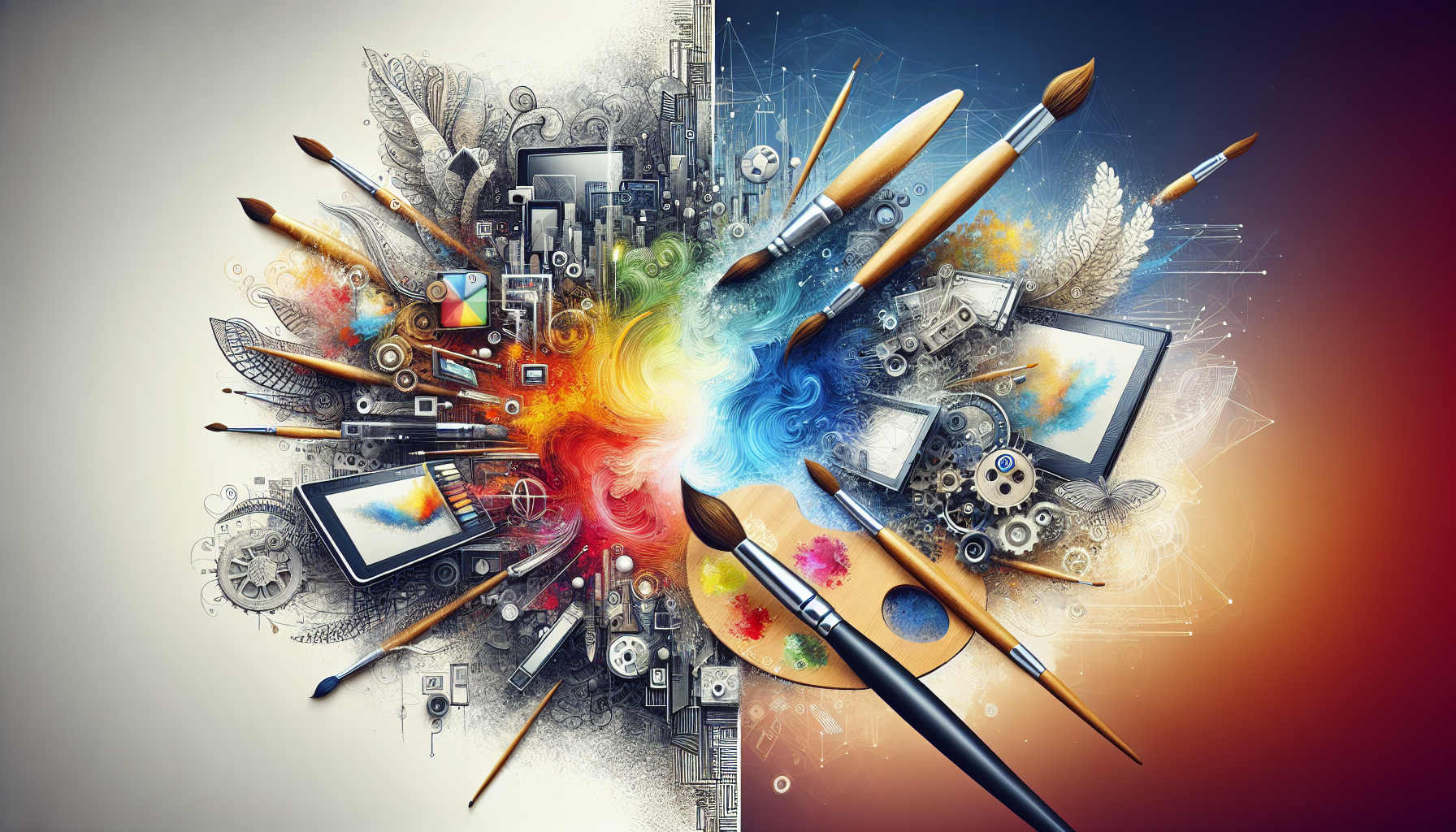
The relationship between art and technology has been a dynamic partnership that has evolved across centuries. From the earliest cave paintings to contemporary digital installations, technology has consistently influenced artistic expression. Early tools like brushes and pigments eventually gave way to photography, film, and now digital art, reflecting a continual adaptation to emerging technologies.
The Birth of Photography and Its Impact on Artistic Expression
Photography emerged in the 19th century as a groundbreaking development in art and technology. Originally considered a mere tool for documentation, it gradually gained recognition as an artistic medium. Pioneers like Henry Fox Talbot and Louis Daguerre developed early photographic processes that challenged traditional artistic norms. The ability to capture reality with precision freed artists from the constraints of realism, paving the way for movements such as Impressionism and Cubism. Photographers began to experiment with light, shadow, and composition, leading to a new artistic language that incorporated the photographic form.
The Influence of Film and Video Art
With the advent of cinema in the 20th century, the intersection of art and technology deepened even further. Filmmakers like Sergei Eisenstein used cutting-edge editing techniques to revolutionize narrative storytelling. The frame itself became a canvas for artistic exploration, allowing directors and cinematographers to play with visual and auditory elements in unprecedented ways.
Video art, which emerged alongside the birth of television, similarly challenged traditional boundaries. Artists like Nam June Paik employed video as a medium for artistic statements, merging technology with performance, creating an entirely new form of expression that resonated with contemporary audiences. This ushered in an era where the line between art and entertainment became increasingly blurred.
The Digital Revolution: Art in the Age of Computers
The late 20th century marked the onset of the digital revolution, dramatically transforming how artists create and share their work. Software tools like Adobe Photoshop and Illustrator have empowered artists to explore digital painting, graphic design, and animation with unprecedented freedom. This shift democratized art-making, allowing anyone with access to technology to become a creator.
advertisement

Digital art gained notoriety with the rise of platforms like DeviantArt and Pinterest, where artists could showcase their work globally. Social media further facilitated this trend, enabling artists to sell their work directly to consumers, bypassing traditional gatekeepers like galleries and museums. This accessibility has fostered a flourishing community of creators and art enthusiasts, redefining the landscape of art consumption.
Interactivity and Immersion in Modern Art
The integration of technology has led to the emergence of interactive art installations. Artists like Rafael Lozano-Hemmer and Olafur Eliasson employ sensors, projections, and interactive interfaces to engage audiences on a multi-sensory level. These installations often invite viewer participation, blurring the boundaries between the observer and the artwork. For instance, Lozano-Hemmer’s “33 Questions per Minute” engages audiences by challenging their language skills in an immersive setting, making the experience not just visual but also intellectual.
Virtual reality (VR) and augmented reality (AR) have taken this interactivity to new heights. Institutions like the Museum of Modern Art (MoMA) and the Tate Modern have embraced these technologies to offer immersive experiences that allow visitors to step into the world of the artwork. By creating simulations or augmenting reality with digital elements, artists can craft narratives that evolve based on users’ movements and decisions.
Artificial Intelligence: A New Collaborator in Creativity
Artificial intelligence (AI) has emerged as a significant force in contemporary art creation. Algorithms can analyze vast amounts of art historical data, generating unique pieces that draw inspiration from established styles or motifs. Projects like “The Next Rembrandt,” which utilized deep learning to create a painting in the style of Rembrandt van Rijn, showcase the exciting potential for AI as a collaborative partner rather than a replacement for human creativity.
However, the relationship between AI and art is complex. Ethical questions arise regarding authorship and originality. If an algorithm produces a painting, who is the true artist—the coder, the machine, or the concept behind the work? These discussions continue to challenge traditional definitions of creativity in the digital age.
Blockchain and the Rise of Digital Ownership
Blockchain technology has revolutionized the art market by enabling the creation of non-fungible tokens (NFTs). These digital certificates of ownership allow artists to authenticate and sell their work securely in the online marketplace. Platforms like OpenSea and Rarible have facilitated a surge in NFT art, granting digital creators unprecedented control over their intellectual property and revenue streams.
The NFT phenomenon has sparked debates within the art community about value and originality in a digital landscape. While some herald NFTs as the future of art ownership, others critique their environmental impact and sustainability, as the energy consumption associated with blockchain transactions raises concerns.
The Role of Social Media in Art Promotion
Social media platforms play an integral role in shaping modern art discourse. Artists leverage platforms like Instagram, TikTok, and Twitter to share their work, attract followers, and engage with audiences directly. The use of hashtags and viral trends has created a new form of visibility for artists, democratizing access to art.
Additionally, social media facilitates knowledge sharing, allowing artists to collaborate and learn from one another. Through platforms like YouTube and TikTok, creators can share tutorials, techniques, and insights into their artistic processes, fostering a sense of community within the art world.
Art Education: Integrating Technology and Creativity
Educational institutions are increasingly recognizing the importance of integrating technology into art curricula. Programs now often emphasize digital literacy alongside traditional mediums, equipping students with the skills necessary to thrive in a technological landscape. Institutions like the Rhode Island School of Design and California Institute of the Arts offer specialized courses in digital media, ensuring emerging artists can navigate contemporary artistic demands.
The incorporation of technology into art education not only enhances students’ technical skills but also encourages interdisciplinary thinking. Collaboration between artists, technologists, and scientists fosters innovative approaches to creativity, inspiring students to explore the limitless possibilities at the intersection of art and technology.
The Future of Art and Technology
As technology continues to advance, the collaboration between art and tech is bound to evolve further. Emerging technologies such as 5G, machine learning, and immersive experiences promise to reshape artistic practices. Artists will likely develop new forms of expression as they respond to developments in artificial intelligence, data visualization, and bioart, where biology and art intersect.
Moreover, as the boundaries between the digital and physical worlds blur, we can anticipate the emergence of hybrid art forms that challenge our understanding of creativity and engagement. Whether through interactive public installations or community-driven digital projects, the essence of art will remain rooted in communication and connection.
In this ever-changing landscape, the examination of how art and technology intersect is more relevant than ever. The inquiry into this relationship not only opens up possibilities for new creative explorations but also encourages critical reflections on the implications of technology in our increasingly digitized lives. As we navigate this intersection, we must consider what it means to be an artist and a consumer of art in an age defined by technological advancement.
advertisement