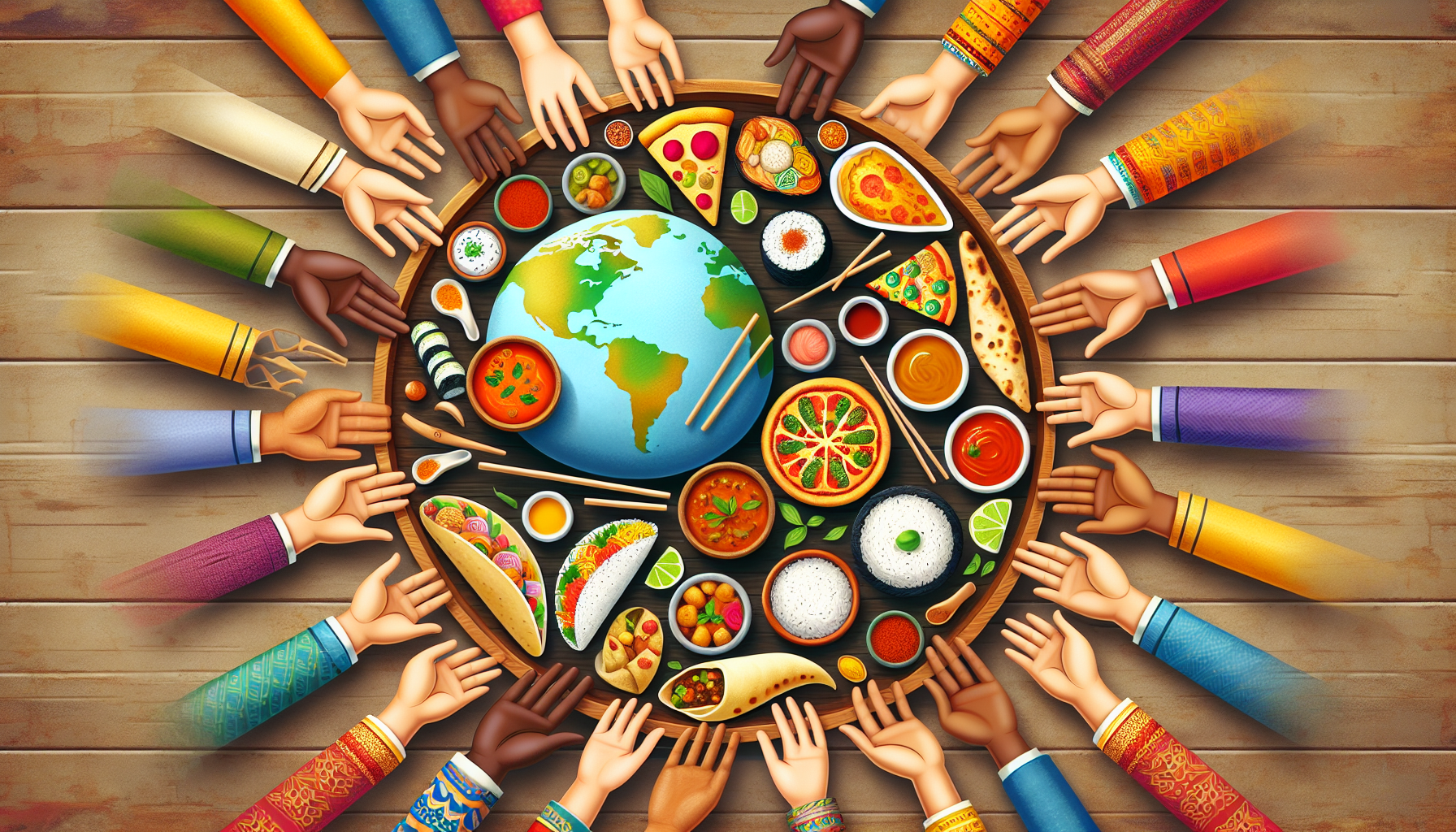
Exploring the Influence of Food on Cultural Identity
The Interplay of Cuisine and Culture
Food is far more than sustenance; it is a profound expression of cultural identity. Each dish tells a story, revealing the history, geography, and traditions that shape a society. This article delves into how food influences cultural identity, illustrating its importance through various global perspectives.
Historical Context of Food and Culture
Historically, the relationship between food and cultural identity can be traced back to ancient civilizations. The agricultural practices of societies like Mesopotamia, Egypt, and China not only shaped diets but also influenced societal structures and rituals. For example, the cultivation of rice in China is not just a dietary staple but a cultural symbol intertwined with various ceremonies and festivals.
Food serves as a reflection of historical events—colonialism, trade routes, and migration have all altered the culinary landscape. The introduction of ingredients through trade, such as the spice trade and the Columbian Exchange, led to unique fusion cuisine, embodying the complexities of cultural interaction. The result is a rich tapestry of flavors that narrate the journey of peoples and their identities over centuries.
Regional Cuisine and Identity
Regional cuisine plays a vital role in expressing cultural identity. In Italy, each region boasts distinct dishes that highlight local ingredients and cooking techniques. For instance, pasta—with its myriad shapes, textures, and sauces—reflects the geography and agriculture of provinces. In contrast, Northern Italy’s risotto utilizes Arborio rice, indicative of the region’s agricultural practices.
Similarly, in India, regional differences are accentuated by local spices, climate, and cultural practices. The vegetarian cuisine of Gujarat contrasts sharply with the meat-based dishes of Punjab. These culinary distinctions foster a sense of pride and belonging among communities, affirming their unique cultural identities.
advertisement

Communal and Family Bonds Through Food
Food acts as a bonding element within families and communities, playing a significant role in social gatherings and rituals. Family recipes passed down through generations create a shared history, reinforcing cultural ties. In many cultures, the act of sharing a meal signifies hospitality and strengthens relationships; this is evident in traditions like the Thanksgiving feast in the United States or the communal dining experience of the Moroccan tagine.
Moreover, food rituals, such as the Jewish Passover Seder or the Chinese Lunar New Year reunion dinner, serve to reinforce community and transmit cultural values. These gatherings not only evoke memories but also instill a sense of identity and continuity, deepening the connection to cultural heritage.
Globalization and the Commodification of Food
Globalization has profoundly impacted food culture, leading to the commodification of traditional cuisines. Fast food chains have emerged worldwide, often overshadowing local offerings. For instance, the proliferation of fast food in countries like Japan and India has sparked debates about cultural preservation. While globalization promotes culinary exchange, it also raises concerns about losing traditional practices and authenticity.
Conversely, globalization has allowed local cuisines to gain visibility on an international scale. The rising popularity of sushi, Indian curry, and Mexican tacos in Western countries exemplifies how food can transcend cultural boundaries. However, this phenomenon can dilute cultural identity, transforming traditional dishes into mere commodities.
Diaspora and Hybrid Identities
The movement of people across borders has created diasporic communities that carry their culinary traditions with them. These communities adapt their gastronomic practices to their new environments, leading to the formation of hybrid cuisines. For instance, the blending of Korean and Mexican ingredients in Korean-Mexican tacos showcases the dynamic nature of cultural identity through food.
Such fusion not only reflects the adaptation of immigrants but also invites cross-cultural dialogue, enriching the culinary landscape. Fusion cuisine acts as a bridge between cultures, allowing individuals to explore and celebrate their diverse identities through food.
Food as a Marker of Ethnicity
Food can serve as a powerful marker of ethnicity, offering individuals a means to connect with their heritage. Specific dishes often symbolize ethnic identity, such as gumbo for Creole culture in Louisiana or banh mi for Vietnamese communities. These foods evoke a sense of pride and belonging, often associated with rituals and celebrations that uphold cultural practices.
Ethnic markets and restaurants serve as cultural touchpoints, fostering community engagement and cultural education. They allow individuals to explore their heritage while sharing it with others. This exchange enhances cultural appreciation and can foster tolerance and understanding among diverse groups.
Religion and Food Practices
Religious beliefs significantly influence culinary practices and dietary restrictions, reinforcing cultural identities. For example, halal practices in Islam dictate how food is prepared and consumed, shaping the culinary landscape of Muslim communities. Similarly, kosher laws in Judaism influence dietary choices, with foods like matzah and challah holding cultural and religious significance.
Festivals and holy days often center around specific food traditions. In Christianity, the fasting during Lent and the feasting during Easter highlight the intersection of food, religion, and identity. These practices not only reinforce beliefs but also provide structured opportunities for community bonding.
The Visual Cultural Representation of Food
The representation of food in art and media also plays a critical role in cultural identity. Food photography, documentaries, and culinary shows often highlight traditional cuisines, presenting them as integral components of cultural heritage. This visual storytelling can elevate the status of traditional foods, fostering appreciation and respect.
Moreover, food-based literature and cookbooks often serve as cultural artifacts, documenting recipes and narratives that embody cultural experiences. Authors like Nadiya Hussain and Yotam Ottolenghi celebrate their multicultural identities through food, bridging gaps between different culinary perspectives.
Conclusion: The Ongoing Narrative of Cultural Identity through Food
As societies continue to evolve, the interplay between food and cultural identity remains dynamic. Culinary traditions adapt to modern influences while preserving their essence, allowing individuals to embrace both heritage and innovation. The journey through the world of food reveals the rich complexity of cultural identities, highlighting the ongoing narrative that shapes who we are.
Through exploration and appreciation of diverse cuisines, individuals not only nourish their bodies but also engage in an ongoing dialogue about cultural identity, belonging, and the shared human experience. Each meal shared, each recipe passed down, forges connections that transcend geographical and cultural boundaries, celebrating the intrinsic role of food in shaping and expressing who we are.
advertisement