The Essence of Memes
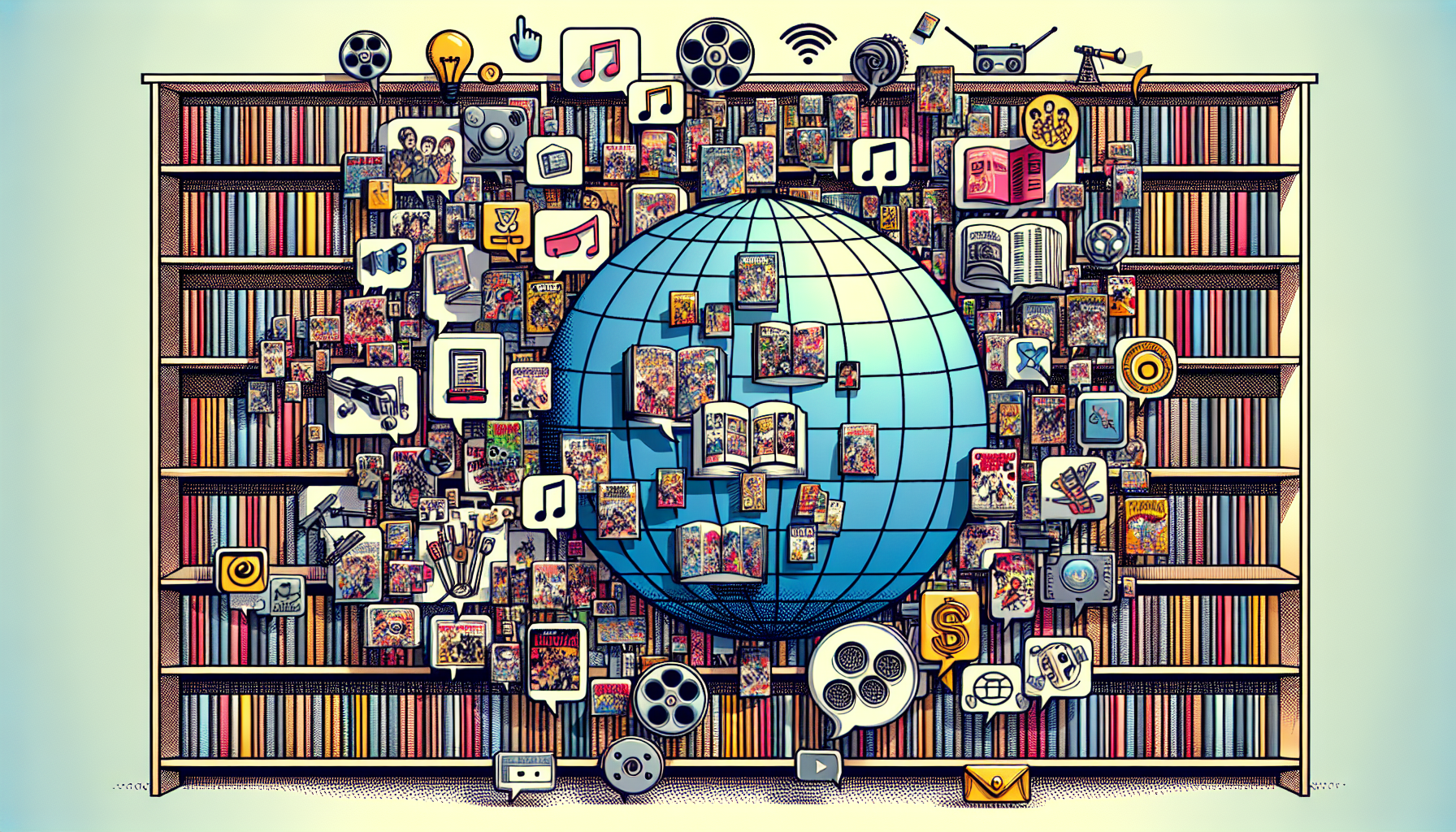
Memes are cultural units that spread through social interactions, evolving over time as they are shared and adapted. In the digital age, memes have transcended their origins in internet forums, becoming integral to online communication and social discourse. They encapsulate humor, commentary, and social critique in a format that’s easily shareable and consumable.
Early Origins of Memes
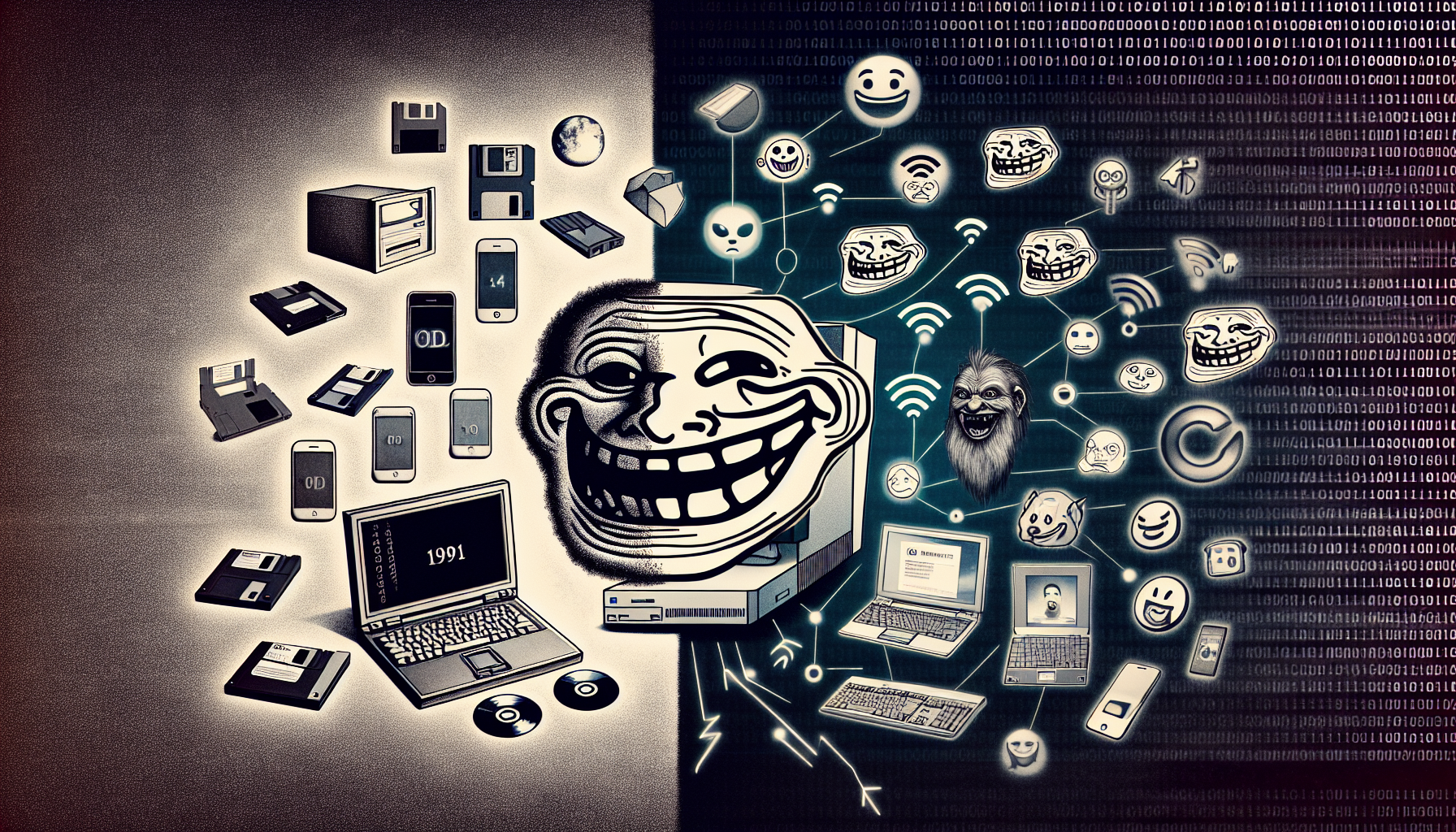
Richard Dawkins introduced the concept of memes in his 1976 book “The Selfish Gene.” He likened memes to genes, suggesting that they spread and evolve through selective reproduction. However, the term has dramatically shifted in meaning over the years, particularly with the advent of the internet. Early examples of internet memes include the dancing baby (1996) and the “All Your Base Are Belong to Us” phenomena (2001), which laid the groundwork for a vibrant meme culture.
The Role of Internet Forums
In the early 2000s, platforms like 4chan and Something Awful provided fertile grounds for meme creation and propagation. These sites fostered a unique subculture characterized by anonymity and a shared understanding of niche humor. Memes such as “Rickrolling” and “Trollface” emerged, encouraging internet users to partake in the rapidly-evolving meme lexicon. The participatory nature of these forums not only democratized meme creation but also shaped their evolution into multifaceted forms.
The Rise of Social Media Platforms
With the growth of social media platforms like Facebook, Twitter, and Instagram, meme culture exploded. These platforms provided users with easy-to-use tools for sharing content, which facilitated rapid dissemination. The virality of memes reached new heights, with a single image or video often garnering millions of shares within hours. In this dynamic environment, we saw the emergence of formats such as image macros, GIFs, and short videos, each serving a specific purpose in conveying humor or commentary.
Image Macros
The image macro format allows text to be layered onto an image, creating humorous combinations that play off the visual context. This format thrives on relatability, whereby users can identify with the emotions conveyed in the image alongside the text. For instance, the “Distracted Boyfriend” meme became a global sensation, easily adaptable to various contexts, making it a staple in meme culture.
advertisement

GIFs and Short Videos
The use of GIFs and short videos (specifically those circulating on platforms like TikTok) has also transformed meme culture. These formats offer a more dynamic way to convey ideas, emotions, and humor. TikTok, in particular, has harnessed the power of trends, enabling users to participate in vast and viral meme challenges that often evolve in real time.
Fandom and Meme Culture
Meme culture has closely intertwined with fandoms over the years. Dedicated fan bases around TV shows, movies, and games often generate memes that resonate within their communities. For instance, “Star Wars” and “Game of Thrones” have inspired countless memes that reflect fan theories and reactions, serving both as celebration and critique of the source material. Memes can amplify communal experiences, providing fans with a shared language and fostering connections between individuals across the globe.
Political Memes
As social media became a platform for political discourse, so too did meme culture adapt accordingly. Political memes have become potent tools for shaping public opinion, offering satirical commentary on current events. Memes surrounding elections, policies, and political figures can disseminate ideas rapidly and effectively, often influencing public perception more than traditional media channels. The 2016 U.S. presidential election starkly highlighted the power of memes, showcasing their role in shaping narratives and mobilizing voters, blurring the line between humor and serious discourse.
The Evolution of Meme Formats
Meme formats have continued to evolve, and new styles emerge based on societal trends and technological advancements. The inherent flexibility of memes allows them to adapt to technological changes. For instance, the use of augmented reality (AR) in social media filters has introduced a new layer of interaction, enabling users to create personalized and immersive meme experiences. These advancements have revolutionized how memes are consumed, offering fresh avenues for creativity and expression.
The Impact of Algorithms
Social media algorithms play a pivotal role in shaping the visibility and longevity of memes. Platforms like TikTok utilize sophisticated algorithms that analyze user behavior, determining which content is likely to be engaging. The “For You Page” on TikTok, for instance, can propel a meme to viral status overnight, allowing creators who may not have a large following to gain significant recognition. However, algorithmic biases can also favor certain types of content over others, perpetuating established trends while leaving emerging styles underexposed.
The Commercialization of Memes
As memes gained traction, brands and businesses began leveraging meme culture for marketing purposes. This commercialization introduced a new layer of complexity, blurring the lines between organic meme creation and corporate strategies. Brands that embraced humor and relatability found success in connecting with younger audiences. However, the appropriation of memes by corporations has sparked discussions around authenticity, originality, and the risks of “selling out” within the meme community.
Ethics and Memes
The ethical considerations surrounding meme culture are multifaceted. Issues such as copyright infringement, misrepresentation, and the potential for harmful content to spread raise important questions about responsibility in digital spaces. As memes can easily distort context or perpetuate stereotypes, there is an increased need for users to critically evaluate the content they share and engage with, to foster a more respectful and conscientious online culture.
The Future of Meme Culture
The evolution of meme culture shows no signs of slowing down. As new technologies emerge, such as the rise of AI-generated content and virtual reality (VR), the landscape of memes will continue to transform. The ways in which audiences engage, adapt, and even create memes will evolve, promising a future replete with creativity and connectivity.
Memes as Cultural Reflection
Memes serve as a mirror to society. They capture the zeitgeist, reflecting collective fears, aspirations, and humor. For instance, during the COVID-19 pandemic, memes became a coping mechanism, allowing individuals to navigate the uncertainty and absurdity of the situation through humor. The ability of memes to distill complex emotions and societal issues into digestible content emphasizes their role as a vital part of contemporary culture.
Conclusion Without Closure
The evolution of meme culture is a compelling narrative of human connection, creativity, and adaptation. As we continue to explore this fascinating digital landscape, we uncover the myriad ways in which memes shape our understanding of the world and the interpersonal relationships within it. Memes will likely remain a significant force in digital culture, evolving alongside advancements in technology and societal changes.
This dynamic interchange between memes and society invites ongoing exploration and engagement, shedding light on the profound influence of digital culture on our lives today. The landscape of memes is constantly morphing, mirroring our collective consciousness and engaging with the complexities of modern society.
advertisement