Exploring the Digital Renaissance: How Technology Shapes Modern Culture
The Birth of the Digital Renaissance
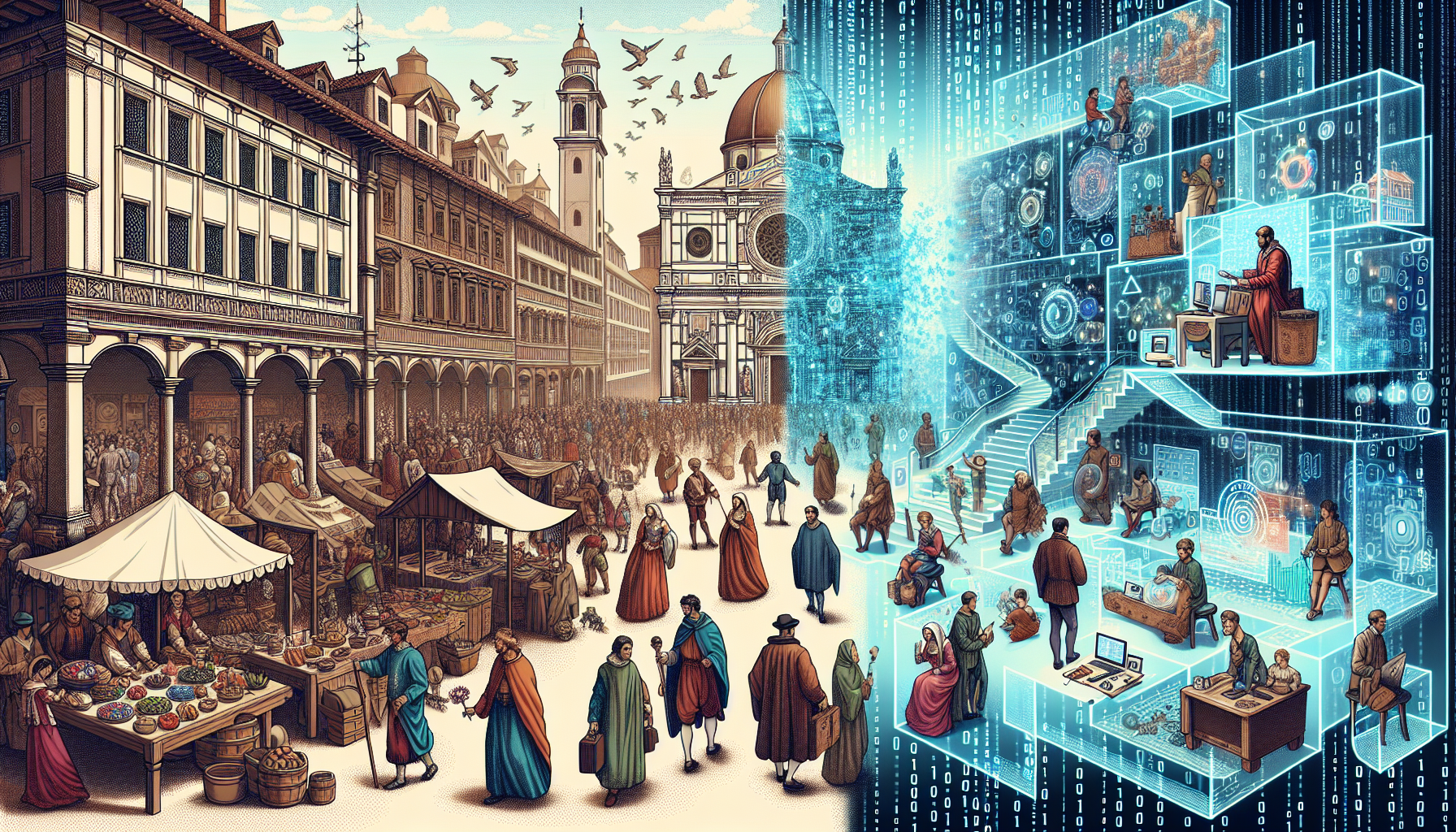
The term “Digital Renaissance” encapsulates a transformative period where technology significantly influences culture, art, communication, and society. This renaissance is characterized by innovative advancements in digital technologies, which include the internet, social media, and artificial intelligence (AI). As a result, we see a rejuvenation in the way humans interact with one another and how cultural products are created, disseminated, and consumed.
1. The Role of the Internet
The widespread availability of the internet forms the backbone of the Digital Renaissance. Historically, cultural development relied upon physical means of communication and distribution. Today, the internet enables instant access to vast repositories of information, art, and ideas, driving cultural exchange.
1.1 Globalization of Ideas
With the click of a button, individuals can interact with art forms, languages, and customs worldwide. This unprecedented accessibility leads to a globalization of ideas, empowering artists and creators to blend diverse influences into their work. For instance, genres like K-pop and Afrobeat have gained international traction, illustrating the cross-pollination of global cultural elements.
1.2 Crowdsourced Creativity
Platforms like YouTube, TikTok, and Instagram let artists generate content and reach audiences without traditional gatekeepers. Such platforms encourage user participation and collaboration, leading to the emergence of participatory culture, where fans become contributors. This democratization of creation reshapes cultural landscapes.
2. The Influence of Social Media
Social media platforms act as catalysts for change in cultural dynamics, affecting everything from language to societal norms.
advertisement

2.1 Language Evolution
Social media fosters the rapid evolution of language, introducing slang, abbreviations, and memes that pervade communication. The rise of platforms like Twitter, which limits character counts, has led to creative linguistic shortcuts that influence everyday speech.
2.2 Shifting Cultural Norms
Platforms enable discussions around critical issues such as feminism, climate change, and mental health, creating new cultural narratives. Campaigns like #MeToo and Black Lives Matter gained momentum from social media, showcasing technology’s power in advocating for social justice.
3. AI and Cultural Production
Artificial intelligence is revolutionizing artistic production, impacting how creative works are conceived and executed.
3.1 Generative Art
AI tools like DeepArt and DALL-E allow artists to create unique works by merging their concepts with AI capabilities. This generative art challenges traditional notions of authorship and creativity, posing questions about the role of human agency in artistic processes.
3.2 Personalized Content
AI-driven algorithms curate content based on individual user preferences, impacting what art forms and ideas gain visibility. Streaming platforms like Spotify and Netflix utilize AI to recommend music and films, shaping cultural consumption patterns. This personalization fosters niche communities while also reinforcing echo chambers, wherein users may only engage with ideas that align with their existing beliefs.
4. Virtual Reality and Augmented Reality
Emerging technologies such as virtual reality (VR) and augmented reality (AR) are pushing the boundaries of cultural experience.
4.1 Immersive Art Experiences
Museums and galleries are incorporating VR and AR to provide immersive experiences. For instance, the use of AR in exhibitions enables visitors to view additional layers of information, enhancing their understanding and engagement with the art. An example is the “Van Gogh: The Immersive Experience,” attracting audiences through its interactive digital presentations.
4.2 New Forms of Entertainment
In the gaming industry, VR technologies enable players to experience narratives in profoundly immersive ways, blurring the line between reality and fiction. Title releases like “Beat Saber” and “Half-Life: Alyx” demonstrate this revolutionary change in experiential storytelling.
5. Cultural Identity and Technology
As digital technologies reshape cultural experiences, they also influence personal and collective identities.
5.1 Formation of Online Communities
Online platforms allow individuals to form communities based on shared interests, backgrounds, or aspirations. This digital networking fosters a sense of belonging among users who may feel isolated in their physical environments. For marginalized groups, these platforms can provide vital spaces for expression and support.
5.2 Challenges of Identity Representation
The complexity of digital identities must also be acknowledged. Social media allows for curated representations of self, often portraying an idealized version of life. This phenomenon can lead to issues regarding self-esteem and authenticity, as individuals perpetually compare themselves to others’ highlights.
6. The Impact on Education
Technology has transformed educational paradigms, enriching cultural understanding and access to knowledge.
6.1 Online Learning Platforms
MOOCs (Massive Open Online Courses) by companies and universities provide educational resources to anyone with internet access. These platforms democratize learning, enabling individuals to explore cultural studies, linguistics, and art history that were previously confined to traditional educational settings.
6.2 Collaborative Learning Environments
Digital tools promote collaborative learning, encouraging students to engage in discussions across geographical boundaries. Platforms like Google Classroom facilitate group projects and interactive discussions, fostering a shared cultural learning experience.
7. Preservation of Culture
In the wake of the Digital Renaissance, technology plays a crucial role in preserving cultural heritage.
7.1 Digital Archives and Libraries
Digital archiving initiatives allow for the preservation of cultural artifacts, historical documents, and artistic works. Projects like Europeana and the Digital Public Library of America digitize important works, making them accessible to scholars and the general public.
7.2 Virtual Heritage Sites
Digital reconstructions of historical landmarks allow people to explore cultural heritage sites that might otherwise be inaccessible due to geographical or financial constraints. This increased accessibility fosters a greater appreciation for diverse cultural histories.
8. The Economy of Culture
The Digital Renaissance influences the cultural economy, reshaping artistic markets and the experiences of consumers.
8.1 Monetization of Creative Work
Digital platforms offer new monetization strategies for artists. Crowdfunding, merchandise sales through apps, and direct-to-consumer sales have changed the financial landscape for creators. Patreon is an excellent example, allowing artists to secure income directly from their fans.
8.2 The Gig Economy
The rise of gig platforms has led to a shift in traditional employment norms. Artists and cultural workers increasingly turn to freelance or gig-based work, embracing flexibility while also facing instability and insecurity in their income.
9. The Future of the Digital Renaissance
As technology continually evolves, predicting the future of cultural dynamics poses challenges but also presents opportunities for innovation, creativity, and expression.
9.1 Ethical Considerations
The integration of AI and algorithms in culture raises ethical questions concerning bias, representation, and the commodification of art. As society becomes increasingly reliant on technology, addressing these issues will be crucial in shaping a more equitable cultural landscape.
9.2 Sustainability in Culture
Future cultural developments also demand a focus on sustainability. As industries adapt to digital methods of production and distribution, there should be an emphasis on minimizing environmental impacts, from digital waste to the carbon footprint of data centers.
10. Conclusion
The Digital Renaissance marks an exciting time in human history where cultural and technological evolutions intermingle seamlessly. Technology facilitates new forms of artistic expression, communication, and cultural exchange, drastically altering the fabric of modern culture. As we navigate this transformative period, it is vital to embrace the innovations while being mindful of the challenges that accompany such rapid change. The interplay between technology and culture will continue to evolve, ushering in new paradigms that redefine the human experience for generations to come.
advertisement