Digital Artistry: The New Frontier of Creative Expression
Understanding Digital Artistry
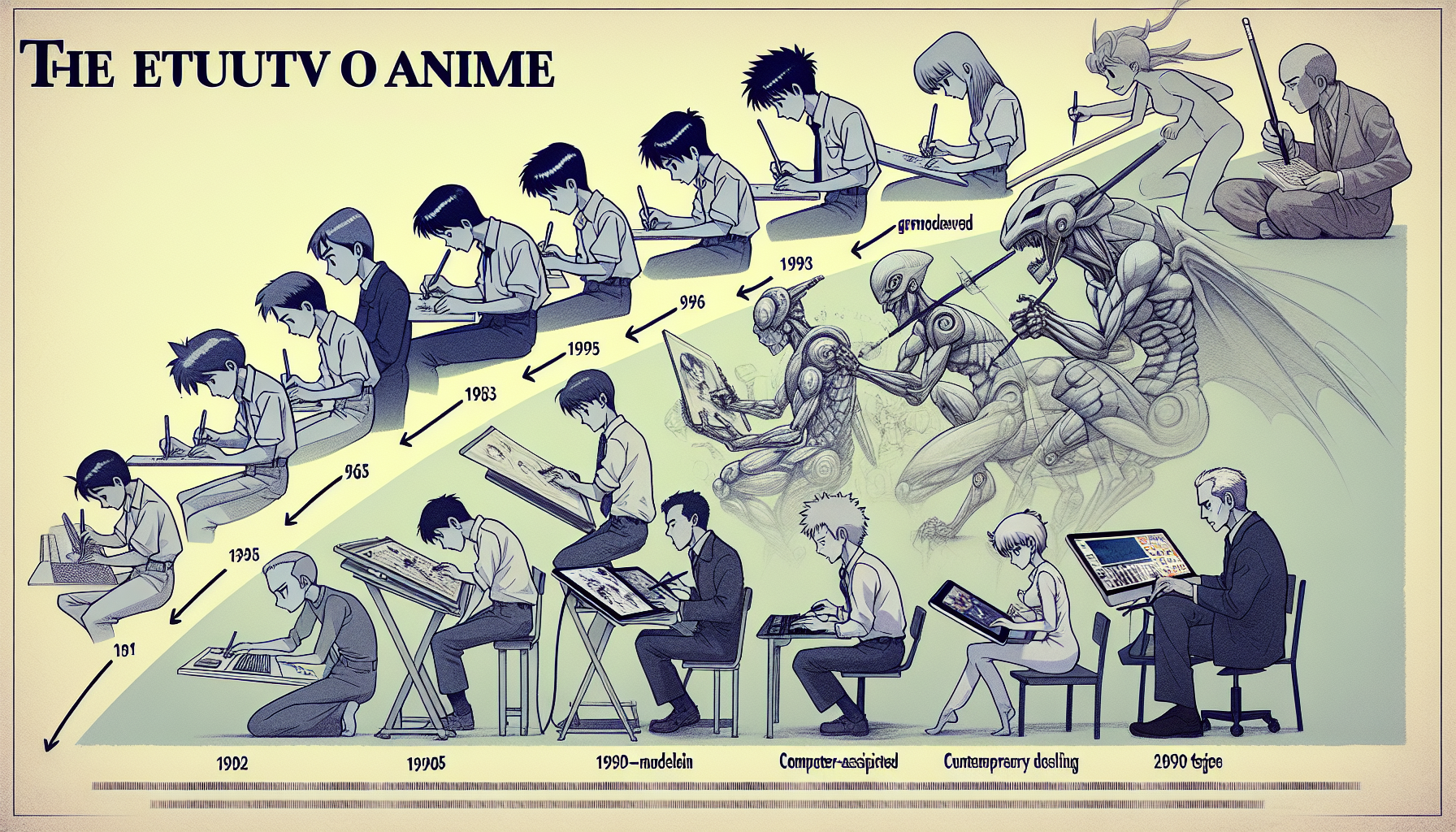
Digital artistry has emerged as a transformative force that significantly influences contemporary art forms and creative expressions. It encompasses various practices, including digital painting, illustration, 3D modeling, animation, and digital photography. The artist employs technological tools, such as graphic tablets, software, and algorithms, to create works that often defy traditional definitions of art. One of the core aspects of digital artistry is its accessibility; it democratizes the art-making process, allowing more individuals to engage in creative pursuits.
The Tools of Digital Artistry
Digital art begins with an arsenal of tools. Most artists today utilize a combination of software and hardware to produce their works. Popular graphic design software includes Adobe Photoshop, Corel Painter, and Clip Studio Paint. On the 3D modeling side, applications like Blender, Autodesk Maya, and Cinema 4D have facilitated complex creations that blend art and technology seamlessly.
advertisement

Hardware also plays a crucial role. Graphic tablets, such as those from Wacom and Huion, enable artists to draw directly onto a digital canvas. High-resolution displays and powerful computers run software smoothly, facilitating intricate work that pushes the bounds of creativity. Furthermore, virtual reality (VR) and augmented reality (AR) technologies offer innovative avenues for immersive art experiences. Artists can create 3D environments that invite audiences into their imaginative worlds.
The Genre Variety in Digital Art
Digital artistry is multifaceted, branching into numerous genres. Digital paintings mimic traditional styles but allow artists endless possibilities of color manipulation and layering techniques. Concept art, particularly in video games and films, often originates digitally, providing a visual brainstorming medium for creators.
Character design, environment art, and UI/UX design are critical facets of digital artistry, especially within entertainment industries. Illustrations for books and comics are also increasingly produced digitally, allowing for rapid iterations and revisions that improve the final product. As art communities online flourish, artists experiment with styles such as pixel art and glitch art, creating recognizable subcultural aesthetics.
Artistic Collaboration and Community
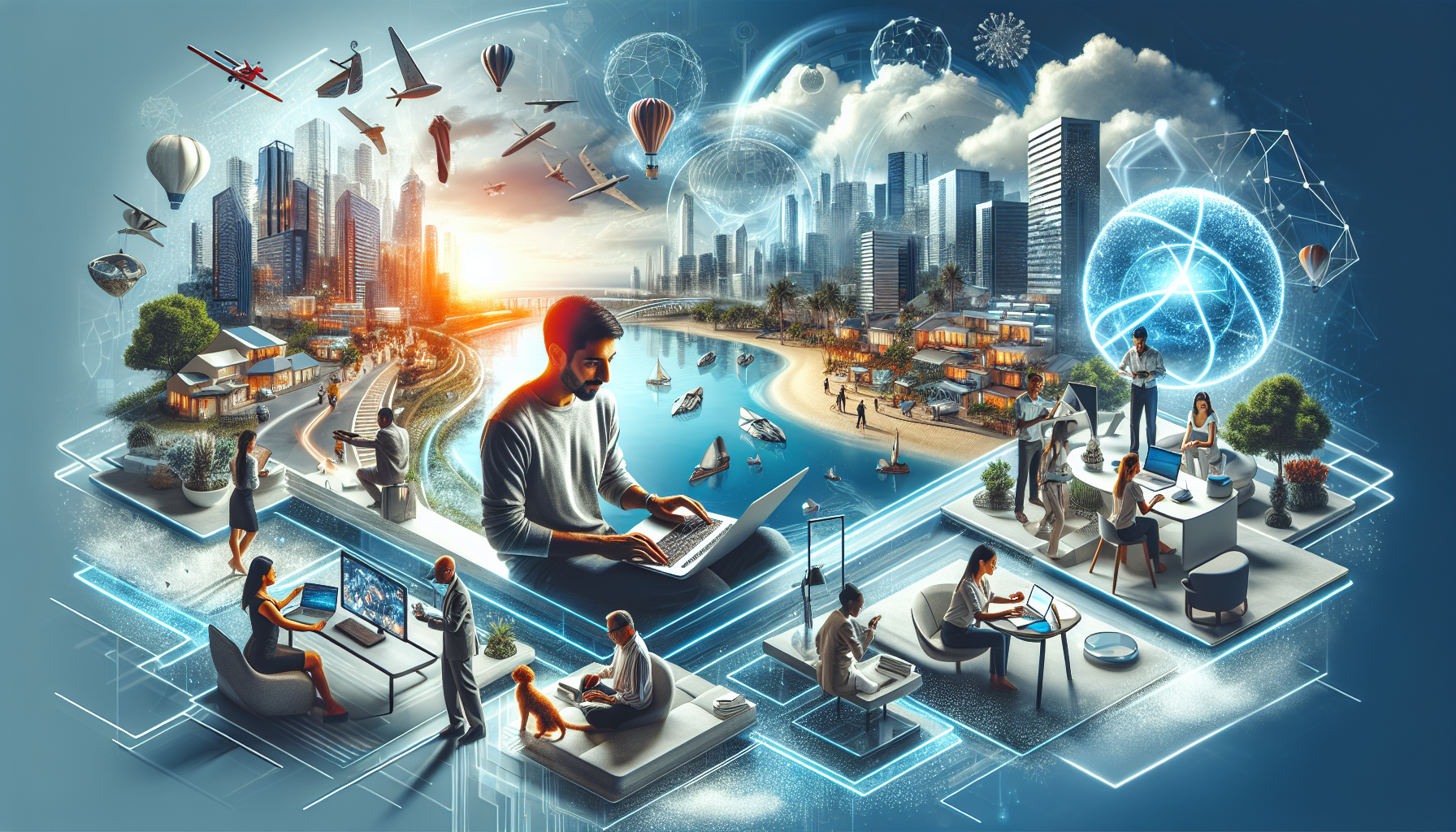
Digital platforms foster a sense of community among artists. Websites like DeviantArt, ArtStation, and Behance provide online galleries for artists to showcase their work and receive feedback. Social media platforms like Instagram and TikTok have also transformed how artists promote their work, engage with their audience, and collaborate with their peers.
Art collectives often form in these digital spaces, leading to collaborative projects that bring diverse visions to life. Bountiful collaboration possibilities amplify creativity, as artists share techniques and insights, culminating in vibrant, multifaceted projects that showcase a range of artistic voices.
The Impact of Technology on Artistic Expression
Technology’s role in art is multifaceted and can induce substantial shifts in artistic practices. For instance, AI-generated art has opened new dialogues about the nature of creativity. Programs like DALL-E and Midjourney can create stunning visuals from textual prompts, challenging conventional norms about authorship and creative contribution.
While some artists embrace AI as a tool for creative exploration, others raise ethical concerns regarding originality and ownership. This ongoing debate reflects a larger conversation about the implications of technology on art. Digital artists must navigate a landscape where tools can facilitate or overshadow the artist’s unique style and intent.
Marketing and Selling Digital Art
As digital artistry becomes more mainstream, mechanisms for monetizing artwork have evolved. Artists can market their work directly to consumers through platforms like Etsy, Printful, and Redbubble, allowing them to sell prints, merchandise, and digital downloads. The emergence of NFTs (non-fungible tokens) has further revolutionized how digital artists sell their work, enabling unique ownership models that place digital pieces in the realm of collectability.
However, with these opportunities come challenges. Artists must adeptly navigate the online market, understand pricing strategies, and invest time in building a personal brand. Social media marketing plays a pivotal role in this journey; consistent engagement and showcasing work can create a loyal following and drive sales.
Pushing Creative Boundaries with Augmented Reality (AR) and Virtual Reality (VR)
Current advancements in AR and VR technologies are pushing the boundaries of what digital art can be. Artists can create immersive experiences that allow viewers to interact with art in real time. For instance, exhibitions using AR enable viewers to overlay digital enhancements on physical artworks through their smartphones, deepening their engagement with the material.
VR art experiences allow viewers to step into entirely new worlds where they can interact with the artist’s vision on a personal level. Platforms like Oculus Medium empower artists to sculpt in a virtual space, broadening the creative toolkit available to them and eliminating the boundaries of traditional canvas and materials.
Educational Resources and Skill Development
The rise of digital artistry has equally led to an explosion of educational resources. Online platforms like Skillshare, Udemy, and Coursera offer courses in various software programs and techniques, enabling amateurs to gain skills quickly. YouTube has become a treasure trove of tutorials, where both new and seasoned artists can learn and refine their craft.
Additionally, numerous blogs, podcasts, and online forums provide insights into the latest trends and best practices in the digital art realm. Artist workshops and webinars hosted by experienced professionals are instrumental in preparing emerging artists to stand out in a competitive field.
Sustainability in Digital Art
Sustainability has become a crucial consideration in all creative fields, including digital artistry. The medium allows artists to limit physical waste, as everything from sketches to final pieces can exist entirely in digital form. Digital showcases eliminate the need for physical tools, minimizing material impact on the environment.
Moreover, virtual exhibitions and online marketplaces reduce carbon footprints by eliminating the need for transportation and physical attendance. Sustainability in digital artistry prompts artists to consider the impact of their choices, from promoting eco-friendly practices within their creative processes to advocating and participating in initiatives aimed at reducing the art world’s environmental effects.
The Future of Digital Artistry
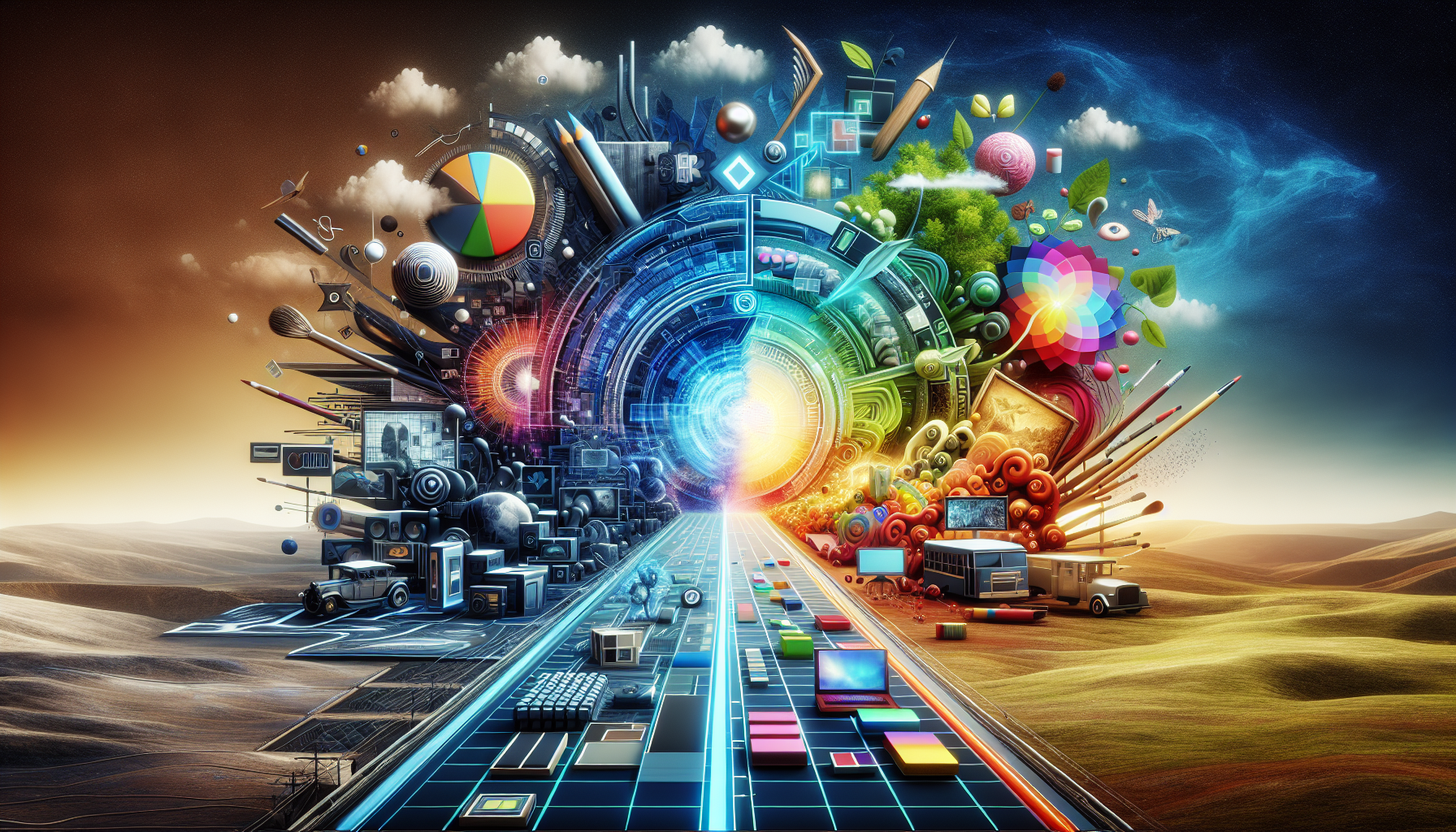
The future of digital artistry is boundless, driven by continuous technological innovation and artistic exploration. As artists experiment with integration techniques involving AI, AR, and VR, the definition of art itself may evolve significantly. Emerging technologies will likely give rise to new genres and methodologies, inviting even broader participation in the digital art space.
Art institutions and audiences must adapt to these shifts, recalibrating established frameworks of appreciation and critique that have traditionally governed art assessment. The fusion of technology and creativity is expected to amplify diversity in artistic expression and open up new channels for interactions with art.
Embracing a New Age of Creative Expression
The digital artistry movement symbolizes a significant shift in creative expression, one that merges technology and originality. As artists harness the power of digital mediums and communities to explore new terrains of creativity, they not only redefine what it means to be an artist but also encourage audiences to engage with art on their terms.
Digital artistry stands at the brink of revolutionizing how art is conceptualized, perceived, and valued, challenging both artists and audiences to imagine possibilities beyond current paradigms. In this new frontier of creative expression, the only limit is the artist’s imagination, offering a vast landscape for exploration and innovation in the years to come.
advertisement