Cultural Resilience in Times of Change
Understanding Cultural Resilience
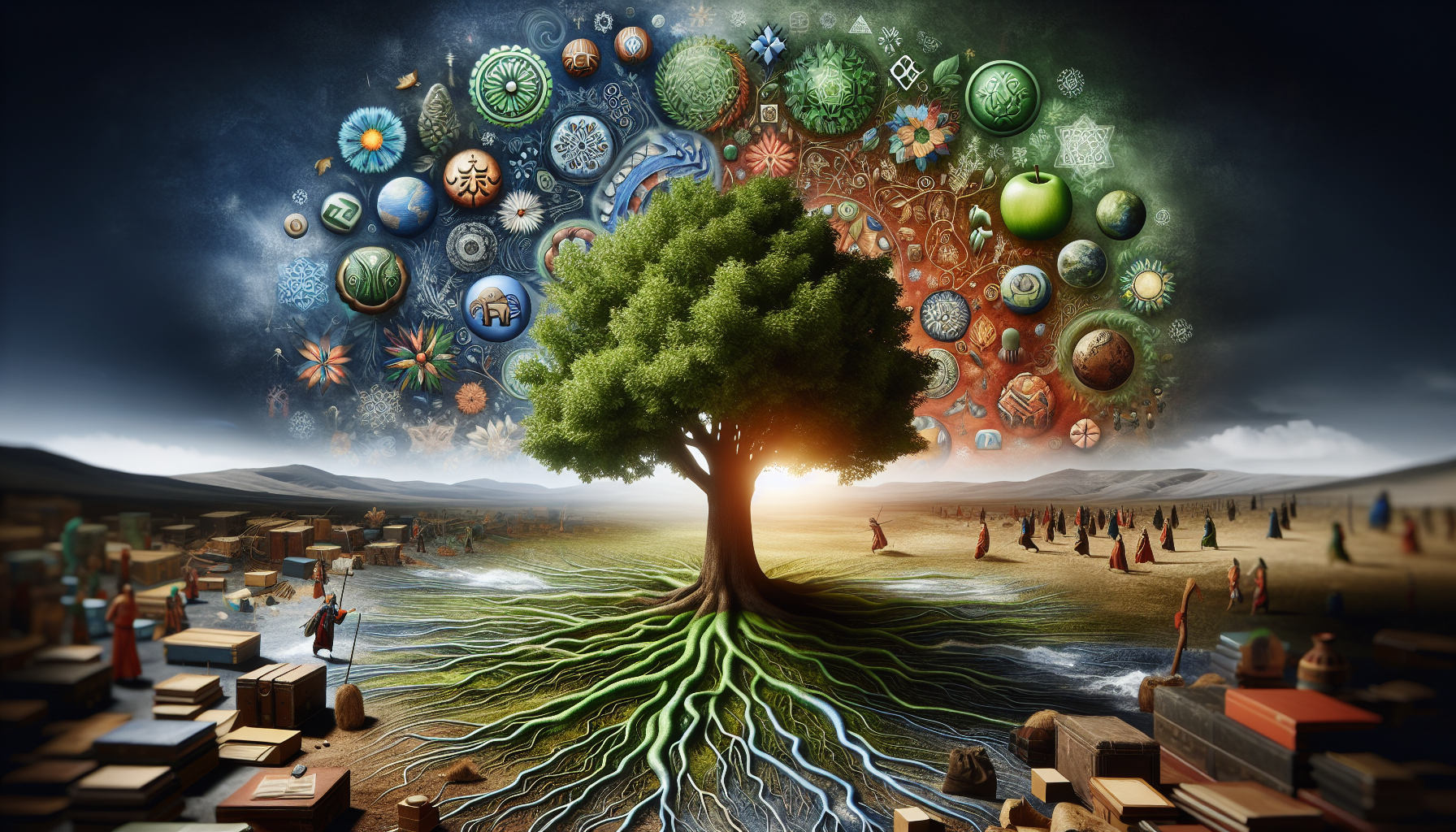
Cultural resilience refers to the ability of a community to adapt and thrive amidst socio-economic, political, and environmental changes while maintaining its core values, traditions, and identity. In a rapidly evolving world, understanding cultural resilience becomes crucial for preserving heritage while fostering progress.
The Foundations of Cultural Resilience
1. Historical Context
Every culture is shaped by its history, which provides a foundation for resilience. Historical narratives, including the stories of struggle and triumph, equip communities to confront contemporary challenges. For example, Indigenous cultures have faced colonization yet continue to assert their identities through storytelling, traditional practices, and ceremonial gatherings.
2. Language as a Cultural Pillar
Language serves not only as a communication tool but also as a vessel for cultural identity. Linguistic diversity underpins cultural resilience by maintaining traditions and facilitating intergenerational knowledge transfer. Communities with active language preservation initiatives, such as the revitalization of endangered languages, illustrate this dynamic. For instance, the Māori language in New Zealand has seen a resurgence through educational programs and media, reinforcing cultural identity.
Challenges to Cultural Resilience
1. Globalization
Globalization presents significant challenges to cultural resilience. The widespread adoption of a single narrative tends to overshadow local cultures. For instance, the homogenization of cultural products can lead to the erosion of local traditions. However, many communities leverage globalization to share and promote their unique cultural identities via social media, virtual platforms, and online marketplaces.
advertisement

2. Environmental Changes
Climate change poses a severe threat to cultural practices closely tied to the environment. Coastal communities face challenges from rising sea levels, while agricultural societies grapple with changing patterns of weather. Nonetheless, adaptive strategies, like the cultivation of resilient crops or the reformation of traditional ecological practices, exhibit how culture can adapt to environmental shifts.
Case Studies in Cultural Resilience
1. The Inuit of Canada
The Inuit people embody cultural resilience through their continuous adaptation to climate change. Traditional hunting practices have evolved, incorporating modern tools and social practices while maintaining cultural significance. Collaborative efforts with scientists to monitor changing ecosystems demonstrate a blend of traditional knowledge and modern science, fostering resilience against environmental change.
2. The Sami Culture in Scandinavia
The Sami people, indigenous to Northern Europe, have navigated centuries of oppression while safeguarding their cultural traditions. The revival of reindeer herding, traditional crafts, and education in Sami languages highlights their resistance to assimilation. Festivals celebrating Sami culture and their integration into the broader societal fabric showcase resilience through celebration and recognition.
Strategies for Promoting Cultural Resilience
1. Education and Cultural Transmission
Education plays a vital role in promoting cultural resilience. Incorporating cultural studies in educational curricula fosters appreciation and understanding of diverse heritages. Programs that teach skills and practices related to traditional crafts, storytelling, and local histories encourage cultural fluency among younger generations, ensuring that traditions endure.
2. Community Engagement
Active community engagement strengthens cultural networks, promoting resilience. Cultural festivals, art exhibitions, and community forums create safe spaces for sharing and celebrating heritage. These interactions reinforce the social fabric, allowing communities to showcase their resilience while building alliances with other cultural groups.
3. Policy and Institutional Support
Government policies that recognize and protect cultural heritage are crucial for promoting resilience. Legal frameworks that safeguard indigenous rights, support cultural education, and fund preservation initiatives demonstrate a commitment to sustaining cultural diversity. For example, UNESCO’s recognition of intangible cultural heritage encourages nations to prioritize their unique cultural practices.
The Role of Technology in Cultural Resilience
1. Digital Archiving
Digital archiving has transformed the preservation of cultural practices. Online databases, virtual museums, and digital storytelling platforms enable communities to document and disseminate their traditions globally. For instance, the use of social media allows artists and cultural practitioners to reach wider audiences, challenging the notion of cultural isolation.
2. Virtual Communities
The rise of virtual communities fosters connections among individuals sharing similar cultural backgrounds. Online forums, social media groups, and collaborative projects help maintain cultural ties, especially among diaspora populations. Through these platforms, individuals share traditions, innovate practices, and support one another, thus enhancing communal resilience.
Cultural Resilience through Innovation
1. Blending Tradition with Modernity
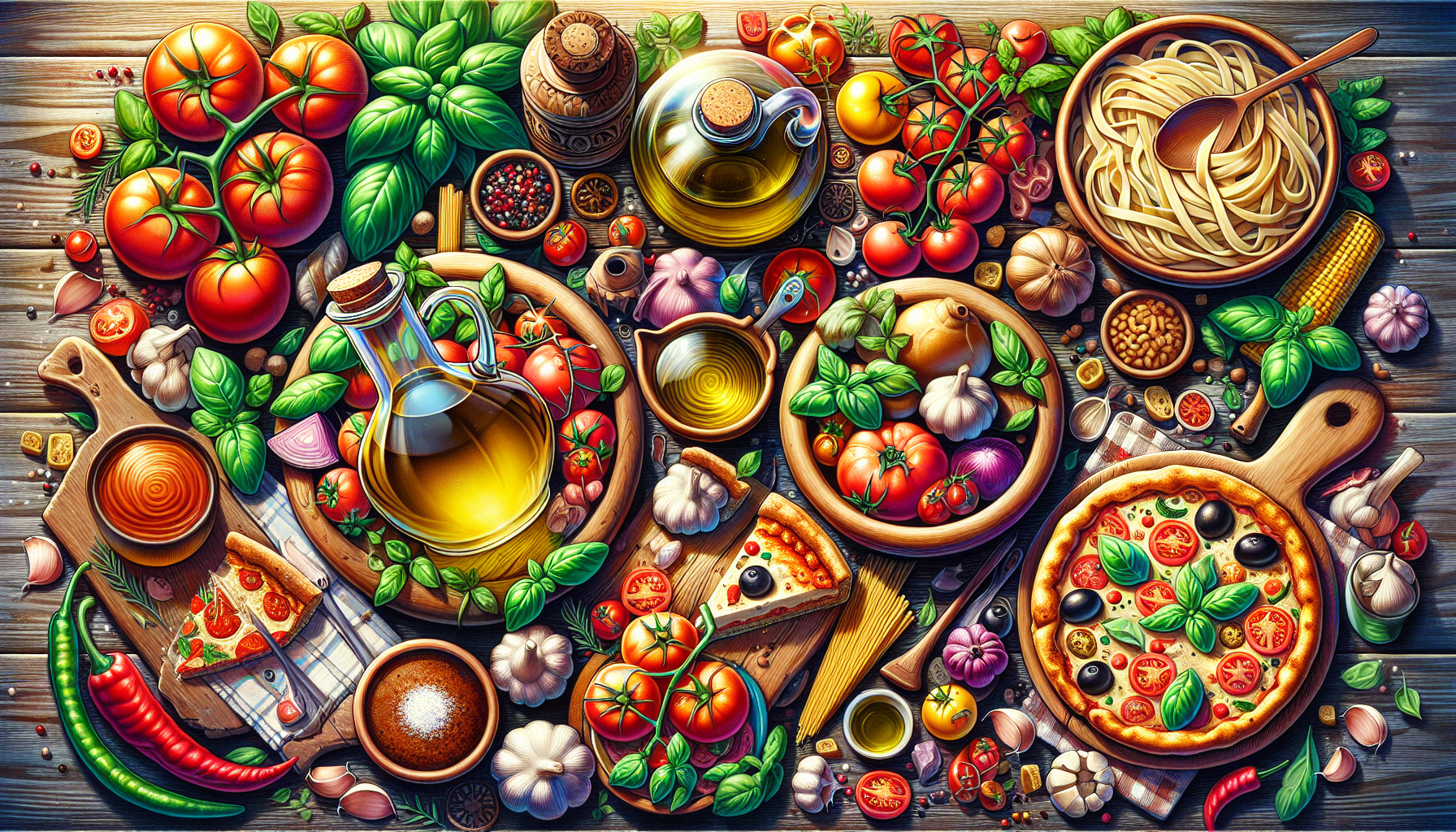
Many communities demonstrate cultural resilience by integrating traditional practices with contemporary values. Culinary practices, for instance, often fuse traditional ingredients with modern cooking techniques, ensuring cultural continuity while appealing to new tastes. This innovation keeps cultural practices relevant and cherished by diverse generations.
2. Art and Expression
Art serves as a powerful medium for cultural expression and resilience. Artists draw from traditional influences to create contemporary works that resonate with modern audiences. Through visual arts, music, and performance, cultural narratives are explored and redefined, ensuring their relevance in a rapidly changing society.
Global Perspective on Cultural Resilience
1. The UN and Cultural Diversity
The United Nations recognizes cultural diversity as integral to sustainable development. Initiatives that promote cultural dialogue and global collaboration foster resilience by celebrating difference. Through conferences and partnerships, nations can exchange strategies and resources, facilitating the robust preservation of cultures worldwide.
2. Enhancing Global Solidarity
Global societal movements advocating for the rights of marginalized communities highlight the importance of solidarity in cultural resilience. By supporting one another, diverse groups can amplify calls for preservation and recognition of cultural rights, effectively promoting resilience on a larger scale.
The Future of Cultural Resilience
In an era of rapid change, the prospects for cultural resilience hinge on collaboration, innovation, and continued engagement with both tradition and modernity. The adaptive capacity of diverse cultures in navigating change reflects a broader narrative of human resilience. Whether through community initiatives, technological advancements, or policy support, fostering cultural resilience is essential in preserving our diverse cultural heritage for future generations. As the landscape of society continues to evolve, the interplay between cultural identity, adaptation, and resilience will play a crucial role in defining community dynamics and narratives of belonging.
References and Further Reading
-
Benham, C. A., & Benham, E. (2022). Indigenous Knowledge Systems and Cultural Resilience: Case Studies Worldwide.
-
Smith, J. (2021). Heritage and Resilience: The Role of Traditional Practices in Modern Times. Journal of Cultural Studies.
-
United Nations Educational, Scientific and Cultural Organization (UNESCO). (2023). The State of Cultural Heritage and Sustainable Development.
-
Nettle, D., & Romaine, S. (2020). Vanishing Voices: The Extinction of the World’s Languages.
-
Pulla, V. (2019). Aboriginal Cultural Resilience: Examples from Australia and Canada. International Journal of Indigenous Health.
-
Williams, S. (2023). Cultural Tourism and Community Engagement: A Framework for Resilience. Journal of Tourism Research.
-
Clarke, L. (2022). Digital Arts: Fostering Cultural Identity in Contemporary Society. Art & Culture Review.
By seeking innovative avenues for expression and fostering meaningful engagement, cultural resilience will continue to thrive amid change, ensuring that our collective identities remain vibrant and enduring.
advertisement