The Rise of Women in Esports: Breaking Barriers
The Landscape of Esports
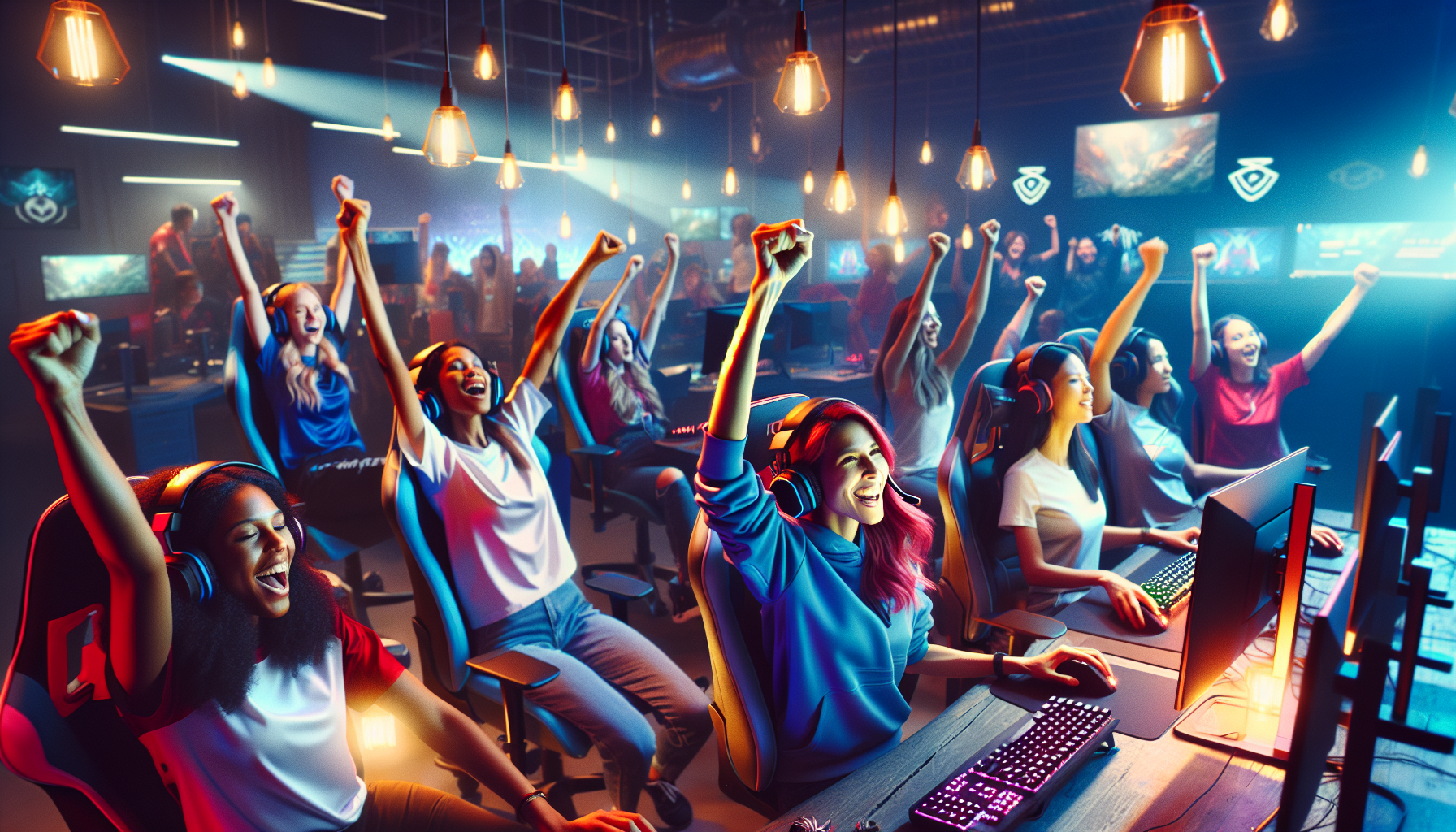
The esports industry has experienced exponential growth over the past decade, with millions of players and spectators worldwide. This burgeoning phenomenon encompasses competitive gaming across various genres, from first-person shooters (FPS) to multiplayer online battle arenas (MOBAs). Historically male-dominated, the esports scene has started to evolve, with an increasing number of female players, streamers, and industry professionals making their mark. This article delves into the multi-faceted journey of women in esports, exploring their challenges, triumphs, and the future of gender representation in this dynamic field.
Historical Context
While gaming itself has a rich history involving both genders, the competitive scene has often been dominated by male figures. Titles like “Counter-Strike” and “League of Legends” were largely male-centric in their early years. However, organizations like the Women’s Gaming Association (WGA) and initiatives from companies such as Riot Games have sought to level the playing field. By creating women-specific tournaments and programs, these organizations have fostered a thriving environment for female gamers.
Pioneering Women in Esports
Throughout the years, several women have paved the way, breaking stereotypes and challenging the status quo. Players like Kelsey “TSM Kelsey Moser” Moser and Sarah “Sarah” McHugh have not only participated in high-stakes tournaments but have also contributed to the visibility of women in esports. Their accomplishments inspire a new generation of female gamers, encouraging them to pursue competitive gaming despite the challenges.
Barriers to Entry
Despite strides being made, women in esports and gaming face substantial barriers. Culture within gaming communities can often be exclusionary, fostering environments rife with sexism and misogyny. Reports highlight that female gamers frequently encounter harassment and discrimination, both in online spaces and at live events. This challenging landscape can deter potential female players from pursuing competitive gaming as a viable career.
Additionally, the lack of representation in professional teams can create cycles of exclusion. When a player does not see women on stage or in key roles, it can lead to feelings of isolation and underrepresentation. This manifests not only in player roles but also in broadcasting and management positions within the industry. Addressing these systemic issues is essential for fostering an inclusive environment.
advertisement

Changing Narratives: Social Media and Streaming
The rise of platforms like Twitch and YouTube has revolutionized how gamers interact and build communities. Female streamers such as Pokimane, Valkyrae, and Ninja’s former partner, Loserfruit, have carved out substantial fanbases, showcasing their gaming skills while breaking stereotypes. These influencers have leveraged their platforms not only to share gameplay but also to advocate for women in gaming, lending their voices to the ongoing conversations about representation.
Through social media, female gamers can share their experiences and promote a culture of inclusivity. Advocacy campaigns, like #WomenInEsports, have gained traction, spotlighting the contributions of women and the need for more opportunities. By participating in discussions about sexism and harassment, these personalities contribute to a shift in public perception, reinforcing the idea that gaming is for everyone.
The Role of Competitive Organizations
Various esports organizations have recognized the importance of diversity and inclusion. Major companies like Activision Blizzard and Riot Games have introduced initiatives aimed at increasing female participation in their games. Programs such as “Women in Games” offer mentorship and support while providing scholarships for aspiring female professionals.
Furthermore, many teams are now actively recruiting female players, motivated not only by a desire for diversity but also by the realization that mixed-gender teams can be highly competitive. Organizations have begun to recognize that fostering an inclusive culture aligns with business performance and market demands.
Tournaments and Leagues: A Step Forward
Women’s leagues and tournaments have formed, allowing female players to showcase their skills in competitive formats. For instance, initiatives like the “Women’s Esports League” and “All-Female League of Legends Tournament” provide a platform specific to female gamers. These competitions offer recognition, financial support, and exposure to professional scenes, emphasizing women’s talent and competitiveness.
High-profile events such as the Intel Challenge and the DreamHack Women’s Masters have gained attention, attracting audiences and sponsors alike. This visibility provides female players with opportunities to earn recognition and build careers in esports.
Representation in Game Development
An essential avenue in supporting women in esports is representation in game development. The creation of games requires diverse perspectives to resonate with a broader audience. Increasing female representation in development teams can lead to more inclusive gameplay mechanics, narratives, and character designs. Companies like Ubisoft and Electronic Arts have launched initiatives focusing on gender diversity within their teams, resulting in games that appeal to a wider audience.
Sponsorship and Financial Opportunities
The financial aspect of esports is rapidly evolving, particularly with an increase in female participation. Sponsorships that focus on female gamers are becoming more prevalent, with brands recognizing the importance of tapping into this growing market. Companies like Intel and Monster Energy have been instrumental in sponsoring women-centric events, further integrating women into the esports ecosystem.
The rise of female influencers also plays a role in attracting sponsors. Their extensive reach can provide brands with increased visibility and access to new demographics, making them a valuable asset to marketing campaigns.
Building Supportive Communities
As the number of women in esports grows, so does the necessity for supportive spaces. Organizations such as “Women in Games International” and gaming guilds focused on female representation allow women to connect and collaborate. These communities foster mentorship opportunities, create online forums for discussion, and offer resources for navigating the often-challenging esports landscape.
Online platforms have significantly contributed to this movement. Discord servers and social media groups dedicated to women in gaming provide safe spaces for sharing experiences, tips, and advice. The solidarity forged within these communities is crucial for empowering women to pursue their passion for gaming.
The Intersection with Feminism
The rise of women in esports also intersects with larger discussions surrounding feminism and representation in media. As female gamers gain visibility, they challenge traditional gender roles and advocate for equality. This movement aligns with contemporary feminist ideals, emphasizing empowerment, autonomy, and the dismantling of patriarchal constructs within gaming culture.
Media outlets are increasingly recognizing the narratives surrounding women in gaming, producing articles, podcasts, and documentaries that discuss the challenges and successes of female gamers. By highlighting these stories, they contribute to broader cultural conversations about inclusivity and recognition.
The Future: A New Era for Women in Esports
Looking ahead, the prospects for women in esports appear promising. The industry’s awareness of gender issues has sparked a commitment to improve conditions and opportunities. As conversations about inclusivity continue, both players and organizations are realizing the value of diversity.
Educational programs focusing on gaming and esports management are emerging, offering women pathways into professional roles. Universities worldwide are establishing esports programs that encourage diversity among participants, preparing a new generation of women to enter the competitive and managerial facets of esports.
With initiatives aimed at sustaining female involvement, it’s likely that the representation of women in competitive gaming and backstage roles will see constant improvement. As more sponsorships, tournaments, and organizations provide platforms for women, the future of esports is poised to be more inclusive than ever.
Conclusion
The journey of women in esports is ongoing, marked by significant progress and persistent challenges. By breaking barriers and fostering communities, female gamers are transforming the competitive landscape, proving their skills and contributions to this vibrant industry. As the esports world blossoms, it is essential to continue advocating for equality, representation, and support, ensuring that the voices of women are not just heard but celebrated.
advertisement