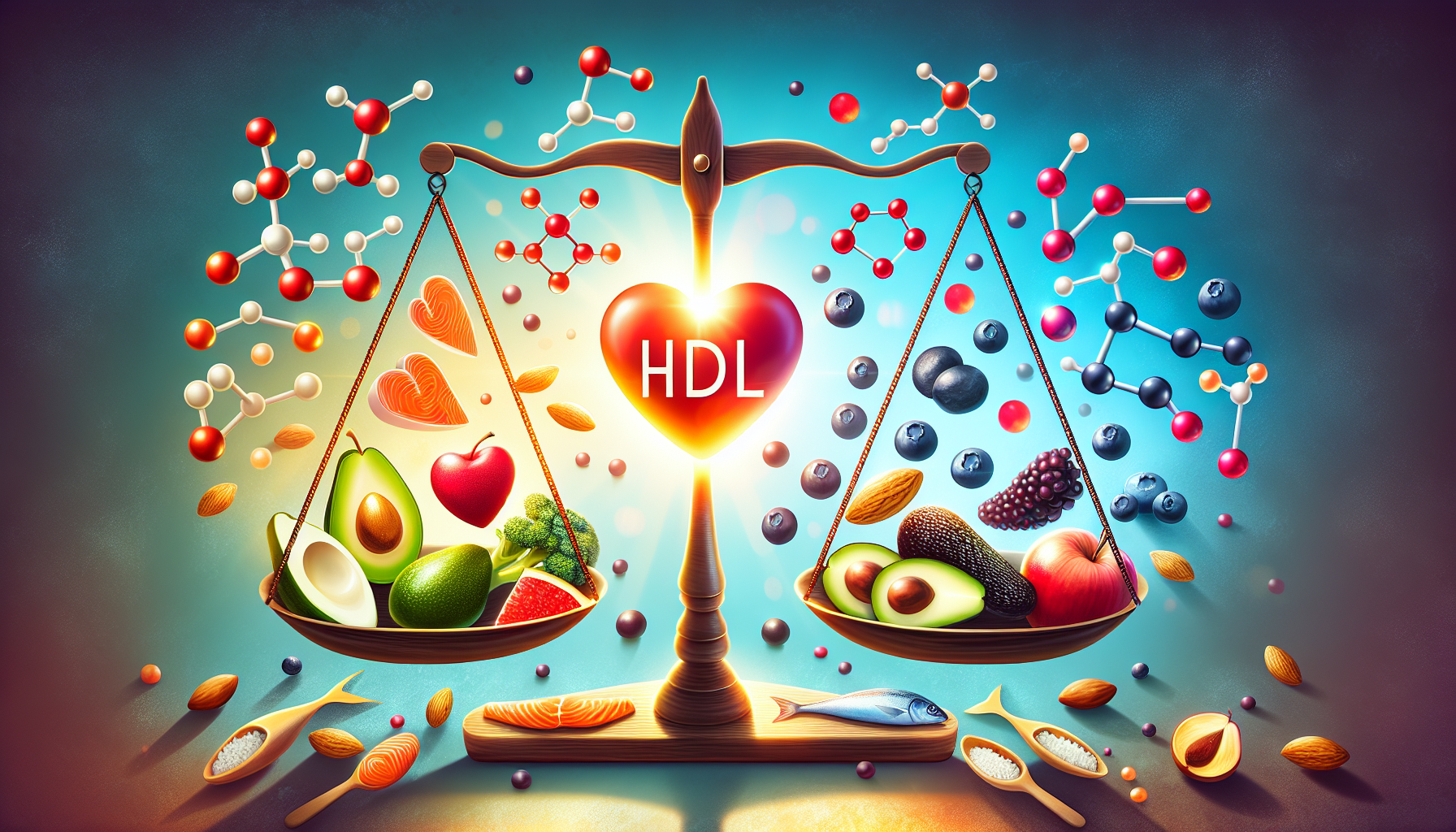
Understanding Cholesterol: The Good
What is Cholesterol?
Cholesterol is a waxy, fat-like substance present in every cell of the body. It performs several crucial functions, including the creation of hormones, vitamin D, and bile acids that assist in digesting fat. Despite its negative reputation, cholesterol is vital for our health, and without it, our bodies would malfunction.
Types of Cholesterol
Cholesterol travels through the bloodstream via lipoproteins, which come in various forms. The two primary types are:
Low-Density Lipoprotein (LDL): Often referred to as “bad” cholesterol, LDL can lead to plaque buildup in arteries, resulting in cardiovascular diseases. Elevated levels of LDL are associated with an increased risk of heart attacks and strokes.
High-Density Lipoprotein (HDL): Known as “good” cholesterol, HDL helps transport cholesterol from the arteries back to the liver, where it’s either recycled or eliminated. High levels of HDL are beneficial and can protect against heart disease.
Importance of Good Cholesterol
-
Heart Health: HDL cholesterol is crucial for maintaining heart health. It reduces the risk of heart diseases by facilitating the removal of cholesterol from the arteries, minimizing plaque formation.
-
Anti-inflammatory Properties: HDL possesses anti-inflammatory properties that may help control vascular inflammation, contributing to overall heart health.
-
Antioxidant Activity: HDL carries enzymes that can protect the body from oxidative stress, reducing damage to blood vessels and supporting cardiovascular health.
-
Hormonal Regulation: Cholesterol is essential for hormone production, including sex hormones like estrogen and testosterone, as well as adrenal hormones like cortisol. Proper HDL levels ensure these hormones are adequately synthesized.
-
Cell Membrane Integrity: Cholesterol is a key component of cell membranes, providing structural integrity and fluidity necessary for cell function and communication.
Factors Influencing Good Cholesterol Levels
-
Dietary Choices: Foods rich in healthy fats can help increase HDL cholesterol. Incorporating unsaturated fats found in olive oil, avocados, nuts, and fatty fish into your diet encourages a healthy balance.
-
Physical Activity: Regular exercise is a highly effective way to boost HDL levels. Engaging in aerobic activities, such as cycling, swimming, or brisk walking, can enhance cardiovascular fitness and improve cholesterol levels.
-
Weight Management: Maintaining a healthy weight is crucial for keeping HDL cholesterol in a favorable range. Losing excess weight can noticeably increase HDL levels, improving overall cardiovascular health.
-
Smoking Cessation: Quitting smoking has an immediate positive impact on HDL cholesterol levels, as studies have shown that non-smokers typically have higher HDL levels than smokers do.
-
Moderate Alcohol Consumption: Some studies suggest that moderate alcohol intake—particularly red wine—can help increase HDL levels. However, this should be approached cautiously and in moderation, as excessive alcohol can have adverse health effects.
-
Genetics: Genetics play a significant role in determining cholesterol levels. Some individuals may have higher baseline levels of HDL due to genetic factors. Understanding personal risk factors can aid in creating specific health strategies.
Monitoring and Managing Cholesterol Levels
Regular Checkups:
Regular lipid panel screenings are vital for monitoring cholesterol levels. Based on these results, doctors can provide tailored advice for maintaining or improving cholesterol levels.
advertisement

Understanding Your Numbers:
Cholesterol levels are expressed in milligrams per deciliter (mg/dL). Understanding your cholesterol numbers is key to managing your health:
- Total Cholesterol: Ideally below 200 mg/dL (considered desirable).
- LDL Cholesterol: Ideally below 100 mg/dL (optimal). Elevated levels are classified as follows: 100-129 mg/dL (near optimal), 130-159 mg/dL (borderline high), and above 160 mg/dL (high).
- HDL Cholesterol: Above 60 mg/dL is considered protective against heart disease. Levels below 40 mg/dL in men and 50 mg/dL in women are considered a risk factor for heart problems.
Lifestyle Changes:
Increasing HDL levels through lifestyle changes is often the first line of defense against high cholesterol levels. Making appropriate dietary changes, incorporating regular physical activity, and adopting other healthy behaviors will positively impact overall cholesterol health.
Foods That Boost Good Cholesterol
-
Fatty Fish: Salmon, mackerel, and sardines are high in omega-3 fatty acids, known for raising HDL levels while lowering triglycerides.
-
Nuts and Seeds: Almonds, walnuts, flaxseeds, and chia seeds contain healthy fats and fiber that can help improve HDL cholesterol.
-
Olive Oil: Rich in monounsaturated fats, incorporating olive oil into meals can significantly boost good cholesterol while supporting heart health.
-
Avocado: This nutrient-dense fruit is a source of monounsaturated fats, known to promote healthy cholesterol levels.
-
Whole Grains: Oats, quinoa, and barley are great sources of soluble fiber, which selectively helps reduce LDL cholesterol while improving HDL levels.
-
Fruits and Vegetables: Berries, apples, and leafy greens are rich in antioxidants and fiber, supporting heart health and improving overall cholesterol profile.
-
Legumes: Beans, lentils, and chickpeas provide protein and fiber, contributing to lower LDL and enhanced HDL cholesterol.
The Role of Supplements
While obtaining nutrients through food is generally preferable, certain supplements can help support good cholesterol levels. Some notable options include:
-
Omega-3 Fatty Acids: Found in fish oil supplements, omega-3s can enhance HDL levels and improve triglyceride profiles.
-
Nicotinic Acid (Niacin): This B vitamin can effectively increase HDL cholesterol, but it should only be taken under medical supervision due to potential side effects.
-
Plant Stanols and Sterols: These compounds, found in various fortified foods and supplements, can help reduce LDL cholesterol levels while having a moderate positive effect on HDL.
-
Fiber Supplements: Soluble fiber from sources such as psyllium husk or barley can support cholesterol balancing when dietary intake is lacking.
Emerging Research on HDL Cholesterol
Current research has expanded our understanding of HDL cholesterol beyond simply being “good” for heart health.
-
HDL Functionality: Scientists are increasingly focusing on the functional capacities of HDL rather than just quantity. Some HDL particles are small and dysfunctional, which may contribute to cardiovascular risk despite high overall HDL levels.
-
Inflammation and Diabetes: Emerging studies suggest that while HDL is generally protective, its behavior in inflammatory conditions and diabetes may differ. Increased levels may not always correlate with reduced cardiovascular risk in these scenarios.
-
Personalized Medicine: Research in genomics and cholesterol metabolism is paving the way for more personalized approaches to managing cholesterol levels, considering individual variations in lipid metabolism and risk factors.
Conclusion
Cholesterol is a complex subject that requires a deeper understanding beyond the binary view of “good” and “bad.” While we often focus on managing LDL cholesterol levels, embracing and encouraging high HDL cholesterol can be a crucial part of maintaining overall health. From dietary choices to lifestyle changes, there are numerous ways to support good cholesterol levels and mitigate risks associated with heart disease. Understanding the role of cholesterol in our bodies can lead to better health decisions and improved well-being.
By focusing on a holistic approach that includes nutrition, physical activity, and regular monitoring, it’s possible to manage cholesterol levels effectively, enhancing heart health and overall well-being.
advertisement