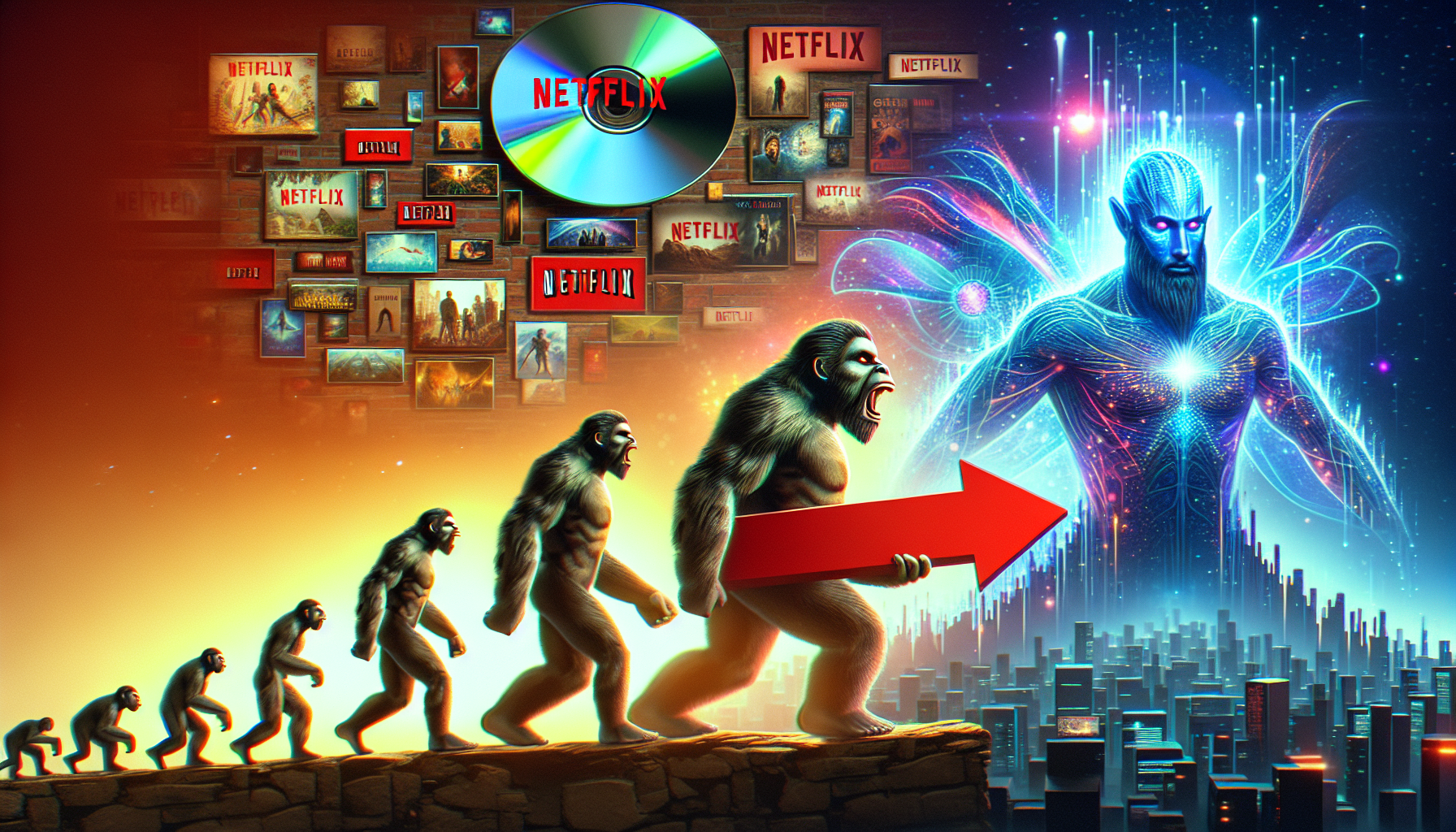
The Evolution of Netflix: From DVD Rentals to Streaming Giant
The Birth of Netflix
Founded by Reed Hastings and Marc Randolph in August 1997, Netflix began as a DVD rental service, forever altering how entertainment was consumed. The inspiration for Netflix sparked from Hastings’ frustration over a late fee charged for a misplaced rental, which pushed him to establish a service that would allow customers to rent DVDs online without the hassle of late fees. Initially debuting in the United States, the company would soon revolutionize the movie rental landscape.
Early Operations and Business Model
In its early days, Netflix operated on a pay-per-rental model, which was common among competitors like Blockbuster and Hollywood Video. Customers could browse DVDs available in the company’s catalog and receive them by mail. The transition from rental stores to mail-order rentals was gradual but noteworthy. In 1998, Netflix employed a subscription model for first time, allowing customers to rent an unlimited number of DVDs per month for a flat fee. This innovative idea pivoted the company’s trajectory, leading to significant growth.
The Impact of Technology
Advancements in technology played a crucial role in Netflix’s evolution. During the late 1990s and early 2000s, broadband internet connections became increasingly common among consumers, enabling faster video downloads and enhanced online experiences. The company recognized the potential of streaming technology and steadily transitioned from DVD rentals to online streaming. In 2007, Netflix introduced its online streaming service, allowing subscribers instant access to a vast library of titles, marking the beginning of the company’s radical transformation.
Competition and Market Challenges
As Netflix embraced streaming, it faced significant competition from traditional rental services, cable companies, and emerging tech companies entering the market. Blockbuster and Hollywood Video struggled to adapt to the changing landscape, resulting in their eventual demise. Meanwhile, Netflix continued to innovate, securing licensing agreements with major studios and expanding its offerings. By 2010, the company had grown to over 20 million subscribers, positioning itself as a formidable player in the entertainment landscape.
The Shift to Original Programming
The year 2013 marked a pivotal moment for Netflix as it ventured into original content creation. The launch of “House of Cards,” starring Kevin Spacey, demonstrated Netflix’s commitment to producing original programming that could compete with traditional television networks. This strategic move further enhanced Netflix’s market position, as subscribers were drawn to exclusive content not available anywhere else. The success of “House of Cards” paved the way for subsequent hits such as “Orange is the New Black,” “Stranger Things,” and “The Crown,” establishing Netflix as a powerhouse in original series.
advertisement

Data-Driven Decision Making
Netflix became known for its data-driven approach, utilizing analytics to understand viewer preferences and behaviors. By collecting data on viewing patterns, the company could tailor recommendations to individual subscribers. This strategy not only improved user experience but also informed decisions regarding content creation, helping the streaming giant invest in projects that aligned with audience interests. The power of data also allowed Netflix to quickly identify trends, adapt to changing viewer habits, and enhance engagement.
Expansion into International Markets
Recognizing the potential for growth beyond the U.S. market, Netflix began international expansion in 2010 by launching services in Canada. It subsequently broadened its reach to other countries, including the United Kingdom, Brazil, and Australia. By 2016, Netflix was available globally in over 190 countries, although the catalog varied based on licensing agreements and regional content. This global expansion strategy laid the groundwork for an increasingly diverse subscriber base, further solidifying Netflix’s dominance as a streaming giant.
Content Localization and Diversity
In response to the diverse international audience, Netflix invested in localized content, producing original series and films tailored to various cultures. Shows such as “Money Heist” from Spain and “Sacred Games” from India attracted significant viewership, demonstrating Netflix’s commitment to inclusion and diversity. The company recognized that appealing to global audiences required an understanding of local preferences, and as such, it embraced producing multilingual content that resonated with multiple demographics.
Challenges and Controversies
Throughout its journey, Netflix faced various challenges and controversies. The emergence of streaming competitors like Amazon Prime Video, Disney+, and Hulu unlocked new battles for subscriber attention. As competition intensified, Netflix experienced fluctuations in subscriber growth and investor scrutiny over spending on original content. Additionally, controversies surrounding cancelation decisions, content commissions, and accusations regarding censorship posed challenges for the platform’s reputation.
The Role of Artificial Intelligence
In the rapidly evolving digital landscape, Netflix recognized the importance of implementing advanced technologies, including artificial intelligence (AI). The company began leveraging AI to improve user experience through personalized recommendations and enhance content production processes. From script analysis to content optimization, AI has played an integral role in Netflix’s strategic initiatives, transforming how the company creates and delivers content to its subscribers.
Adapting to Changing Viewer Habits
The global COVID-19 pandemic fueled a surge in streaming consumption, with many people turning to platforms like Netflix while quarantining at home. This shift reinforced Netflix’s position as a leading streaming service, as more users sought online entertainment alternatives. The pandemic also prompted adaptations, including expedited releases of original films and series, reconsideration of live event programming, and increased investment in children’s content as families turned to streaming for family-friendly entertainment.
Economic Impact and Market Capitalization
As Netflix expanded its subscriber base and ventured into new markets, the company’s market capitalization surged. By the end of 2021, Netflix achieved a valuation of over $250 billion, establishing it as one of the most valuable media entities worldwide. While the company has encountered challenges, including subscription saturation in some markets, its continued investment in compelling content has positioned it to navigate the evolving landscape.
The Future of Netflix
Looking ahead, Netflix continues to innovate, focusing on content diversification, technology enhancements, and international growth. With plans to develop interactive content and expand into gaming, Netflix aims to keep pace with changing viewer expectations. The company also seeks to expand partnerships for live events and sports programming as it strives to broaden its appeal beyond traditional streaming offerings.
Conclusion: A Streaming Blog
While the early journey of Netflix involved DVD rentals, its transition to a streaming powerhouse has forever changed the way audiences consume entertainment. The integration of original programming, international expansion, and a focus on personalized content has positioned Netflix as an influential player in the media landscape. As the company faces emerging competitors and navigates shifts in viewer behavior, its commitment to innovation and adaptation assures its ongoing relevance in a crowded digital space.
Each of these evolutions has shaped Netflix’s strategy and trajectory, making it an essential case study in the entertainment industry. Understanding Netflix’s journey provides insights into the future of streaming, the impact of technology on viewer behavior, and the ongoing battle for content supremacy in an increasingly competitive market. Looking forward, Netflix represents a blueprint for leveraging technology, data, and creativity in the pursuit of success in the digital age.
advertisement