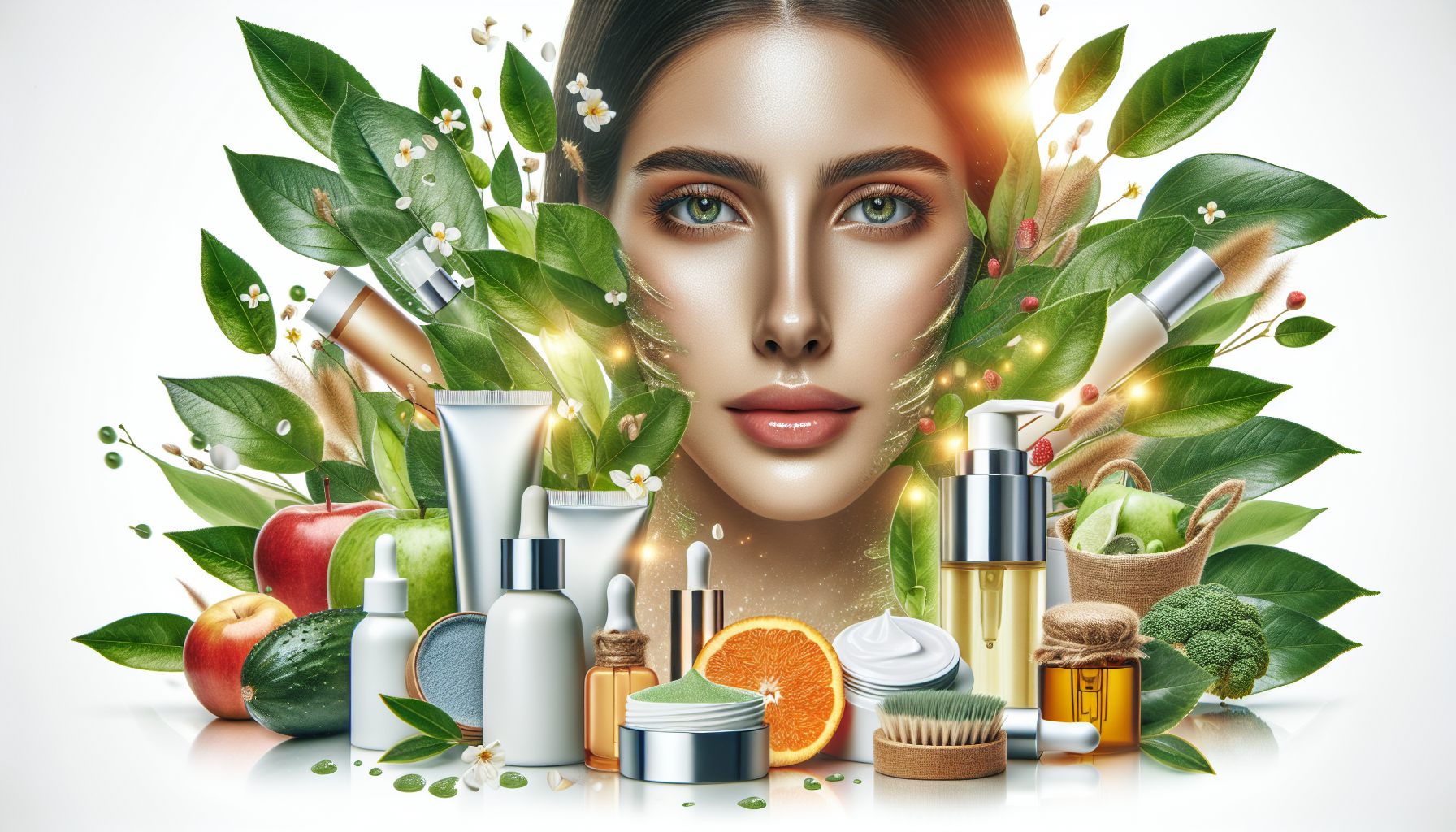
The Secrets to Achieving a Flawless Complexion
Achieving a flawless complexion is a common desire, sought after by many individuals who dream of smooth, luminous skin. This guide delves into proven strategies and insights for producing a pristine complexion. While genetics play a role, external factors also significantly influence skin health. Here’s a detailed examination of the necessary steps to achieve the skin of your dreams.
Understanding Your Skin Type
Before diving into specific skincare solutions, understanding your skin type is crucial. Skin types generally fall into five categories: oily, dry, combination, sensitive, and normal.
- Oily Skin: Characterized by excess sebum production, leading to shine and prone to acne.
- Dry Skin: Lacking moisture which can lead to flakiness and irritation.
- Combination Skin: Features characteristics of both dry and oily skin in different areas.
- Sensitive Skin: Reacts easily to products, often resulting in redness and irritation.
- Normal Skin: Balanced moisture levels, smooth texture, and few imperfections.
Identifying your skin type can help you choose the right products and routines tailored to your skin’s unique needs.
A Robust Skincare Routine
A well-defined skin care routine is foundational to achieving a flawless complexion. Consistency is key, and a regimen should be followed daily.
Cleansing
Cleansing is the first critical step. It removes dirt, makeup, and excess oils. Choose a gentle cleanser suitable for your skin type:
advertisement

- For Oily Skin: Use a salicylic acid or foaming cleanser to combat breakouts.
- For Dry Skin: Opt for cream-based cleansers that add moisture.
- For Sensitive Skin: Go for fragrance-free formulas to minimize irritation.
Cleansing should occur twice a day—morning and night.
Exfoliating
Exfoliation helps shed dead skin cells, promoting smoother skin and preventing clogged pores.
- Chemical Exfoliants: These include alpha hydroxy acids (AHAs) like glycolic acid and beta hydroxy acids (BHAs) like salicylic acid. Chemical exfoliants can penetrate the skin for deeper cleansing.
- Physical Exfoliants: These utilize scrubs or brushes to buff the skin’s surface. Use them sparingly to avoid irritation.
Exfoliate 1-2 times a week, depending on skin sensitivity. It’s best to exfoliate at night to allow skin to regenerate overnight.
Toning
Toners restore pH balance, tighten pores, and remove residual makeup and cleanser. Look for alcohol-free toners containing hydrating ingredients like glycerin or hyaluronic acid.
Moisturizing
A hydrating moisturizer locks in moisture and protects the skin barrier. Choose formulations based on your skin type:
- Oily Skin: Lightweight, oil-free moisturizers with gel textures.
- Dry Skin: Creamy, rich moisturizers with ingredients like ceramides or shea butter.
- Sensitive Skin: Fragrance-free lotions and those formulated for sensitive skin.
Moisturizing should occur twice daily after cleansing and toning.
Sun Protection
No skincare routine is complete without adequate sun protection. UV radiation can cause premature aging, hyperpigmentation, and skin cancer. Employ the following practices:
- Daily SPF: Use broad-spectrum sunscreen with at least SPF 30, even on cloudy days.
- Physical Sunscreens: Those containing zinc oxide or titanium dioxide are recommended for sensitive skin types.
Apply sunscreen daily, reapplying every two hours if you’re spending time outdoors.
Targeting Specific Skin Concerns
Once your basic skincare routine is established, consider incorporating products that target specific issues like pigmentation, acne, or aging.
Serums
Serums are concentrated formulations that deliver active ingredients directly to the skin. Common serums include:
- Vitamin C: Brightens skin, evens skin tone, and provides antioxidant protection.
- Niacinamide: Helps reduce inflammation, minimizes pores, and improves skin texture.
- Retinoids: Promote skin cell turnover and reduce fine lines and acne.
Incorporate serums into your routine after toning and before moisturizing for maximum benefits.
Masks
Face masks serve various purposes, from hydration to detoxification.
- Hydrating Masks: Often contain hyaluronic acid and are great for dry skin.
- Clay Masks: Ideal for oily skin, helping to draw out impurities.
- Sheet Masks: Provide targeted treatment and hydration in a convenient format.
Use masks 1-2 times a week, adjusting based on your skin’s needs.
The Role of Diet and Lifestyle
What you consume can significantly impact your skin’s health. A balanced diet filled with vitamins and minerals can enhance your complexion.
- Stay Hydrated: Drinking adequate water keeps your skin hydrated from the inside out. Aim for at least 8 glasses of water daily.
- Antioxidant-Rich Foods: Incorporate berries, leafy greens, and nuts to combat oxidative stress on the skin.
- Healthy Fats: Omega-3 fatty acids found in fish and flaxseeds can reduce inflammation and promote skin health.
Lifestyle Habits for Healthy Skin
Engaging in a healthy lifestyle can yield remarkable skin benefits. Consider the following habits:
- Adequate Sleep: Aim for 7-9 hours of quality sleep to optimize skin repair and rejuvenation.
- Stress Management: Practicing relaxation techniques such as yoga, meditation, or breathwork can reduce stress, which can lead to breakouts.
- Avoid Smoking and Limit Alcohol: Both tobacco and excessive alcohol can dehydrate the skin and contribute to premature aging.
Regular Professional Treatments
For those seeking enhanced skincare results, regular treatment from a professional can be beneficial. Options include:
- Facials: These can deeply cleanse, exfoliate, and hydrate the skin, tailored to individual skin types and concerns.
- Chemical Peels: These treatments help in removing dead skin cells and promoting skin regeneration.
- Microdermabrasion: Non-invasive treatment that exfoliates the skin to improve texture and clarity.
Consistency and Patience
Maintaining a flawless complexion is not an overnight process. Achieving results will require time and consistency. After introducing new products, give your skin at least 4-6 weeks to adjust before determining effectiveness.
Choosing the Right Products
Not all products are created equal. Pay attention to ingredients, opting for formulations that are free from harsh chemicals, fragrances, and dyes that can irritate the skin. Be open to trying different brands and product types until you discover what works best for you.
Seasonal Adjustments
Skin needs can vary with seasons. In the winter, skin often requires more hydration due to colder, drier air. Adjust your moisturizer accordingly and consider adding a richer formula. Conversely, during summer, lighter hydrators and mattifying products might be necessary for those with oily skin.
The Importance of Patience
While results may not be immediate, patience is vital in pursuing a flawless complexion. Allow your skin time to adjust and respond to new products and routines.
Summary of Must-Have Ingredients
Understanding key ingredients can elevate your skincare regimen. Here are essentials to include:
- Hyaluronic Acid: Retains moisture and plumps the skin.
- Glycolic Acid: Exfoliates and promotes cell turnover.
- Vitamin E: Acts as an antioxidant and nourishes the skin.
- Peptides: Reinforce the skin’s natural barrier and stimulate collagen production.
Final Note
Cultivating a flawless complexion is an integrated approach that combines effective skincare, healthy lifestyle habits, and patience. By understanding your skin and remaining committed to a routine that addresses its needs, anyone can unlock the secrets to radiant, beautiful skin.
advertisement