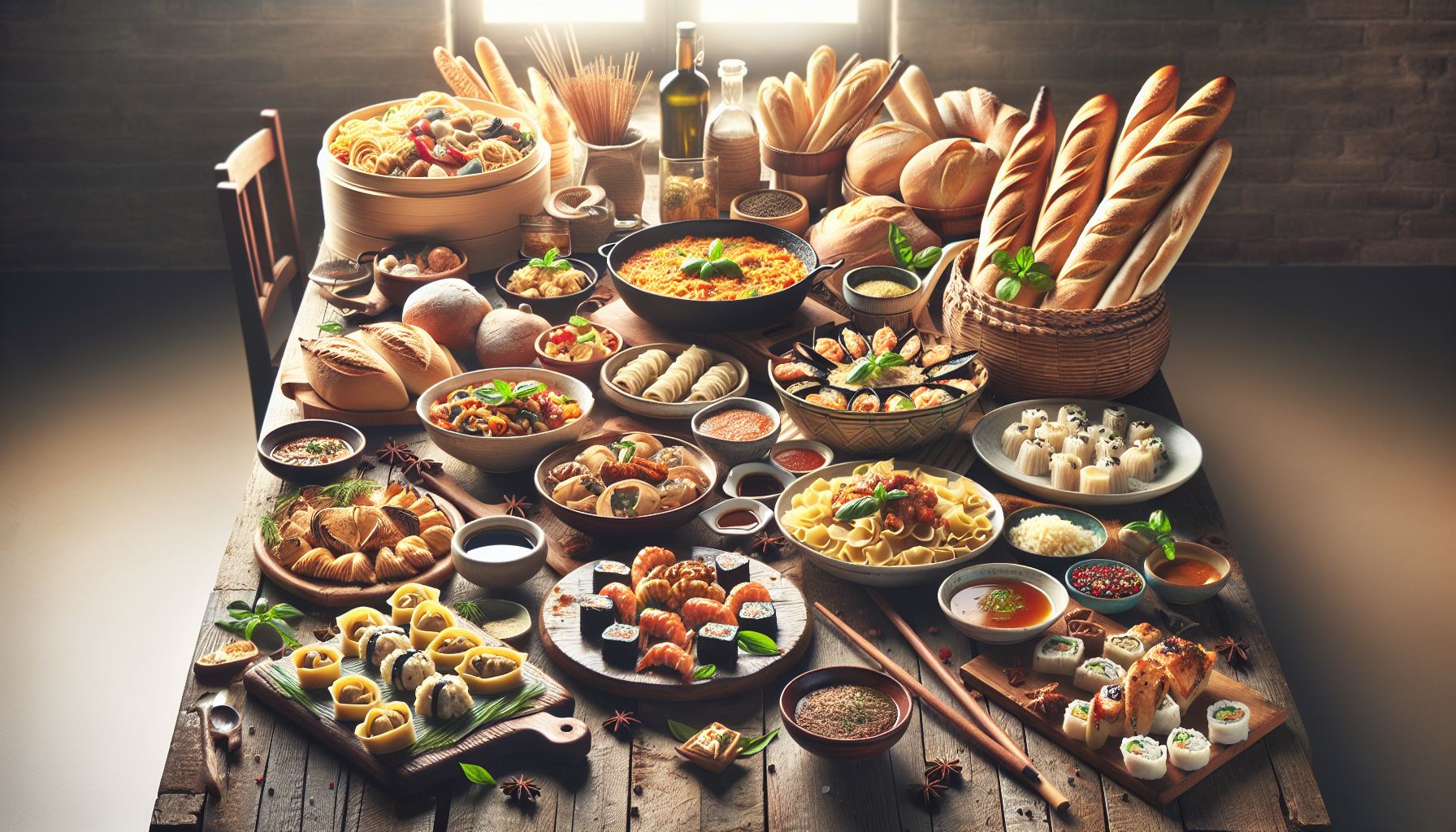
Savoring the Flavors: A Review of Culinary Delights
The Significance of Culinary Experience
Culinary experiences are not merely about eating; they are a journey through taste, culture, and emotion. Every dish tells a story, reflecting the traditions and ingredients of its origin. The significance of culinary experiences lies in their power to evoke memories, foster exploration, and establish connections. Whether it’s the vibrant spices of Indian cuisine or the delicate textures of Japanese sushi, each flavor has its unique narrative.
A Global Palette: Exploring World Cuisines
Italian Cuisine: A Taste of Tradition
Italian cuisine encapsulates comfort and tradition. From the rich, cheesy textures of lasagna to the intricate flavors of risotto, Italian dishes are packed with fresh, high-quality ingredients. Artisan pizzas, with their hand-tossed crusts and fragrant basil, are a staple in various culinary scenarios. Notably, regional specialties like the truffle-infused dishes from Alba highlight Italy’s diverse gastronomical landscape.
Key Ingredients:
- Olive Oil – The foundation of Italian cooking, used for drizzling and sautéing.
- Fresh Herbs – Basil, oregano, and parsley enhance flavor profiles significantly.
- Seasonal Produce – Tomatoes, garlic, and artisan cheeses are indispensable.
Japanese Cuisine: The Art of Minimalism
Japanese cuisine emphasizes aesthetics and simplicity. Dishes often feature seasonal ingredients, showcasing the philosophy of “umami”. Sushi, sashimi, and ramen are just a few examples where freshness and precision combine to create unforgettable experiences. The meticulous preparation of sushi, for instance, showcases the chef’s skill and respect for ingredients.
Key Ingredients:
advertisement

- Rice – A staple food, often served with fish or pickles.
- Seafood – Fresh fish often served raw, allowing natural flavors to shine.
- Miso – A fermented soybean paste that adds depth to many dishes.
Indian Cuisine: A Symphony of Spices
Indian cuisine is famed for its complex flavors and vibrant spices. Each region boasts its unique dishes that often hinge on local ingredients. From the fiery curries of the south to the tandoori delicacies of the north, Indian food is all about layering flavors and experimenting with spices.
Key Ingredients:
- Cumin and Coriander – Used in various forms to create aromatic bases for curries.
- Turmeric – Celebrated for its flavor and vibrant color.
- Garam Masala – A blend of spices that adds warmth and complexity.
The Fusion Revolution: Blending Traditions
In recent years, culinary fusion has gained immense popularity, marrying diverse culinary traditions into unique creations. Restaurants worldwide have begun experimenting with blending different cuisines, giving rise to dishes like kimchi tacos, sushi burritos, and Indian-inspired pizza.
Benefits of Fusion Cuisine:
- Innovation – Encourages chefs to think outside the box.
- Cultural Exchange – Promotes understanding and appreciation of different culinary traditions.
- Diverse Flavors – Offers consumers new and exciting taste experiences.
Fusion cuisine exemplifies how culinary boundaries can be redefined without losing the essence of each tradition.
Exploring Innovative Eating: Modernist Cuisine
Modernist cuisine pushes the envelope of culinary arts by incorporating scientific techniques and technology into cooking. Techniques such as sous-vide cooking, molecular gastronomy, and foaming have revolutionized how food is prepared, exploring new textures and flavors.
Characteristics of Modernist Cuisine:
- Precision Cooking – Ensures consistency and quality in dishes.
- Visual Presentation – Emphasizes aesthetics using modern plating techniques.
- Flavor Pairing – Utilizes food science to enhance taste profiles.
Restaurants dedicated to modernist approaches often create memorable dining experiences through intriguing and imaginative dishes.
Regional Food Festivals: A Celebration of Local Flavors
Food festivals provide a superb opportunity to explore regional culinary delights. These events often feature local chefs and artisans who showcase their best dishes, offering attendees a taste of cultural heritage and community pride.
Popular Food Festivals:
- Oktoberfest (Germany) – Celebrating traditional Bavarian food and beer.
- La Tomatina (Spain) – A unique festival featuring tomato-based culinary creations.
- Taste of Chicago (USA) – A celebration of diverse culinary offerings from the city.
Participating in food festivals not only indulges the palate but also connects food lovers with culinary history and cultural storytelling.
The Role of Food Tours in Culinary Exploration
Food tours are gaining traction as a method for exploring culinary landscapes. These guided experiences allow individuals to sample various local delicacies while learning about their history and preparation.
Benefits of Food Tours:
- Expert Guidance – Offers insights and knowledge from local food experts.
- Convenient Sampling – Allows tourists to try multiple dishes without overcommitting to one restaurant.
- Cultural Engagement – Connects participants with the culture and community surrounding the food.
Food tours often highlight street food, market delicacies, and hidden gems that are key to understanding a destination’s culinary scene.
Evaluating Dining Experiences: Essential Aspects
When reviewing culinary delights, several aspects warrant consideration:
Taste and Flavor Profile
The primary measure of any dish is its taste. A robust flavor profile usually harmonizes contrasting tastes—sweet, salty, sour, and umami—offering a balanced experience.
Presentation and Aesthetics
Food presentation greatly impacts the overall dining experience. Attractive plating can make the meal more appealing and enhance anticipation, elevating the enjoyment.
Service and Atmosphere
Exceptional service complements great food. A welcoming atmosphere and attentive staff significantly improve the dining experience. Restaurants focusing on customer engagement often leave lasting impressions.
Price Point and Value
Value is crucial when assessing dining experiences. It’s essential to consider whether the quality of food and experience justifies the expenses.
Engaging with Local Ingredients: Farm-to-Table Movement
The farm-to-table movement emphasizes the importance of sourcing local ingredients, reflecting sustainability and locality in culinary practices. Chefs and food enthusiasts are increasingly prioritizing the use of seasonal, local produce to enhance flavor and support local economies.
Advantages of Farm-to-Table:
- Seasonal Freshness – Ingredients are at their peak flavor and nutritional value.
- Reduced Carbon Footprint – Locally sourced ingredients lessen transportation impacts.
- Culinary Diversity – Promotes unique dishes based on available local produce.
The farm-to-table approach results in richer flavors and fosters an increased awareness of food sources and seasonality.
Culinary Education: Learning the Craft
For those passionate about exploring cuisine, culinary education offers foundational knowledge about food preparation, flavor pairing, and culinary techniques. From culinary schools to online courses, aspiring chefs can learn to transform their passion into skill.
Popular Culinary Education Formats:
- Culinary Schools – Offer structured programs focusing on various cooking styles.
- Workshops – Provide hands-on experiences with specific skills like baking or knife techniques.
- Online Courses – Offer flexibility for home cooks to learn at their own pace.
Investing in culinary education not only enhances cooking capabilities but also opens avenues for culinary careers ranging from chefs to food writers and beyond.
The Influence of Food Media
Food media, encompassing cookbooks, television shows, and social media, plays an influential role in shaping contemporary culinary trends. Platforms like Instagram and YouTube allow chefs and home cooks to share their passion with a global audience, inspiring others to innovate and explore.
Impact of Food Media:
- Trendsetting – Introduces new cooking styles and ingredients to the public.
- Community Building – Fosters connections among food enthusiasts through shared content.
- Culinary Education – Provides access to learning experiences that might not be available locally.
Food media effectively democratizes access to culinary knowledge, broadening the reach and appreciation of culinary arts.
By exploring diverse cuisines, engaging with local ingredients, and embracing culinary education, food enthusiasts can savor the flavors of culinary delights from around the world, creating unforgettable gastronomic experiences. Each dish tells a story and navigating these narratives enhances our collective understanding of culinary artistry.
advertisement