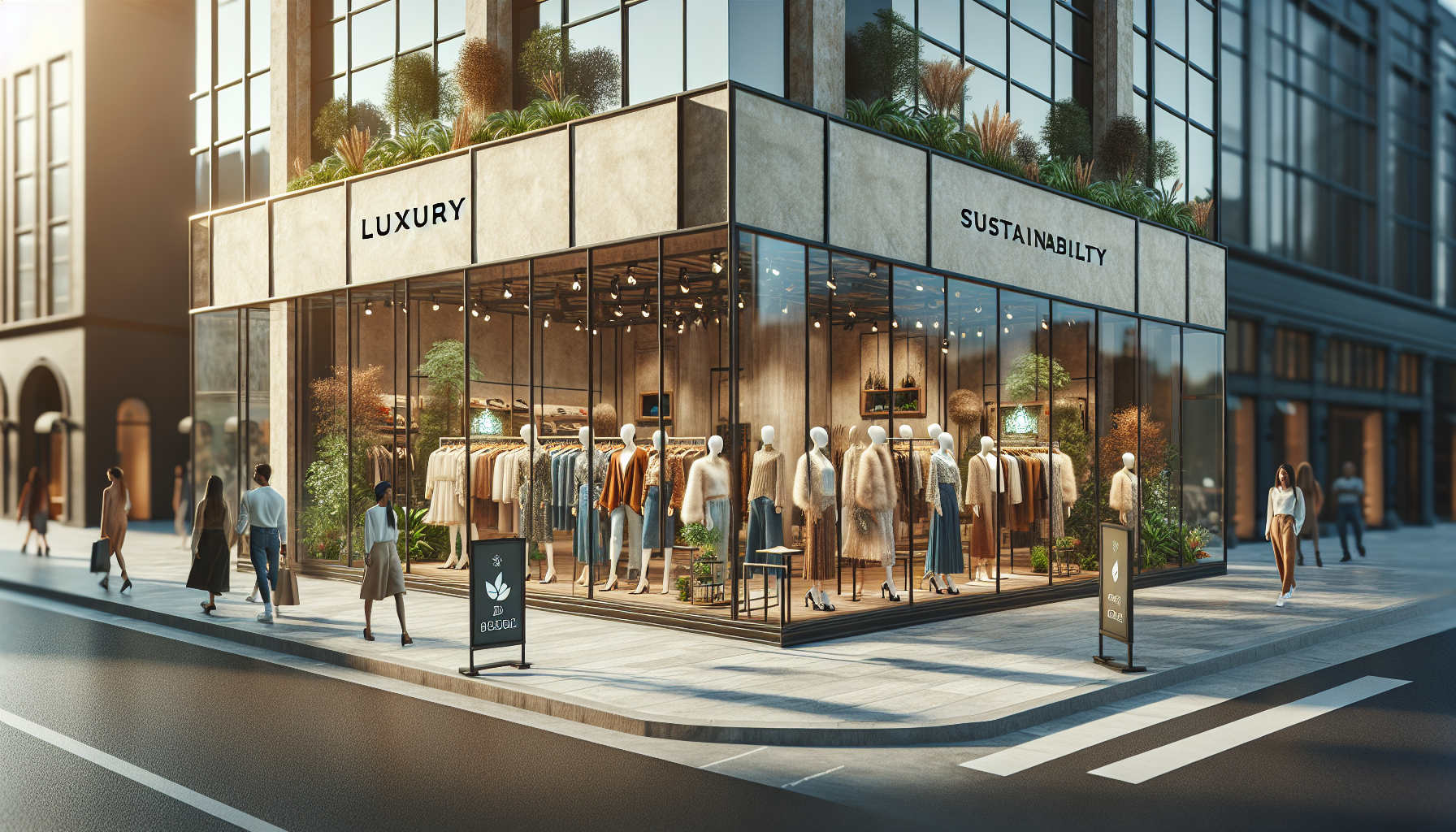
The Rise of Sustainable Luxury Fashion
A Definition of Sustainable Luxury Fashion
Sustainable luxury fashion refers to high-quality garments and accessories that prioritize environmental protection and social responsibility while maintaining elegance and craftsmanship. This contemporary movement within the luxury sector combines ethical sourcing, responsible manufacturing processes, and transparent supply chains, thereby redefining what it means to possess luxury.
Historical Context
In the tradition of haute couture, luxury fashion has long been associated with exclusivity and opulence. However, the turn of the 21st century has introduced significant changes in consumer attitudes about sustainability. Consumers increasingly demand transparency and accountability from brands regarding their environmental and ethical practices, particularly in the fashion industry, infamous for its detrimental environmental impact. Prior to this shift, the luxury fashion sector operated largely in silence regarding its ecological footprint, with mass production and fast fashion dominating the retail landscape.
The Birth of Conscientious Consumerism
With the rise of social media, consumers have become more informed and connected than ever before. Social media platforms facilitate the rapid dissemination of information, allowing movements surrounding ethical fashion, such as Eco-Age and Fashion Revolution, to gain traction. Blogging, vlogging, and Instagram posts about ‘who made my clothes?’ have pushed luxury fashion houses to embrace sustainability and environmentally friendly practices more vigorously.
Data-Driven Insights: A Shift in Market Demand
According to studies by McKinsey & Company and the Global Fashion Agenda, consumer interest in sustainability has risen dramatically in recent years. In a survey conducted in 2022, nearly 70% of respondents stated they would pay more for a product if it came from a sustainable brand. This trend drives even the most prestigious fashion labels to rethink their approaches to production and marketing.
Innovative Techniques in Sustainable Luxury Fashion
-
Eco-friendly Materials:
- Organic Fabrics: Brands are increasingly opting for organic cotton, linen, and wool, which are farmed without harmful chemicals.
- Recycled Materials: Many luxury brands are integrating advanced recycling techniques involving plastics and non-biodegradable materials, creating innovative fabrics such as Econyl®, a regenerated nylon derived from ocean waste.
- Biopolymers and Natural Dyes: Several established and emerging brands utilize biopolymers made from natural materials, reducing the dependence on fossil fuels.
-
Circular Fashion: The concept of circularity entails designing clothes for longevity and reusability. Brands like Stella McCartney have embraced this model, offering programs for garment recycling and redesigning old pieces into new ones.
-
Artisanal Craftsmanship: Emphasizing traditional craftsmanship not only enhances the quality and uniqueness of luxury garments but also minimizes waste associated with machine production.
-
Transparency and Traceability: Brands are being scrutinized for their supply chains. Many luxury fashion labels adopt blockchain technologies to ensure traceability in material sourcing, allowing consumers access to information regarding the origins of their products.
The Role of Influencers and Collaborations
The role of influencers in promoting sustainable luxury fashion cannot be understated. Key personalities advocate eco-friendly practices and align with brands that prioritize sustainable methods. Collaborations between influential designers and sustainable initiatives amplify awareness, leading to increased consumer engagement. Partnerships like the one between Adidas and Parley for the Oceans highlight how luxury brands can blend performance and sustainability creatively, drawing more users to the luxury fashion sector.
advertisement

Changing Financial Investments in Luxury Fashion
Investment bodies like private equity firms, hedge funds, and venture capitalist organizations are increasingly supporting brands that incorporate sustainable practices. Sustainable luxury fashion represents a lucrative investment opportunity as it demonstrates resilience in a volatile market. Many funds prefer brands with favorable environmental and social governance (ESG) scores.
The Challenge of Greenwashing
Although the sustainable luxury fashion movement is on the rise, brands face significant challenges, primarily the risk of “greenwashing.” This term refers to misleading claims by brands that emphasize their sustainability efforts without adhering to rigorous standards or certifications. Accusations of greenwashing can damage brand reputations and undermine consumer trust. Transparency is critical as consumers become increasingly savvy regarding sustainability claims.
Case Studies of Leading Brands
-
Stella McCartney: A pioneer in sustainable luxury fashion, McCartney has incorporated eco-friendly practices within her brand since inception. She utilizes organic cotton and aims for a zero-waste approach, engaging consumers who are passionate about sustainability.
-
Gucci: Under the creative direction of Alessandro Michele, Gucci has made significant strides in pursuing sustainability. The brand’s “Gucci Equilibrium” initiative showcases its commitment to reducing environmental impact while integrating transparency into its operations.
-
Burberry: Burberry’s investment in sustainable technology, such as laser-cutting and efficient manufacturing, illustrates their commitment to blending luxury with eco-responsibility. The brand has pledged to reduce its carbon footprint significantly by 2025.
-
Hermès: With heritage deeply rooted in craftsmanship, Hermès focuses on minimizing waste through timeless designs and enduring quality finishes. They exemplify how luxury can coincide with sustainability through a focus on longevity.
The Consumer Profile
Today’s conscientious consumer is largely Millennial and Gen Z. This demographic values experiences over ownership and are more inclined to support brands that align with their values. They are heavily influenced by opinions expressed online and expect brands to communicate openly regarding their sustainability practices.
Digital Marketing Trends in Sustainable Luxury Fashion
Brands have adopted innovative digital marketing tactics to reach modern consumers effectively. Techniques include:
- Storytelling: Sharing the narrative behind materials, production processes, and the artisans involved captures the emotional connection consumers seek.
- User-Generated Content: Brands like Reformation leverage social proof through images and testimonials shared by satisfied consumers, enhancing perceived value.
- Documentary Productions: Mini-documentaries showcasing sustainable practices or behind-the-scenes glimpses of production processes effectively educate consumers while promoting the lifestyle associated with sustainable luxury.
Ethical Production Practices
For sustainable luxury to truly thrive, ethical production methods must also become the norm. Fair labor practices, safe work environments, and equitable wages are essential components of the sustainable luxury ethos. Brands committed to fair labor practices often gain customer loyalty as consumers appreciate knowing their purchases support ethical occasions.
Policy and Impact
Governments and organizations worldwide are beginning to implement policies that encourage sustainable practices within the fashion industry. International agreements focus on combating climate change, leading to more stringent regulations surrounding textile production and waste management. The European Union has introduced the Circular Economy Action Plan, which aims to push all sectors, including fashion, towards sustainable practices.
Future Trends in Sustainable Luxury Fashion
As sustainable luxury fashion continues to grow, it is likely to evolve in the following ways:
- Increased Personalization: Brands will leverage data analytics to provide personalized offerings that resonate with individual customer values regarding sustainability.
- Technology Integration: Innovations like AI and 3D printing will transform production processes, reduce waste, and enable personalized designs, improving sustainability.
- Expanded Inclusivity: The narrative surrounding sustainability will incorporate inclusivity, promoting equality and representation across all facets of luxury fashion.
Each of these trends collectively contributes to a future where sustainable luxury fashion is not merely a niche but a standard component of the luxury marketplace.
advertisement