Essential Cooking Tips for Beginners
1. Familiarize Yourself with Kitchen Tools and Gadgets
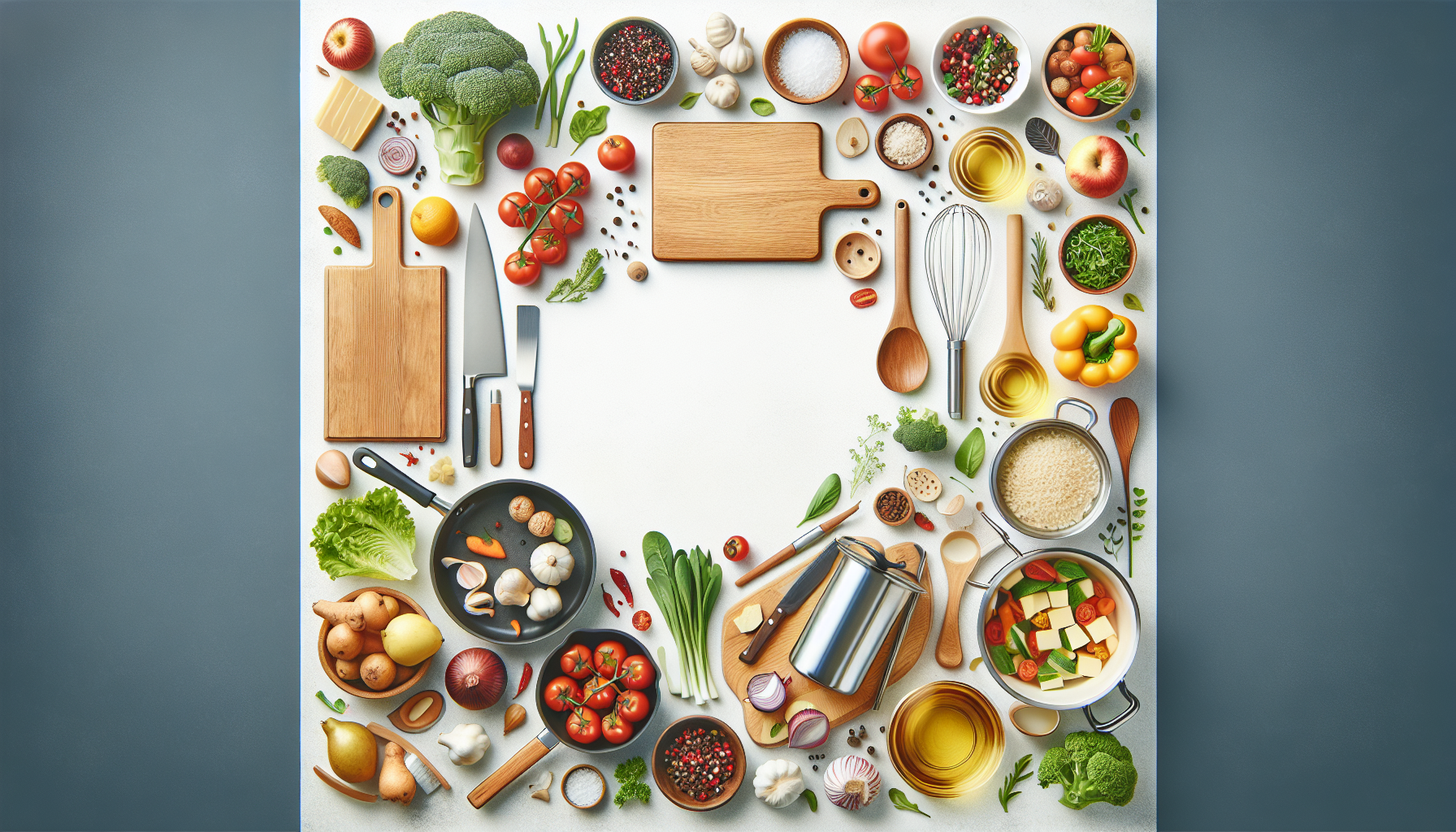
Understanding the tools you will be using is fundamental to your cooking success. Here are some essentials:
- Knives: Invest in a good chef’s knife and a paring knife. Learn to maintain them through regular honing and occasional sharpening.
- Cutting Boards: Use separate boards for meats and vegetables to avoid cross-contamination.
- Pots and Pans: Start with a basic set that includes a frying pan, saucepan, and a larger pot.
- Measuring Cups and Spoons: Precision is crucial, especially in baking. Use dry measuring cups for solids and liquid measuring cups for liquids.
2. Master Basic Cooking Techniques
Understanding fundamental cooking methods will allow you to prepare various dishes effortlessly.
- Sautéing: Cook food quickly over high heat using a small amount of fat. This method is perfect for vegetables and proteins.
- Boiling: Use this technique for pasta and rice. Salt the water to enhance the flavor of your food.
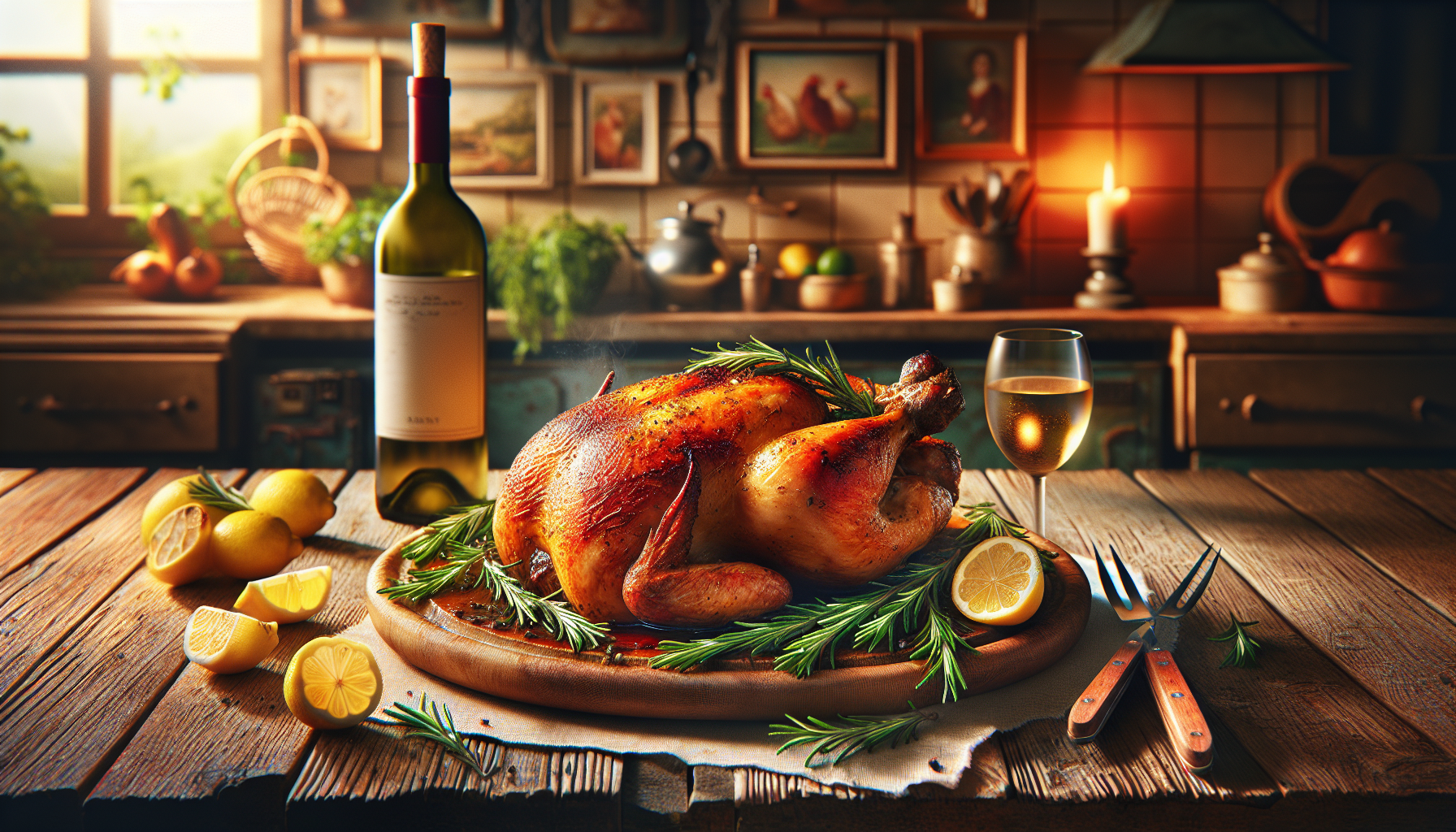
- Roasting: Ideal for meats and vegetables, roasting brings out natural flavors. Preheat the oven to ensure even cooking.
- Baking: This method is primarily for desserts and relies on precise measurements and temperatures.
3. Read and Understand Recipes
Don’t rush into cooking without reading your recipe thoroughly. Here are key points to consider:
- Ingredients: Make sure you have all the necessary ingredients before starting. This prevents mid-cooking trips to the grocery store.
- Prep Work: Complete all chopping, slicing, and measuring before cooking begins to streamline the process.
- Instructions: Pay attention to cooking times and temperatures, as they can significantly affect the outcome.
4. Learn the Importance of Mise en Place
Mise en place, French for “everything in its place,” refers to the practice of prepping and organizing your ingredients before cooking. This habit simplifies the cooking process and ensures efficiency.
- Prep and Organize: Chop vegetables, measure out spices, and have all ingredients ready before you turn on the stove.
- Use Small Bowls: Having your ingredients in small bowls makes it easier to add them to the recipe quickly and reduces the mess.
5. Seasoning Made Simple
Understanding how to season your food will elevate your cooking significantly. Here are some basics:
advertisement

- Salt: Use salt to enhance flavors, but be cautious not to overdo it, especially with pre-packaged ingredients.
- Pepper: Freshly ground black pepper provides more flavor than pre-ground. Adjust the amount according to your preference.
- Herbs and Spices: Fresh herbs like basil, parsley, and cilantro can brighten dishes. Learn to use spices like cumin, paprika, and cinnamon to add depth.
6. Meat, Poultry, and Seafood: Safe Handling
Learn how to properly handle and cook meats:
- Thawing: Always thaw meat in the refrigerator or using the defrost function on your microwave, not at room temperature.
- Cooking Temperatures: Familiarize yourself with safe internal temperatures for meats (e.g., 165°F for poultry).
- Marinating: Use acidic ingredients like vinegar or citrus juice to tenderize and flavor the meat.
7. Cooking Times and Temperature Control
Control over cooking times and temperature is vital:
- Low and Slow: Use lower heat for stews and braising to develop rich flavors.
- High Heat: Good for searing meat and quickly cooking vegetables to retain crunch and color.
- Preheating: Always preheat your oven or pan to ensure even cooking.
8. Utilize Fresh Ingredients
Using fresh ingredients not only enhances flavor but also improves the nutritional value of your meals.
- Local Markets: Visit farmers’ markets for seasonal fruits and vegetables.
- Frozen Alternatives: If fresh ingredients aren’t available, frozen can be just as nutritious and require less prep.
9. Practice Food Safety
Food safety is crucial in preventing foodborne illnesses:
- Hand Washing: Always wash your hands before cooking and after handling raw ingredients.
- Cross-Contamination: Use different cutting boards and utensils for raw meats and ready-to-eat foods.
- Storage: Store leftovers promptly. Most cooked foods can be refrigerated for three to four days.
10. Learn to Adapt Recipes
Gaining the confidence to adapt recipes can lead to culinary creativity:
- Substitutions: Learn common ingredient substitutions (e.g., using yogurt instead of sour cream).
- Adjusting Portions: Scale recipes up or down based on the number of servings needed.
11. Timing is Everything
Good timing can make or break a meal:
- Stagger Cooking Times: Start cooking items that take longer first (like grains or tougher cuts of meat) and add quicker-cooking items later.
- Resting Time: Allow cooked meat and baked goods to rest before cutting to retain moisture and flavor.
12. Clean as You Go
Maintaining cleanliness while cooking prevents stress and maintains safety:
- Countertop Clutter: Keep your workspace organized. This will help you find tools and ingredients easily.
- Dish Management: Fill the sink with warm, soapy water as you cook to make cleaning easier once you’re done.
13. Invest in Quality Ingredients
Quality ingredients can significantly affect the outcome of your meals:
- Oils: Choose good-quality olive oil for sautéing and dressings; it enhances flavor and is healthier.
- Butter: Use unsalted butter to have better control over the saltiness in your dishes.
14. Practice Patience and Persistence
Cooking is a skill that improves with practice:
- Repetition: Don’t hesitate to make the same recipe multiple times to perfect your technique.
- Experiment: Embrace mistakes. Each failed dish offers valuable lessons for future cooking adventures.
15. Explore Different Cuisines
Diving into various cooking styles can broaden your palate and skills:
- International Recipes: Experiment with dishes from different cultures; they often introduce unique ingredients and flavors.
- Local Ingredients: Use local ingredients to explore international cuisines; it’s an exciting way to discover new tastes.
16. Join Cooking Classes or Online Tutorials
Learning from experts can enhance your cooking abilities enormously:
- Community Classes: Check local cooking classes that cater to beginners.
- Online Resources: Utilize platforms like YouTube, where many chefs provide free tutorials on various cuisines and techniques.
17. Keep a Cooking Journal
Documenting your cooking experiences is an excellent way to learn:
- Recipe Adjustments: Note any changes you made to recipes and their outcomes.
- Taste Tests: Keep track of family or friends’ feedback to refine your approach.
18. Embrace Leftovers
Learning how to creatively use leftovers can minimize waste:
- Reinvent Dishes: Transform leftover proteins into salads, sandwiches, or soups.
- Storage Tips: Keep cooked items in clear, labeled containers to make them easy to use during the week.
19. Share the Experience
Cooking can be more enjoyable when done with others:
- Cook with Friends or Family: Invite someone to cook together, making the event more fun and less daunting.
- Family Meals: Try to set aside time for family meals, which can foster meaningful connections.
20. Enjoy the Process
Regardless of the end result, celebrating the journey of learning to cook is important:
- Trial and Error: Embrace the unpredictability of cooking; every attempt improves your skills.
- Take Time to Savor Your Meals: Sit down and enjoy the fruits of your labor, as this reinforces the joy of cooking.
By incorporating these essential cooking tips into your routine, you will not only improve your culinary skills but also gain confidence in the kitchen. With practice and patience, you can transition from a beginner to an accomplished home cook. Happy cooking!
advertisement