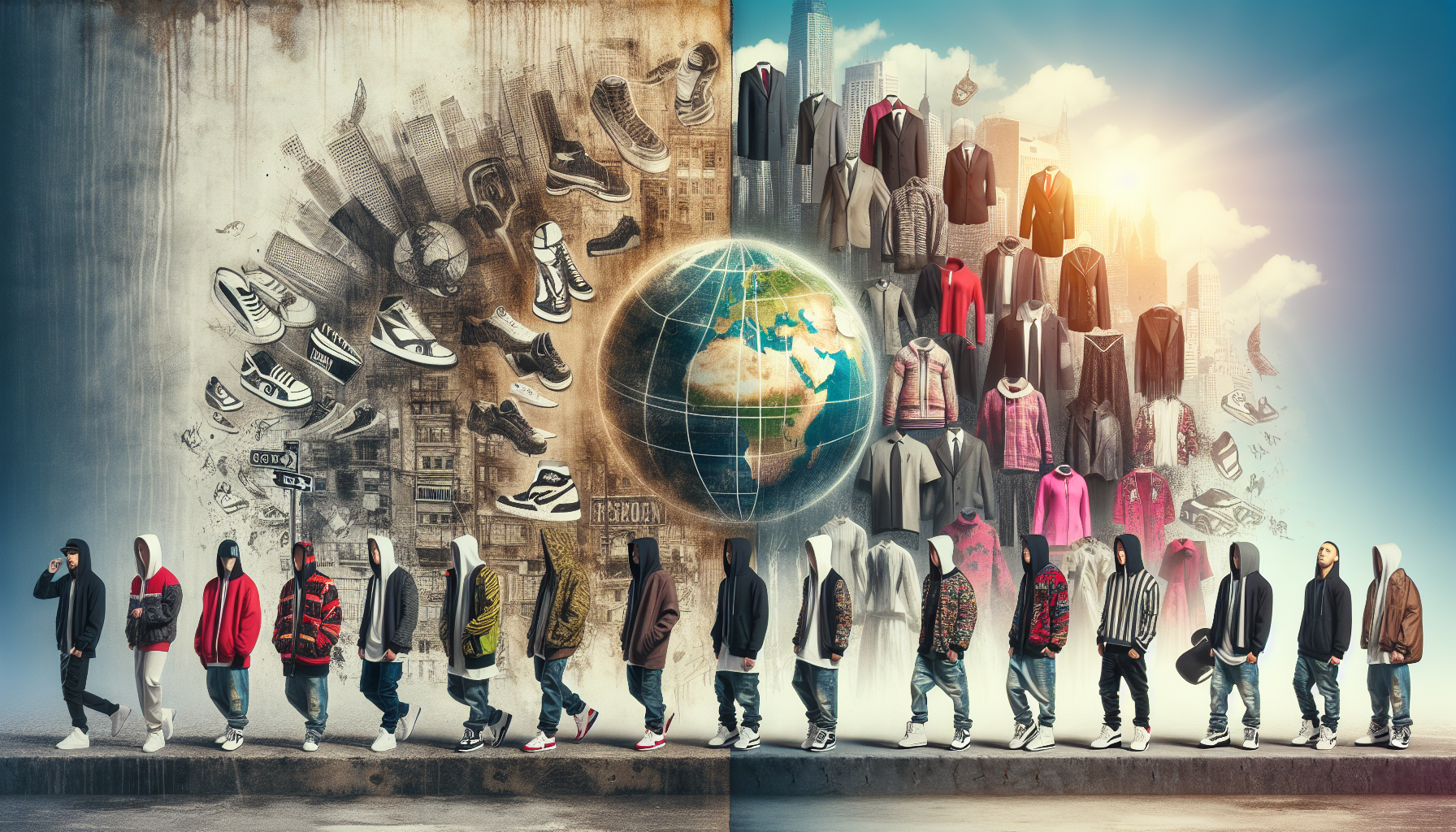
The Evolution of Streetwear: From Subculture to Global Phenomenon
The Roots of Streetwear: 1980s Skate and Surf Culture
To understand the rise of streetwear, one must first explore its origins in the 1980s. It emerged from the vibrant skate and surf subcultures of California. Influenced by punk rock music and the DIY ethic, early streetwear brands like Stüssy catered to skateboarders and surfers seeking stylish yet functional clothing. Stüssy’s founder, Shawn Stussy, began by hand-screening shirts, which resonated with the youthful ethos of individuality and rebellion.
Moreover, the rise of hip-hop culture during this decade introduced an additional dimension to streetwear. Artists and dancers began to showcase their personal style, wearing oversized clothing and bold graphics. Brands like Kangol and Adidas became synonymous with hip-hop fashion, gravitating towards a shared aesthetic that celebrated urban life.
The 1990s: The Golden Age and Cultural Crossroads
The 1990s marked a transformative era in streetwear, pushing it further into mainstream consciousness. The emergence of influential music genres such as hip-hop, grunge, and rave culture defined this decade. Brands like A Bathing Ape (BAPE), founded by Nigo in 1993, popularized graphic-heavy designs and limited releases, thus setting the stage for the ‘drop’ culture that would dominate streetwear in the following decades.
At the same time, skate brands like Supreme (founded in 1994) began to thrive by embracing the essence of New York City’s skate scene. Supreme’s collaborations with artists and designers propelled the brand’s allure beyond just skaters, drawing in a broader audience. The use of bold logos and the sense of exclusivity found in limited releases contributed to the brand’s desirability.
The 2000s: The Explosion of Online Culture
With the advent of the internet, streetwear began to exponentially proliferate in the 2000s. Online forums, blogs, and social media platforms facilitated the sharing of streetwear culture globally. Websites like Hypebeast emerged, providing much-needed information and discussion about brands, collaborations, and events. Online shopping made it easier for consumers worldwide to access the hottest pieces from their favorite brands.
advertisement

This decade also saw a burgeoning interest in sneaker culture, with brands like Nike and Adidas launching highly coveted limited-edition sneakers. People began to camp outside stores for hours, waiting for the chance to purchase a new release. Collaborations with high-profile designers and artists, like Kanye West’s collaboration with Nike, blurred the lines between streetwear and high fashion, paving the way for further mainstream acceptance.
Designer Collaborations: Bridging High Fashion and Streetwear
As streetwear gained traction, luxury brands began to recognize its cultural significance. Designers sought collaborations that could tap into the streetwear audience, prompting a seismic shift in the fashion landscape. The collaboration between Louis Vuitton and Supreme in 2017 illustrated this transformation. This collection, which targeted both streetwear enthusiasts and luxury consumers, became a monumental success, symbolizing the merging of the two worlds.
Moreover, iconic names like Virgil Abloh’s Off-White and Kim Jones at Dior brought streetwear aesthetics to high fashion runways. Abloh’s unique approach, which fused streetwear with luxury sensibilities, marked a paradigm shift in fashion discourse, emphasizing the importance of cultural relevance.
The Role of Influencers and Celebrities
The rise of social media has profoundly impacted streetwear’s reach. Influencers and celebrities like Travis Scott, Rihanna, and Tyler, The Creator propelled streetwear into everyday conversation. As these stars showcased their unique styles through social media platforms like Instagram, the visibility of streetwear exploded.
Following this trend, brands capitalized on influencer culture. Collaborations with celebrities became strategic marketing moves, creating hype around releases. The actions of influential figures drove consumers, often referred to as “hypebeasts,” to pursue products fervently, sparking “drop” phenomena where pieces sell out within minutes.
Global Expansion: The Role of Markets and Cultural Exchanges
Streetwear transcended geographical borders, expanding into global markets. Cities like Tokyo, London, and Paris became cultural epicenters, each adding their unique flair to the streetwear conversation. Japanese streetwear brands like Neighborhood and Visvim emerged as powerhouses, influencing design aesthetics worldwide.
In Europe, brands like Palace Skateboards emerged from the UK scene, known for their playful graphics and irreverent designs. This global exchange allowed streetwear to evolve continually, integrating various cultural influences to create something entirely fresh yet familiar.
Sustainability and Ethical Considerations in Streetwear
With the increasing popularity of streetwear, challenges surrounding sustainability arose. Many brands faced criticism for fostering a culture of overconsumption and encouraging a throwaway attitude towards fashion. In response, some streetwear labels have started incorporating sustainable practices into their production processes.
Brands like A.P.C. and Stüssy have launched eco-friendly collections, while other companies focus on using sustainable materials and ethical labor practices. This shift towards sustainability has resonated with a new generation of consumers, emphasizing that fashion can be both stylish and responsible.
The Future of Streetwear: Trends and Innovations
Streetwear continues to evolve, reflecting changing consumer attitudes and technological advancements. As the landscape shifts towards digital experiences, virtual fashion is beginning to emerge as a realm within streetwear. The incorporation of augmented reality (AR) and virtual reality (VR) into shopping experiences is a trend that forward-thinking brands are exploring, creating immersive environments for consumers.
Moreover, the hype surrounding metaverse fashion showcases the blurred lines between the physical and digital worlds. Brands are beginning to create virtual clothing for avatar customization, redefining what it means to shop and wear fashion.
The Making of Cult Followings: Community and Identity
At its core, streetwear is about community and self-expression. The culture fosters connections among individuals who share interests, creating communities based on a collective passion for style. Streetwear brands often actively engage with their customer base, utilizing social media platforms to create dialogue.
In addition, the rise of local pop-up shops and community-driven events strengthens the bond between brands and consumers. Emphasizing a sense of belonging, these initiatives allow individuals to express their personal style while supporting their local scene.
Conclusion: Streetwear’s Future Influence
Streetwear’s journey from a niche subculture to a global phenomenon underscores the dynamic and ever-evolving nature of fashion. Its roots in skate, surf, and hip-hop culture laid the foundation for a style that champions individualism while adapting to contemporary societal changes. The intersection of streetwear and high fashion presented a paradigm shift, reinforcing the importance of cultural context in design.
Through online engagement, celebrity endorsements, and sustainability practices, streetwear will continue to resonate with diverse audiences worldwide, shaping the future of the fashion industry. As consumers increasingly prioritize personal style and cultural significance, streetwear holds the potential to redefine what it means to wear fashion in the modern age.
In the coming years, one can anticipate even more groundbreaking movements within this genre, propelling streetwear toward an innovative and culturally relevant future. The ongoing dialogue between its grassroots origins and its place in high fashion will continue to define its trajectory. Streetwear, at its heart, will remain a reflection of community, identity, and the distinct voices of those who wear it.
advertisement