The Rise of Sustainable Designer Fashion
Understanding Sustainable Fashion
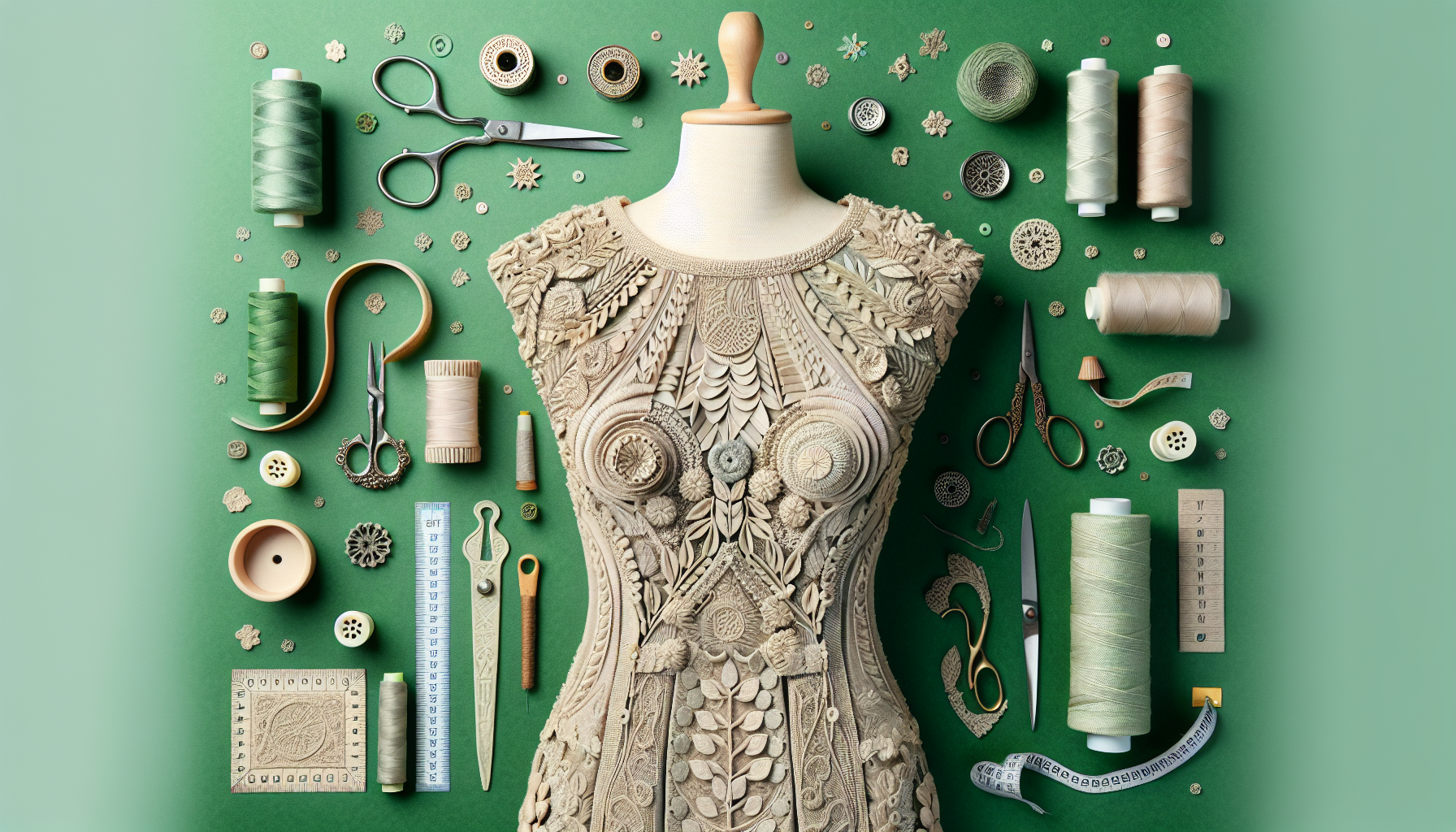
Sustainable designer fashion refers to the movement within the fashion industry that prioritizes ecological integrity and social justice. Unlike traditional fashion, which often embraces wasteful production techniques and fast fashion cycles, sustainable fashion is characterized by ethical practices, environmentally friendly materials, and a commitment to transparency in sourcing and production. The core aim is to create clothing that minimizes environmental impact while ensuring fair labor conditions for workers.
Historical Context
The term ‘sustainable fashion’ gained traction in the late 20th century as environmental concerns began gaining mainstream attention. However, the roots of sustainable design are deeply embedded in movements for ethical labor and ecological awareness that date back decades. The rise of organizations like the World Fair Organisation in the 1940s highlighted the importance of fair labor practices and laid the groundwork for modern sustainable fashion initiatives.
Throughout the 1990s and early 2000s, the conventional fashion industry’s environmental footprint became impossible to ignore, leading to a wave of critical documentaries, such as The True Cost (2015), which illuminated the harmful impacts of fast fashion. This contributed to a consumer shift towards brands dedicated to sustainability, laying the foundation for the niche of sustainable designer fashion.
Key Players in Sustainable Designer Fashion
The rise of sustainable designer fashion is mirrored in the emergence of brands that have made it their mission to embrace a more ethical approach to design and production. Notable players like Stella McCartney have been at the forefront, often using innovative materials like bio-acetate and recycled polyester. McCartney’s luxury brand successfully marries high fashion with environmental consciousness, proving that sustainability doesn’t require sacrificing style or elegance.
Another significant force in this sector is Roksanda Ilincic, who integrates sustainable practices without compromising on aesthetics. Her focus on craftsmanship and quality over quantity has resonated with consumers seeking unique pieces that tell a story.
advertisement

Newer brands like Reformation and Eileen Fisher also capture the essence of sustainable fashion by emphasizing eco-friendly materials, ethical labor practices, and a commitment to minimizing waste. The widespread appeal of these brands showcases how sustainable fashion can cater to wider consumer demographics, including Gen Z and Millennials who prioritize ethical consumption.
Materials and Innovations
A significant aspect of sustainable designer fashion is the materials used. Traditional fabrics often come with high environmental costs, but sustainable fashion champions alternative fabrics, including organic cotton, Tencel (lyocell), hemp, and recycled materials like plastic bottles. Innovative textiles, such as Piñatex (made from pineapple leaf fibers) and mushroom leather, offer eco-friendly substitutes for conventional materials while maintaining luxury aesthetics.
Biodegradability is another critical factor, which has prompted designers to explore organic materials that break down naturally after disposal. Additionally, advancements in technology have allowed for the development of new textiles that require less water, are dyed with non-toxic processes, and can be produced under ethical conditions.
Circular Fashion Model
At the heart of sustainable designer fashion lies the circular economy, a framework designed to minimize waste through reuse and recycling. This model promotes a shift away from the linear ‘take-make-dispose’ fashion paradigm. Forward-thinking brands are now experimenting with take-back programs, allowing consumers to return worn items, which can be repaired, resold, or recycled.
High-profile initiatives by brands such as Patagonia and Nudie Jeans have illustrated the potential for this model to disrupt the fast fashion cycle. By encouraging consumers to view clothing as an investment rather than disposable commodities, the circular model fosters a deeper connection between consumers and their wardrobes.
Impact on Consumer Behavior
Consumer awareness has evolved significantly, with more people recognizing the environmental and social implications of their buying decisions. Millennials and Gen Z, in particular, are at the forefront of this shift, demanding transparency and ethical practices from the brands they support. Studies indicate that 70% of consumers are willing to pay more for sustainability, signaling a profound change in market dynamics.
The rise of social media platforms has greatly influenced this movement as well. Influencers and activists advocate for sustainable fashion, creating a blend of lifestyle and ethical messaging that resonates with followers, amplifying sustainable practices, and encouraging a culture of mindful shopping.
The Role of Technology
Technology plays a vital role in fostering sustainability within the designer fashion realm. Digital platforms and e-commerce have allowed sustainable brands to reach a global audience without the need for traditional retail overhead costs. Virtual design technology is also helping to streamline production processes, reduce waste, and enable a more efficient supply chain.
Artificial intelligence is proving instrumental in predicting consumer trends and optimizing inventory levels, thereby minimizing overproduction—a significant issue in the fashion industry. Innovations like 3D printing are paving the way for uniquely crafted designs that use less material and energy.
Challenges Ahead
Despite its rise, sustainable designer fashion faces several challenges. One significant hurdle is the ongoing prevalence of fast fashion, which continues to dominate the market due to its affordable pricing and rapid trend turnover. Brands often struggle to compete with low-priced garments, making it challenging to educate consumers on the long-term value of sustainable alternatives.
Additionally, the lack of standardization in sustainability practices presents another issue. Brands may vary widely in their definitions and implementations of ‘sustainable’ practices, leading to consumer confusion. It’s essential for the industry to develop standardized metrics for sustainability that can be easily communicated across platforms.
Fashion Weeks Go Green
Fashion weeks around the world have started to embrace sustainability. Major events like New York Fashion Week and Paris Fashion Week are increasingly featuring sustainable designers and eco-focused collections. Initiatives encourage established designers to incorporate sustainable practices and provide a platform for emerging sustainable brands.
Collaborative efforts such as Fashion for Good aim to bring together various stakeholders—brands, suppliers, and consumers—focused on accelerating the transition to a circular fashion economy. These partnerships involve sharing knowledge and resources, leveraging technology, and creating frameworks that drive systemic change in the fashion industry.
The Future of Sustainable Designer Fashion
As the fashion industry evolves, the potential for sustainable designer fashion to take center stage appears promising. As awareness grows and consumers increasingly prioritize sustainable options, designers face the unique opportunity to innovate continually. Fashion shows may one day transform into showcases of sustainability, with brands highlighting their ethical practices, eco-friendly materials, and collaboration efforts.
The trajectory of sustainable designer fashion suggests a future where luxury and sustainability are inherently linked, redefining not just how we perceive fashion, but also how we engage with it as an expression of our values and commitments to the planet. The burgeoning field has set the stage for innovation, creativity, and transformation, resonating with a new generation that seeks to change the narrative of fashion towards one of sustainability and ethical practices.
Final Thoughts
The tide is shifting towards a sustainable future within the designer fashion space, driven by consumer demand, innovative materials, and the commitment of pioneering brands to redefine luxury. As the world continues to grapple with climate change and ethical labor concerns, the journey toward sustainable fashion is both necessary and urgent, opening doors to endless possibilities for the industry and consumers alike as they navigate this new paradigm. The rise of sustainable designer fashion is, without a doubt, a call to action for all stakeholders to rethink their role in a system that is increasingly conscious of its environmental and social footprint.
advertisement