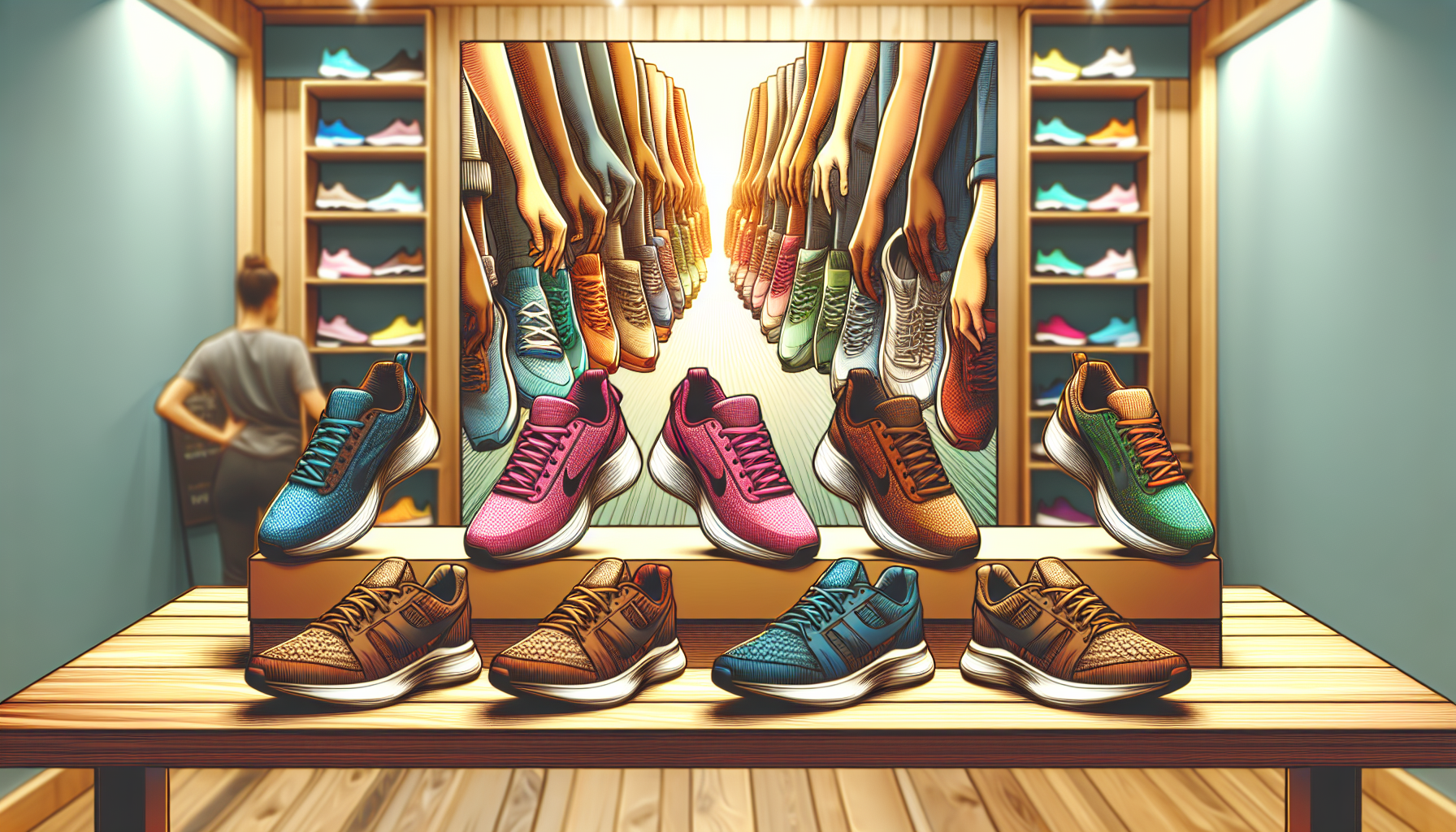
The Ultimate Guide to Choosing the Perfect Running Shoes
Understanding Your Feet
Foot Types
To find the perfect running shoes, start by understanding your foot type. There are three primary types of arches:
-
Neutral Arch: This is an ideal foot type where the arch is neither too high nor too low. Runners with neutral arches typically require shoes that provide a balance of support and cushioning.
-
Flat Feet (Low Arch): Runners with flat feet generally exhibit low arches, which can lead to overpronation (foot roll inward). Shoes with motion control and stability features are best for this foot type.
-
High Arch: Individuals with high arches tend to underpronate (foot roll outward), requiring additional cushioning to absorb impact. Cushioned shoes are recommended for this foot type.
Assessing Your Foot Shape
Foot width and shape can significantly affect shoe fit. Some runners have wider forefeet, narrow heels, or unique foot shapes. Visit a specialty running store for a fitting that considers both length and width to avoid blisters and discomfort.
Understanding Your Running Style
Gait Analysis
A gait analysis can help determine how your foot strikes the ground during running. This process evaluates your running form, identifying whether you overpronate, under-pronate, or have a neutral gait. Many running stores offer this service, which can be done on a treadmill or with pressure sensors.
Running Environment
Different terrains can influence your shoe choice significantly:
-
Road Running: Lightweight shoes with good cushioning and support are recommended for paved surfaces.
-
Trail Running: Trail shoes feature aggressive tread patterns for better grip and durability against rocks and roots.
-
Track Running: Look for lightweight, flexible shoes with minimal support, which can facilitate speed.
-
Treadmill Running: Choose comfortable, well-cushioned shoes, considering that the treadmill surface is more forgiving than outdoor environments.
Shoe Features to Consider
Cushioning
The right amount of cushioning is crucial for comfort and performance. Shoes with ample padding absorb impact, while minimalist shoes provide little cushioning for a more natural feel. Consider your mileage, running goals, and personal preference when selecting the level of cushioning.
advertisement

Stability
Stability shoes can correct excessive motion during running. They feature support elements alongside foam materials, safeguarding against overpronation. If you experience frequent injuries, consider adding stability features to your shoes.
Weight
Lightweight shoes favor speed and efficiency, ideal for racing or faster training sessions. However, they may lack some cushioning and protection. Heavier shoes typically offer increased support and durability, perfect for long-distance running.
Drop
The drop refers to the difference in height between the heel and the forefoot. Traditional running shoes have a higher drop (between 10-12mm), providing more heel cushioning, while minimalist shoes may have a drop of 0-4mm for a more grounded experience.
Breathability and Materials
Selecting shoes made from breathable materials ensures foot temperature management and moisture-wicking, preventing blisters and discomfort. Look for mesh or engineered knit upper materials for better breathability.
Traction
Good traction is essential for maintaining stability and momentum. Pay attention to the outsole material and pattern. Road running shoes typically have smoother soles, while trail running shoes feature deeper treads for grip on uneven surfaces.
Trying on Shoes
Time of Day
Your feet swell throughout the day, especially after activity. Shopping for shoes in the evening can help you find a more accurate fit.
Wear Your Usual Socks
Bring the socks you usually wear while running to the store. This will give you a more precise fit in your potential new shoes.
Test Them Out
When trying on shoes, walk or run around the store. Ensure there’s enough room in the toe box—your toes should not hit the front of the shoe. There should also be minimal friction at the heel.
Check for Comfort
Assess comfort levels by standing on your toes and applying weight to different parts of the shoes. They should feel snug yet not tight; discomfort could mean you need a different size or style.
Common Mistakes When Choosing Running Shoes
Ignoring Specialty Stores
Non-specialty stores may have limited knowledge and an inadequate selection of running shoes. Opt for specialty running stores with knowledgeable staff who understand various brands and shoe technologies.
Overlooking Replacement Timelines
Running shoes generally last between 300 to 500 miles. Neglecting to replace worn-out shoes can lead to injuries. Track your mileage or designate a calendar reminder for replacements.
Focusing Solely on Brand Names
While some brands are popular among professional runners, they might not suit your feet. Focus on comfort, fit, and the features necessary for your foot type rather than on brand reputation.
Forgetting About Terrain-specific Shoes
Avoid using road shoes on trails and vice versa; the design differences can inhibit proper performance and increase injury risk.
Maintenance of Running Shoes
Cleaning
Keep your shoes clean. Wipe down the exterior with a damp cloth, and remove insoles to air dry after use. Avoid putting shoes in the washing machine as agitation can damage their structure.
Storage
Store your shoes in a cool, dry place away from excessive heat or humidity. This prevents mold growth and material breakdown.
Rotation
Consider rotating between two pairs of shoes to prolong the life of each pair. Rotating allows the materials to decompress and regain shape, enhancing durability.
Recommended Running Shoe Brands
Brooks
Brooks is renowned for comfort and running shoe technology. Popular models like the Ghost and Adrenaline GTS cater to various foot types and preferences.
ASICS
ASICS is known for excellent cushioning and support, suitable for pronators. The Gel-Kayano and Gel-Nimbus models are ideal for long-distance runners.
Hoka One One
Known for their maximalist cushioning, Hoka One One shoes like the Bondi and Clifton provide exceptional comfort while remaining lightweight, making them popular among ultra-marathoners.
Nike
Nike offers a broad range of running shoes that appeal to various styles. The Nike Zoom series combines lightweight design with responsive cushioning.
New Balance
With a reputation for fitting wider foot shapes, New Balance offers supportive options, including the Fresh Foam and 860 models.
Custom Shoe Options
Custom Orthotics
For runners with specific foot issues or those seeking additional support, custom orthotics offer tailored arch and footbed shapes. An expert can create insoles that stabilize positioning during running.
Bespoke Shoes
Some brands provide bespoke shoe options that allow personalized adjustments for fit and support. While more expensive, this option can yield shoes that cater perfectly to individual needs.
Trial and Error
The journey to the perfect running shoe may require trying different brands and shoe types. Be open to experimenting until you find the one that feels ideal. Consult with other runners or specialists about their experiences, but remember that your unique foot dynamics will ultimately guide your selection process.
Important Takeaway
Investing in the right running shoes enhances performance, encourages enjoyment, and can significantly reduce injury risk. Each runner’s journey is unique, so prioritize your comfort and needs. Take the time to understand your foot type, assess your running style, and consider all features before making a purchase—your feet will be grateful!
advertisement