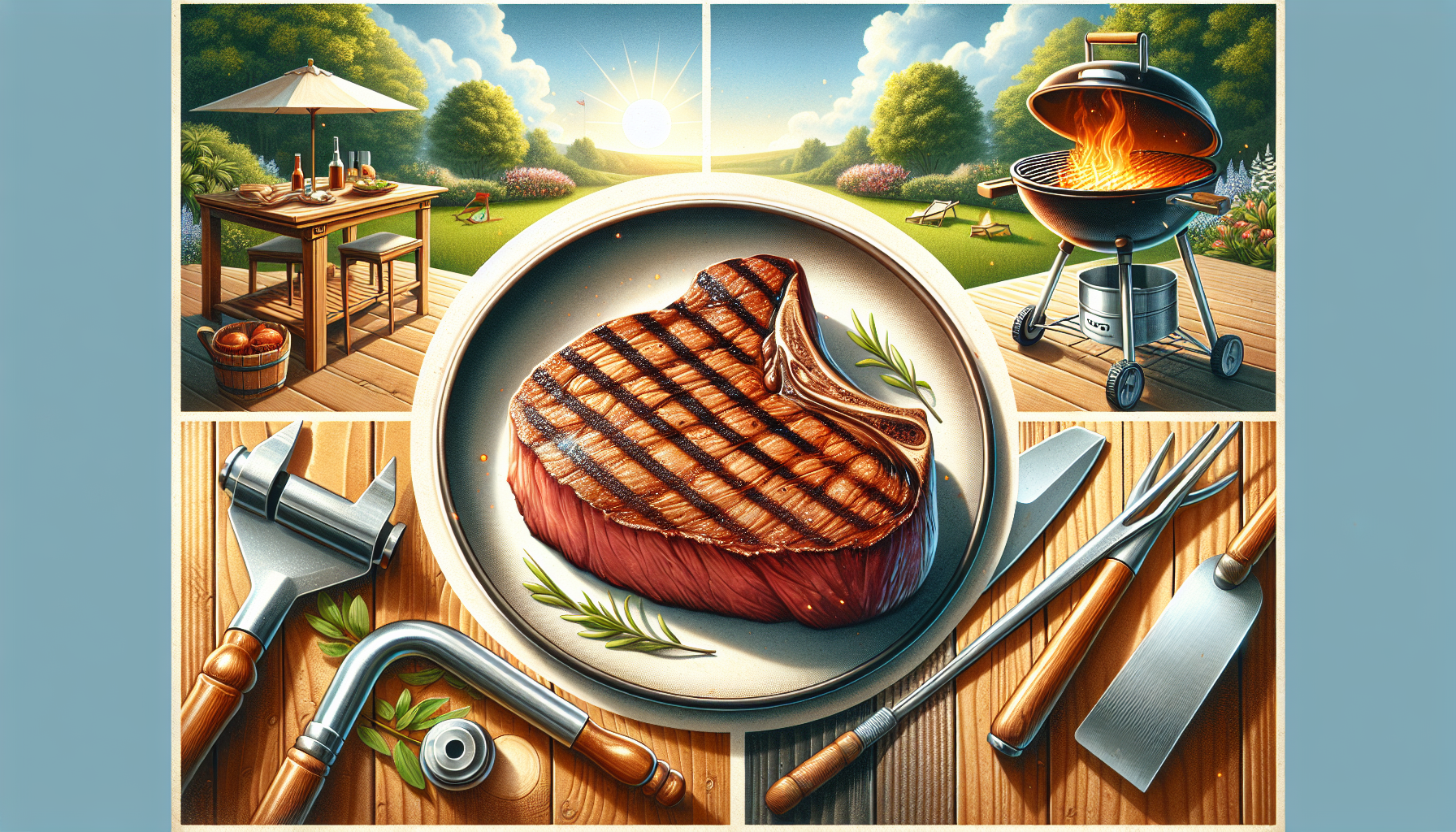
Understanding Steak Cuts
Choosing the right cut of steak is crucial for grilling perfection. Common cuts include:
-
Ribeye: Known for its rich marbling, ribeye steaks are flavorful and juicy. They often have a good balance of fat and meat, providing a tender texture when cooked perfectly.
-
Filet Mignon: This cut comes from the tenderloin and is renowned for its buttery tenderness. It’s leaner than ribeye, but still delivers impressive flavor.
-
New York Strip: This cut features a good amount of marbling and is known for its robust flavor and moderate tenderness. It offers a good balance for those seeking both taste and texture.
-
T-bone: A combination of the filet and strip steak, T-bones are perfect for those who want the best of both worlds. They have a bone that contributes to added flavor.
-
Flank: This lean cut comes from the abdominal muscles and has a strong, beefy flavor. Flank steak needs careful cooking to avoid toughness and is best sliced thinly against the grain.
-
Sirloin: A versatile cut that can be flavorful and relatively tender. Sirloin steaks are generally more affordable and offer a good option for mass grilling.
Understanding these cuts helps you select the right steak for your grilling needs, ensuring you cater to the preferences of your guests.
Preparing Your Steak
Proper preparation is the key to enhancing the flavor and texture of your steak. Follow these steps:
Trimming the Steak
If the steak has a significant amount of silverskin or excess fat, trim these off. However, be careful not to remove all the fat, as it contributes essential flavor during the cooking process.
Seasoning
Simple seasoning can often yield the best results. Here are essential steps:
advertisement

-
Salt: Use kosher salt or sea salt for a more substantial texture. Salt helps to enhance the natural flavors of the meat. It’s advised to season the steak at least 40 minutes before grilling or even overnight for maximum flavor absorption.
-
Pepper: Freshly cracked black pepper adds a necessary bite. Use it in moderation to allow the steak’s natural flavor to shine.
-
Additional Spices: For those wanting unique tastes, consider garlic powder, onion powder, or smoked paprika. However, ensure that these additional flavors do not overpower the meat’s natural quality.
Marinating
Marinating can add an extra layer of flavor but should be done with care to avoid overpowering the meat. A simple marinade made with olive oil, vinegar, garlic, and herbs for a couple of hours—or a few minutes for a more straightforward preparation—can provide a delightful enhancement.
The Right Equipment
Having the right tools and equipment can greatly enhance your grilling craftsmanship. Here is what you’ll need:
Grill Types
-
Charcoal Grills: Charcoal adds a distinct smoky taste. It requires a bit more work to maintain consistent temperatures but can deliver an unbeatable flavor.
-
Gas Grills: For those who want convenience and control, gas grills are an excellent option. They heat up quickly and are easy to maintain.
-
Pellet Grills: For those who appreciate both smoking and grilling, pellet grills offer versatility, combining electric and wood flavors with ease of use.
Thermometer
A reliable meat thermometer is essential. It ensures that you cook the steak to the desired internal temperature. Aim for:
- Rare: 120-130°F
- Medium Rare: 130-135°F
- Medium: 135-145°F
- Medium Well: 145-155°F
- Well Done: 155°F and above
Grill Tools
-
Tongs: A good pair of tongs is essential for flipping and moving your steaks without piercing the meat.
-
Spatula: A spatula can be handy for larger cuts of meat that may need to be flipped more gently.
-
Basting Brush: Use a basting brush for applying oils or marinades during grilling for additional flavor.
Grilling Techniques
Preheating the Grill
Preheating is essential for creating those coveted grill marks and locking in juices. For gas grills, turn on high and allow 10-15 minutes. For charcoal, let the coals ash over until they are evenly coated in white before adding your steak.
Creating Two Zones
For charcoal grilling, create two heat zones; one side for direct heat (high heat) and another for indirect cooking (lower heat). This allows you to sear the steak on high heat and then move it to the cooler side to finish cooking through without charring.
Searing
Place the steak directly over the high heat for 3-4 minutes, until it develops a nice crust. Avoid moving the steak for the first few minutes to allow proper searing.
Flipping
Use tongs to flip the steak gently. Only turn it once for classic grill marks and enhanced flavor. After flipping, lower heat to ensure it cooks evenly without burning.
Basting
If desired, you can baste the steak with butter mixed with herbs or garlic during the last few minutes of cooking for added richness and flavor.
Knowing When It’s Done
The best way to determine doneness is by checking the internal temperature with a meat thermometer. Always insert the probe into the thickest part of the meat, avoiding the bone if you’re using cuts with bones. Also, remember to allow the steak to rest after grilling. This typically involves letting it sit for 5 to 10 minutes to allow juices to redistribute throughout the meat, ensuring each bite is tender and juicy.
Serving Your Steak
The presentation of your steak can elevate your meal. Slice your steak against the grain for tenderness and arrange it on a platter. You can add fresh herbs on top for a splash of color. Serve with classic sides such as grilled vegetables, baked potatoes, or a fresh salad.
Steak Sauces
While many argue that a perfectly cooked steak doesn’t need sauce, offering a few choices might appeal to various palates. Prepare a Chimichurri sauce, a rich Bearnaise, or simply provide high-quality steak sauce as a counterpoint to the natural flavors of the meat.
Grilling Tips for Success
-
Don’t Overcrowd the Grill: Give each steak ample space to allow for even cooking and that perfect sear.
-
Experiment with Wood Chips: Add soaked wood chips to your charcoal for an additional flavor infusion. Hickory and mesquite are popular options that pair well with beef.
-
Know Your Grill: Each grill has its personality. Understanding how it heats and cooks can significantly enhance your skillset.
-
Practice Patience: Resist the temptation to poke or prod your steak too often. Let it do its thing, and you will be rewarded with juicy, flavorful meat.
With these techniques, tools, and insights, you’ll be well on your way to mastering the art of grilling the perfect steak, impressing family and friends with your culinary prowess.
advertisement