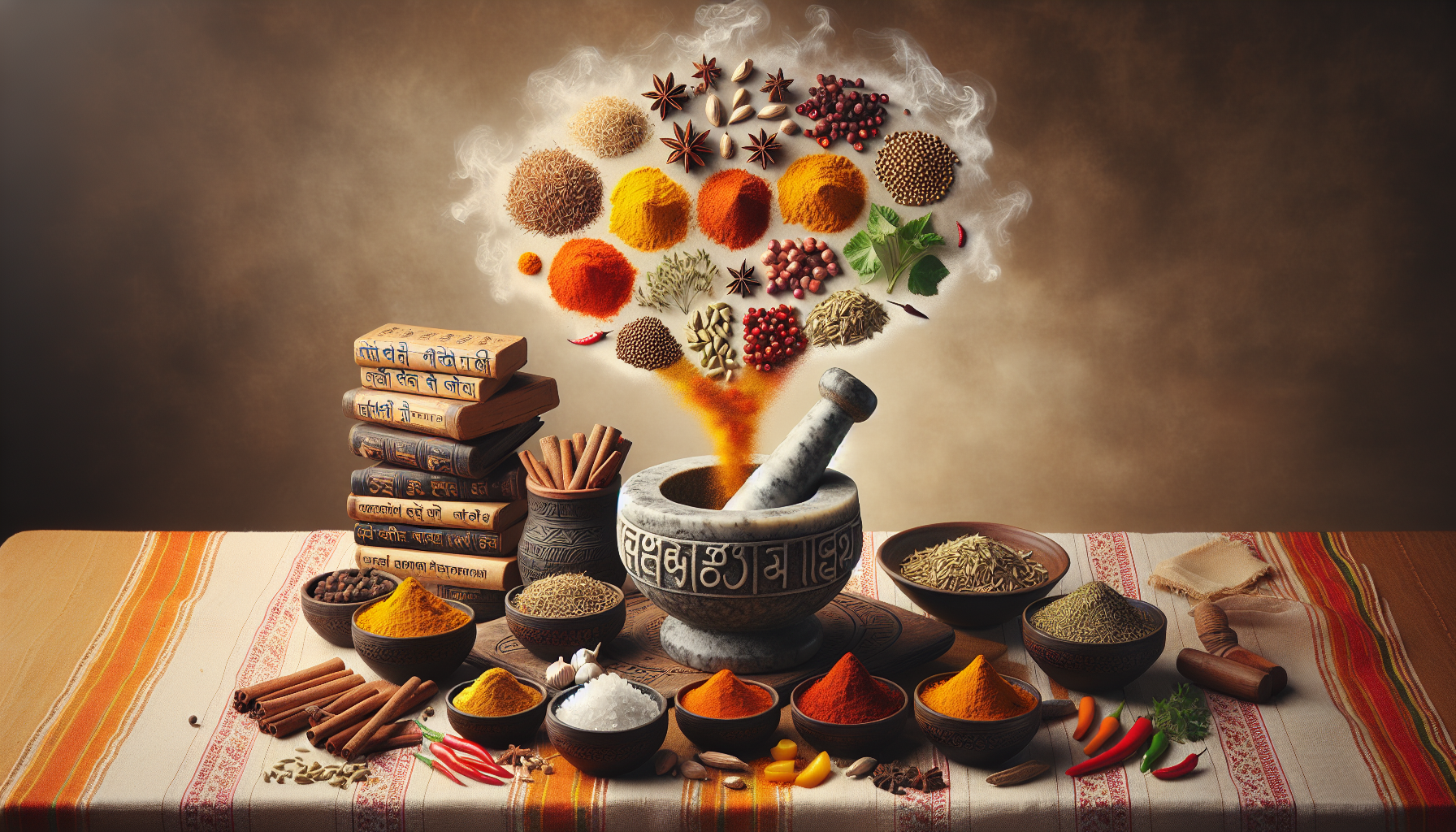
Exploring the Spice Symphony of Indian Cuisine
Understanding Indian Spices
Indian cuisine is a vibrant tapestry of flavors, colors, and aromas, making it one of the most celebrated culinary traditions globally. Central to this cuisine is its extensive use of spices, which transform ordinary ingredients into extraordinary dishes. To fully appreciate Indian food, it’s essential to explore the role of spices, their types, and how they are utilized in cooking.
The Role of Spices in Indian Cooking
Spices in Indian cooking are more than mere flavor enhancers; they are integral in defining the dish’s character. Each spice carries health benefits and adds a unique aroma, color, and taste. The art of balancing these spices is what distinguishes Indian culinary techniques from others.
Key Spices in Indian Cuisine
1. Cumin (Jeera)
Characteristics and Uses: Cumin seeds are small, elongated, and brown, and possess a warm, earthy flavor. Cumin is often dry-roasted before being ground to release its essential oils. This spice is a staple in many Indian preparations, especially in lentils, curries, and various pickles.
Health Benefits: Cumin aids digestion and is a source of iron, which is vital for maintaining healthy blood levels.
2. Coriander (Dhania)
Characteristics and Uses: Coriander seeds are used whole or powdered, imparting a mild, sweet, and citrusy flavor. This spice is a key component in spice blends like garam masala and is commonly used in sambars, curries, and chutneys. Coriander leaves are also used as a garnish.
advertisement

Health Benefits: Coriander has anti-inflammatory properties and is beneficial for digestive health.
3. Turmeric (Haldi)
Characteristics and Uses: Turmeric is a bright yellow root that yields a vibrant powder. Known for its earthy and slightly bitter flavor, turmeric is often used in curries, lentil dishes, and for its coloring properties. Its ability to provide a golden hue is iconic in dishes like biryani and saffron rice.
Health Benefits: Curcumin, the active ingredient in turmeric, is renowned for its anti-inflammatory and antioxidant effects, making it a staple in home remedies.
4. Mustard Seeds (Rai)
Characteristics and Uses: Mustard seeds vary in color, including black, yellow, and brown. When heated, they pop and release a nutty flavor. They are crucial in South Indian cooking, especially in tempering and added to pickles.
Health Benefits: Mustard seeds are known to boost metabolism and are rich in selenium and magnesium.
5. Cardamom (Elaichi)
Characteristics and Uses: Cardamom, often referred to as the “queen of spices,” comes in green and black varieties. Green cardamom is typically used in both sweet and savory dishes for its strong, aromatic flavor. Black cardamom has a more smoky flavor and is often used in meat dishes.
Health Benefits: Cardamom is known to improve oral health, reduce blood pressure, and enhance digestion.
Essential Spice Blends
Garam Masala
Composition and Usage: Garam Masala is a mixture of ground spices, usually including cardamom, cloves, cumin, coriander, and cinnamon. This blend offers a complex flavor and is often added at the end of cooking to preserve its aroma.
Culinary Application: Used in various dishes such as chicken tikka masala and paneer butter masala, garam masala elevates the taste profile significantly.
Curry Powder
Composition and Usage: Curry powder is a Western invention, reflecting the rich spices of Indian cuisine. It often contains turmeric, coriander, cumin, and chili powder, among other spices.
Culinary Application: This blend is versatile and can be used in a range of dishes, including vegetable curry, chicken curry, and lentils.
Panch Phoron
Composition and Usage: Panch Phoron is a five-spice blend consisting of mustard seeds, cumin seeds, fenugreek seeds, nigella seeds, and fennel seeds. It is commonly used in Bengali cuisine and is typically added to hot oil to release its flavors.
Culinary Application: Ideal for tempering dals or vegetables, it adds a unique complexity to many dishes.
Regional Spice Profiles
North Indian Cuisine
North India is known for its rich and fragrant dishes characterized by the use of dairy and robust spices. Dishes like butter chicken and paneer tikka are laden with spices like garam masala and cream, resulting in complex, creamy flavors.
Signature Dishes: Butter Chicken, Rogan Josh, Dal Makhani.
South Indian Cuisine
The cuisine of South India is dominated by rice and lentils and features a variety of spices such as mustard seeds and curry leaves. Dishes are often lighter versus their northern counterparts and prominently feature coconut, tamarind, and chili.
Signature Dishes: Dosa, Sambar, and Rasam.
East Indian Cuisine
Bengali cuisine is known for its subtlety and emphasis on fresh fish, lentils, and vegetables. The use of spices like panch phoron adds depth but typically in milder quantities.
Signature Dishes: Fish Curry, Chingri Malai Curry, Sandesh.
West Indian Cuisine
Western India, especially Rajasthan and Gujarat, employs a distinct array of spices, and the food can be quite spicy. Dishes often incorporate gram flour and are known for their unique sweets.
Signature Dishes: Dhokla, Dal Baati Churma, and Puran Poli.
The Art of Pairing Spices
Contrasting Flavors
In Indian cuisine, contrasting flavors play an essential role. For instance, the sweetness of jaggery balances the spiciness of chili, while the acidity of tamarind can balance richer, creamier dishes.
Spice and Ingredient Compatibility
Understanding which spices pair well with specific ingredients is crucial in Indian cooking. For example, cumin and coriander complement lentils, while cardamom enhances sweet dishes.
Cooking Techniques That Enhance Spice Flavor
Tempering (Tadka)
Temperatures and the cooking method are vital in bringing out spices’ best flavors. Tempering is the process of frying spices in hot oil to release their essential oils, creating a flavorful base for curries or dals.
Marination
Marination with spices not only infuses flavor but also tenderizes meats, making them succulent. Chicken tikka, for instance, benefits immensely from marinating in yogurt and spices.
Slow Cooking
Slow cooking allows spices to meld together, leading to a more profound flavor profile. Dishes like dum biryani thrive on gradual cooking methods that allow time for the ingredients to absorb each other’s flavors.
Spice Storage and Freshness
To maintain the integrity of spices, proper storage is crucial. Whole spices should be stored in airtight containers away from sunlight to retain flavor longer. Ground spices, however, tend to lose potency more quickly and should be purchased in smaller quantities.
The Global Influence of Indian Spices
Indian spices have made their mark internationally, inspiring global cuisine and modifications in cooking techniques. The growing popularity of Indian restaurants worldwide has heightened demands for authentic flavors, lending to more multicultural fusion dishes at home.
Recipes Featuring Indian Spices
Masala Chai
A blend of tea leaves infused with various spices such as cardamom, clove, and ginger, this warming beverage is deeply rooted in Indian culture. Simple to prepare, it begins by boiling water, milk, and sugar, then adding the tea leaves and spices to steep.
Chicken Tikka Masala
This crowd-pleaser involves marinating chicken in yogurt and spices like cumin and coriander, before roasting and simmering it in a rich, spiced tomato sauce. Served with naan or rice, it showcases spices’ transformative power.
Paneer Butter Masala
Cubed paneer cooked in a rich sauce of cream, tomatoes, and a blend of spices, including garam masala and turmeric. This dish exemplifies North Indian cuisine’s indulgent nature and highlights the versatility of spices.
Exploring India’s Spice Markets
For those interested in immersing themselves in Indian spices, visiting local spice markets is an unforgettable experience. Markets like Khari Baoli in Delhi and the Spice Market in Kolkata offer an array of spices, colors, and textures, making it easy to see why India is dubbed the “Land of Spices.” Here, one can learn about traditional spice varieties and even engage in the process of selecting them.
Conclusion
Exploring the spice symphony of Indian cuisine reveals a world rich in flavors and traditions. Understanding the underlying roles of key spices, regional influences, and cooking techniques empowers cooks and enthusiasts alike. Embracing these elements not only transforms cooking at home but also fosters an appreciation for the history and culture that underpins India’s gastronomical spectacle.
advertisement