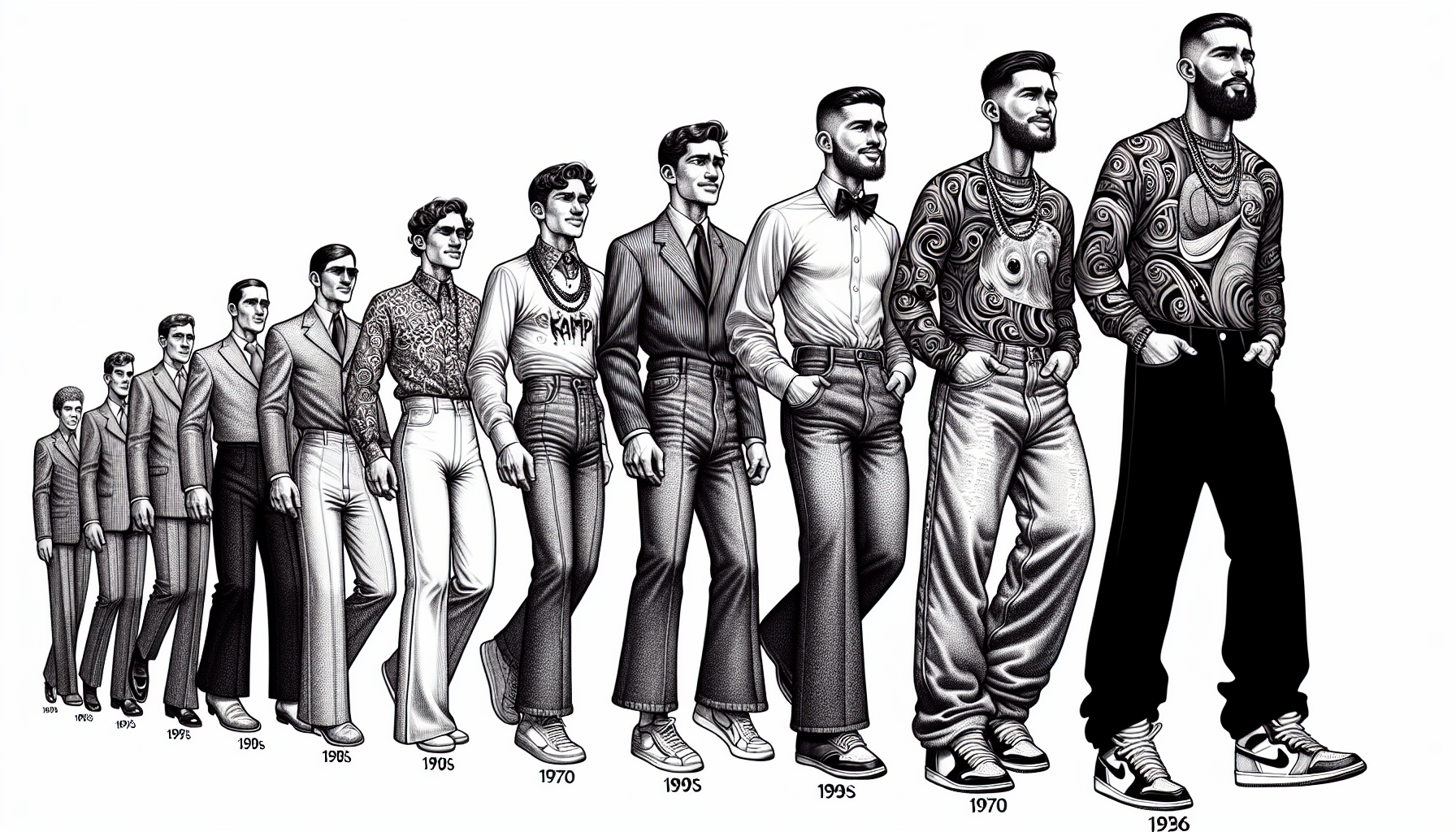
The Evolution of Men’s Streetwear: A Cultural Perspective
Origins of Streetwear
Streetwear originated in the late 1970s and early 1980s in California, heavily influenced by the skate and surf cultures that were prevalent during that era. Pioneering brands like Stüssy began to merge the relaxed aesthetics of beach culture with urban sensibilities. This fusion gave rise to a subculture that was not only about fashion but also about expressing identity and community.
The roots of streetwear can also be traced back to hip-hop culture. The vibrant lives of urban youth found a voice in hip-hop music and breakdancing, leading to a distinct style that included oversized clothing, sports jerseys, and brand collaborations. The aesthetics echoed the need for self-expression, making streetwear a powerful milestone in men’s fashion.
The 1980s: Rise of Skate Culture
The 1980s marked a formative period for streetwear, as the skateboarding boom created a unique style that spread from California to broader America. The use of graphic tees, baggy pants, and skate shoes epitomized this look. Brands like Vans, Nike SB, and Thrasher Magazine not only catered to skaters but also became emblematic of the streetwear movement.
The visible embrace of logos and graphics represented a shift from understated casual wear to a more expressive, brand-centric aesthetic. Streetwear was beginning to emerge as a significant cultural phenomenon, blending individuality with group identity.
The 1990s: Hip-Hop Takes Center Stage
As streetwear evolved through the ’90s, hip-hop culture began to dominate the fashion scene. Artists like Nas, Biggie Smalls, and Wu-Tang Clan recognized that fashion was an extension of their music. Brands like Tommy Hilfiger, Ralph Lauren, and FUBU became entangled in the hip-hop narrative, appealing to a demographic eager to assert their identity.
advertisement

This era introduced oversized silhouettes, brightly colored designs, and heavy use of logos. The youth culture embraced athleisure wear alongside graphic tees and baggy jeans, shaping what we think of as iconic ’90s streetwear.
The 2000s: The Commercialization of Streetwear
The 2000s marked a transitional phase as streetwear became more commercialized. Major fashion houses began to notice the growing trend, leading to high-profile collaborations with streetwear brands. The partnership of Nike and designers like A Bathing Ape (BAPE) illustrated how streetwear had permeated mainstream fashion.
This era also saw the emergence of sneaker culture, fueled by limited-edition releases and urban influences. The “sneakerhead” phenomenon encouraged collectors to invest heavily in rare and unique sneakers. These shoes became status symbols, marking a significant badge of honor in the streetwear community.
Streetwear in the Digital Age
With the advent of the internet and social media platforms like Instagram, streetwear reached unprecedented heights of popularity in the 2010s. Influencers and content creators began to curate their personal styles, showcasing streetwear aesthetics in innovative ways. Brands such as Off-White, Fear of God, and Palm Angels gained a significant following, leveraging social media to create new fan bases.
The “drop” model became a standard business practice, generating excitement through limited releases and collaborations. This strategy fostered a sense of exclusivity, making items highly coveted among consumers. Streetwear was no longer just confined to urban settings; it was a global phenomenon transcending geographical boundaries.
The Role of Community and Subcultures
At its core, streetwear has always been about community, identity, and subcultures. This cultural landscape continues to evolve as diverse groups adopt and adapt streetwear into their unique expressions. From punk and grunge styles to the influences of skaters and hip-hop artists, streetwear embraces a multitude of communities.
The rise of underground scenes has also influenced mainstream trends. Streetwear brands often find inspiration in lesser-known subcultures, adopting elements that resonate with those communities. This continual cycle of borrowing and reinterpreting ensures that streetwear remains dynamic and relevant.
Inclusivity and Diversity in Streetwear
In recent years, streetwear culture has moved toward inclusivity, not just relegating itself to urban male youth but expanding to embrace women, LGBTQ+ communities, and other marginalized groups. Brands that prioritize diversity have emerged, appealing to consumers searching for authenticity in design.
This evolution highlights the current focus on gender-neutral clothing, challenging traditional concepts around masculinity in fashion. Streetwear now confronts cultural stereotypes, making space for different narratives that reflect a broader spectrum of identities.
The Impact of Streetwear on High Fashion
Streetwear has significantly impacted high fashion, challenging designers to bridge the gap between luxury and casual wear. Brands like Balenciaga and Gucci have incorporated streetwear elements into their collections, blurring the lines between couture and street style.
Fashion weeks around the world now regularly feature streetwear brands, showcasing their designs alongside traditional luxury labels. The acceptance of this fusion has allowed high fashion to tap into the youthful energy of the streetwear movement, fostering genuine connections with a new generation of consumers.
Future Trends in Streetwear
As we look to the future, streetwear will likely continue to evolve alongside technological advances and changing cultural narratives. Sustainability is becoming a key area of focus, with brands increasingly prioritizing eco-friendly practices. The conscious consumer is rising, demanding greater transparency and ethical responsibility from fashion brands.
Moreover, the impact of virtual reality and augmented reality could reshape the way streetwear is sold and marketed. Digital fashion shows, NFT collaborations, and virtual showrooms could democratize access to high-end streetwear, allowing wider audiences to engage with brands and styles.
The Intersection of Art and Streetwear
Streetwear has often intersected with the world of art, leading to collaborations that challenge artistic boundaries. Designers partner with contemporary artists to create limited edition pieces that merge fashion and visual art.
From graffiti-inspired designs to pop art references, collaborations often seek to convey a narrative or social commentary. This artistic dimension nudges the streetwear culture into conversations about creativity, ownership, and commodification of art in fashion.
The Influence of Music and Pop Culture
Whether through collaborations, endorsements, or merely inspiration, music has always played a pivotal role in shaping streetwear. Artists such as Kanye West have blurred the lines between streetwear, luxury fashion, and music, influencing trends with their unique perspectives.
Pop culture references continue to resonate in streetwear, making it an ever-evolving landscape. From TV shows to viral internet trends, the adaptability of streetwear ensures that it remains a vibrant part of contemporary culture.
Conclusion
Streetwear, born from a blend of skate, surf, and hip-hop culture, represents more than just clothing. It encapsulates a community-driven identity that resonates across generations. From its humble beginnings to its current stature as a formidable cultural force, men’s streetwear continues to reflect societal changes. Its evolution showcases the intricate intersections between fashion, art, music, and identity, constantly reshaping conventional boundaries and inviting dialogue. Through analysis of past trends, we can anticipate and embrace the future of this influential movement.
advertisement