The Rise of Gender-Neutral Clothing in Modern Fashion
Understanding Gender-Neutral Fashion
Gender-neutral clothing, also referred to as unisex apparel, transcends traditional gender norms, offering styles that appeal to all individuals, regardless of their gender identity. This innovative clothing movement emphasizes a rejection of binary classifications in fashion, allowing consumers to express themselves freely. The practical implications of gender-neutral clothing extend beyond aesthetics, fostering inclusivity and broadening the scope of who can engage with fashion.
Historical Context
To understand the rise of gender-neutral clothing, one must explore its roots. Throughout history, clothing has often shifted to reflect societal attitudes towards gender. In various cultures, there were periods when men and women wore similar garments. For instance, Ancient Rome featured tunics that could be worn by anyone. Fast forward to the early 20th century, when fashion icons like Coco Chanel began to liberate women from restrictive garments, introducing elements that would journey towards a more androgynous aesthetic.
However, the contemporary movement really gained momentum with the liberation movements of the 1960s and 1970s, where the defining factors of male and female clothing began to blur. But it wasn’t until the 2010s that gender-neutral fashion truly surged, bolstered by a new generation advocating for authenticity and diversity.
Market Drivers
Several factors contribute to the rising popularity of gender-neutral clothing. A pivotal element is the shifting societal perception of gender and identity. Researchers highlight a growing acknowledgment of non-binary, gender-fluid, and transgender individuals, requesting clothing that does not conform strictly to gender norms. This visibility has spurred brands to adopt inclusive practices to reach a broader audience.
Additionally, the mainstreaming of LGBTQ+ rights has driven the demand for unisex clothing. As discussions about identity become more prevalent in social, political, and media spheres, fashion brands are responding by adopting gender-neutral collections, thereby resonating with a more progressive consumer base.
advertisement

Key Brands Leading the Charge
Vanguard brands are crucial in shaping the gender-neutral clothing landscape. Notable companies like Telfar, Wildfang, and ASOS have made significant strides. Telfar, for example, explicitly markets its pieces as ‘genderless’, combining high-fashion appeal with accessibility. Wildfang, known for its ‘feminine of center’ apparel, celebrates a non-conformist identity that allows all individuals to wear clothing that resonates with their personal style.
Big-name corporations like Nike and Zara have also entered the fray, offering unisex ranges designed for comfort and style, removing the strict delineation between men’s and women’s sections. These inclusivity initiatives not only broaden the target market but also amplify brand loyalty among consumers seeking representation.
The Role of Technology
The integration of technology into the fashion industry plays a significant role in the rise of gender-neutral clothing. Online shopping platforms like Etsy, Depop, and sustainable fashion marketplaces focus on accommodating a diverse demographic. Customization features enable consumers to tailor garments according to their specifications, fostering individuality.
Moreover, advancements in textile technology have made it easier for brands to create versatile pieces from diverse materials. Fabrics such as jersey knit and stretch blends provide a comfortable fit, appealing to a wide range of body types without being boxy or overly structured.
The Influence of Social Media
Social media platforms have compelled fashion brands to reevaluate their approaches. Influencers and micro-influencers advocate for gender-neutral fashion, showcasing how such items can be worn by anyone, dismantling stereotypes in real-time. Platforms like Instagram and TikTok allow for instantaneous fashion trends, making the visibility of gender-neutral clothing explode with authenticity.
Hashtags such as #GenderNeutralFashion and #UnisexClothing have garnered thousands of posts, fostering an online community where consumers share styling tips and promote brands prioritizing inclusivity. Thus, social media is not merely a marketing tool but a crucial space for communal identity formation, giving rise to fashion that aligns with personal expression.
The Impacts on Retail and Consumer Behavior
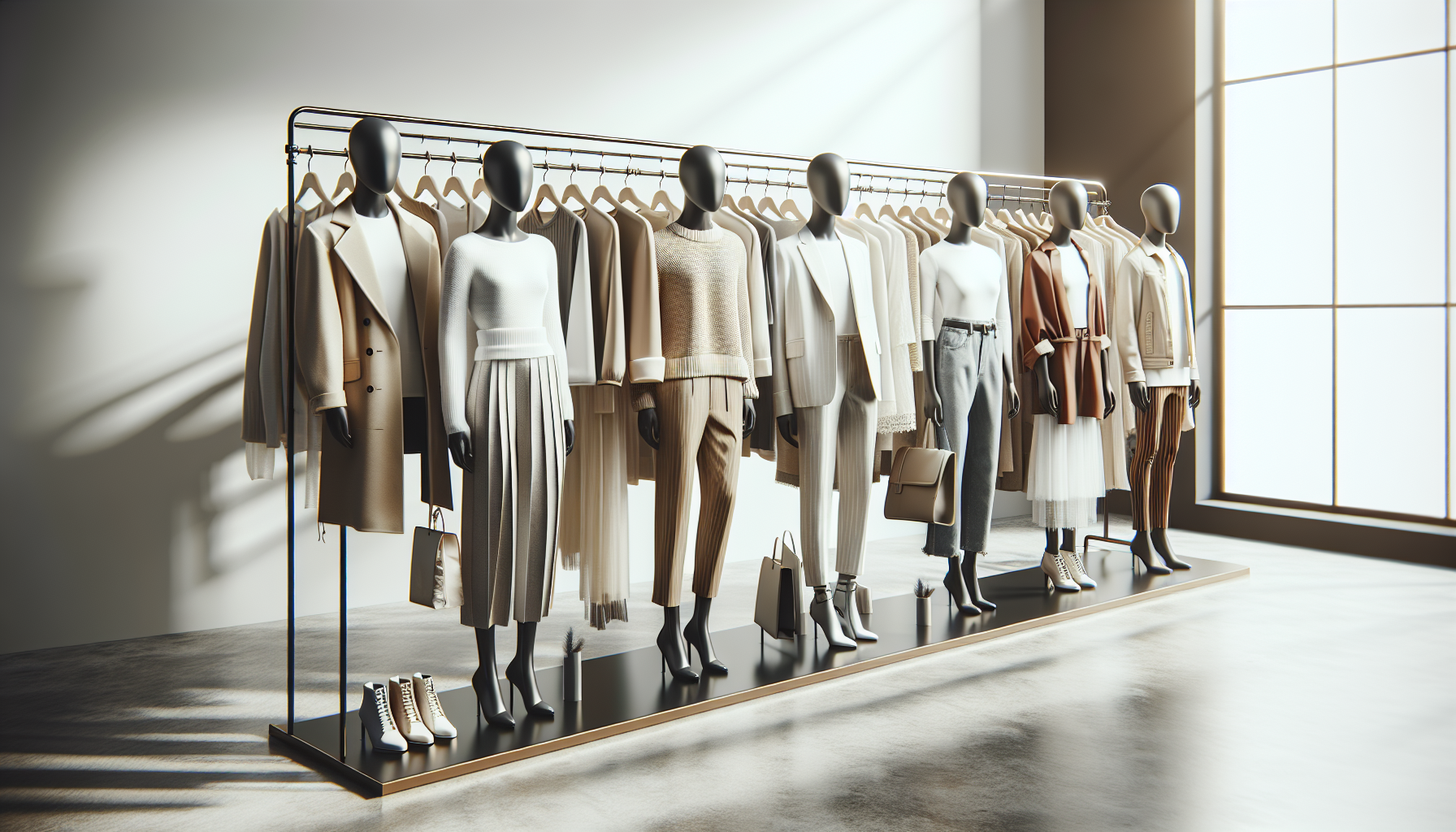
The rise of gender-neutral clothing is influencing retail strategy significantly. Retailers are increasingly adopting more open and flexible layouts, moving away from restrictive gender categories. They are reimagining store displays to feature gender-neutral sections and merchandising, thereby promoting inclusivity.
Consumer behavior is also shifting. A survey by market research firm Mintel revealed that a significant percentage of young shoppers prefer to purchase gender-neutral items, driven by personal expression over conformity. This changing landscape has prompted numerous brands to alter their marketing strategies, emphasizing individuality rather than gender-specific messaging.
Sustainability in Gender-Neutral Fashion
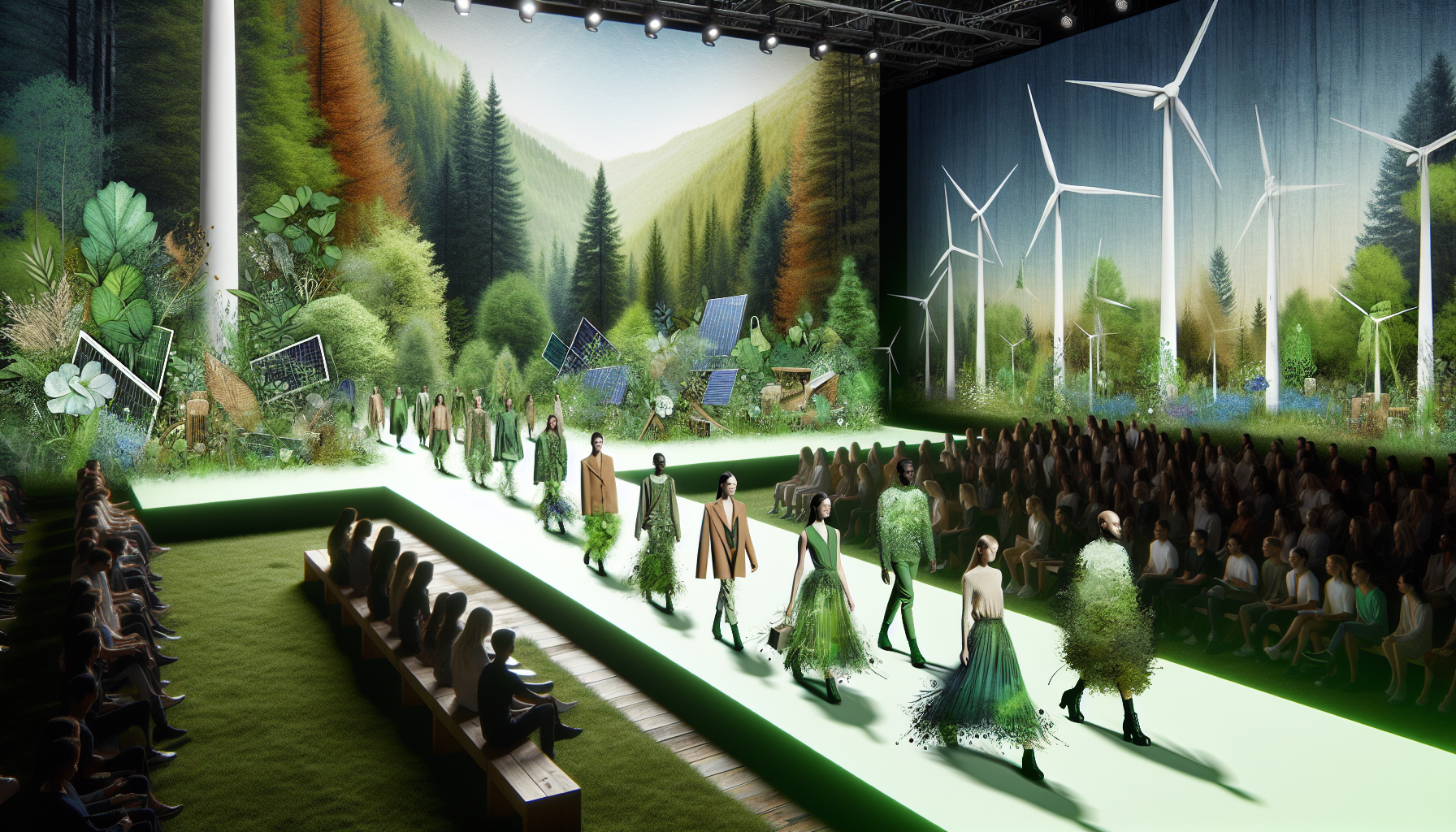
Sustainability is a growing concern for the fashion industry at large, and the emergence of gender-neutral clothing often aligns with eco-friendly practices. Many brands taking this step opt for sustainable materials and ethical production methods, recognizing that consumers are increasingly conscious of their impact on the environment. By promoting timeless designs that can be worn across gender lines, these brands encourage a minimalistic approach to clothing, thereby reducing waste and promoting longevity.
Moreover, upcycling and second-hand markets are flourishing, with consumers opting for unique pieces that are already gender-neutral, often sourced from thrift stores or online marketplaces. This further emphasizes a move away from fast fashion, promoting sustainable practices within the gender-neutral sector.
Cultural Impact and Societal Acceptance
Culturally, the impact of gender-neutral clothing cannot be overstated. It fosters a society where expressions of identity are celebrated and accepted, breaking down outdated notions of masculinity and femininity. This cultural shift has also paved the way for discussions about body inclusivity and self-acceptance, challenging the restrictive beauty standards prevalent in societal norms, particularly in fashion.
Artistic collaborations between queer artists and fashion brands have enriched the cultural landscape, bringing forth collections that resonate on deep emotional and identity levels. This collaboration not only champions diversity within the fashion realm but also elevates underrepresented voices, making art and fashion a powerful tool for social change.
Challenges and Considerations
Despite the positive momentum, the gender-neutral clothing movement faces its own set of challenges. One significant barrier is the risk of commodification, where brands capitalize on the trend without genuinely embracing the values behind it. As more companies join the fray, remaining authentic becomes crucial. Additionally, industry leaders must navigate supply chain complexities while ensuring representations of diverse identities are truly reflective of the communities they aim to serve.
Critically, there also lies the challenge of maintaining affordability. Often, gender-neutral brands position themselves within premium price points, inadvertently alienating segments of the market that cannot afford high fashion. A truly inclusive approach necessitates accessibility, both in design and price.
Future Prospects of Gender-Neutral Fashion
The future of gender-neutral clothing looks bright, with continuous momentum expected. As society becomes more accepting of fluid identities and expressions, brands that align themselves with this ethos will likely thrive. Moreover, innovations in customization technologies and a deeper dive into sustainable practices will continue to shape the fashion narrative.
As consumers place an increasing emphasis on conscious purchasing and advocacy for authentic brand representation, gender-neutral clothing will remain a significant player in the fashion industry’s evolution. The potential for collaboration among fashion designers, activists, and consumers will serve as a catalyst for profound change, further demanding that the industry prioritizes inclusivity.
With this ongoing evolution, the rise of gender-neutral fashion stands to redefine not only consumer expectations but also the very fabric of society’s understanding of gender itself.
advertisement