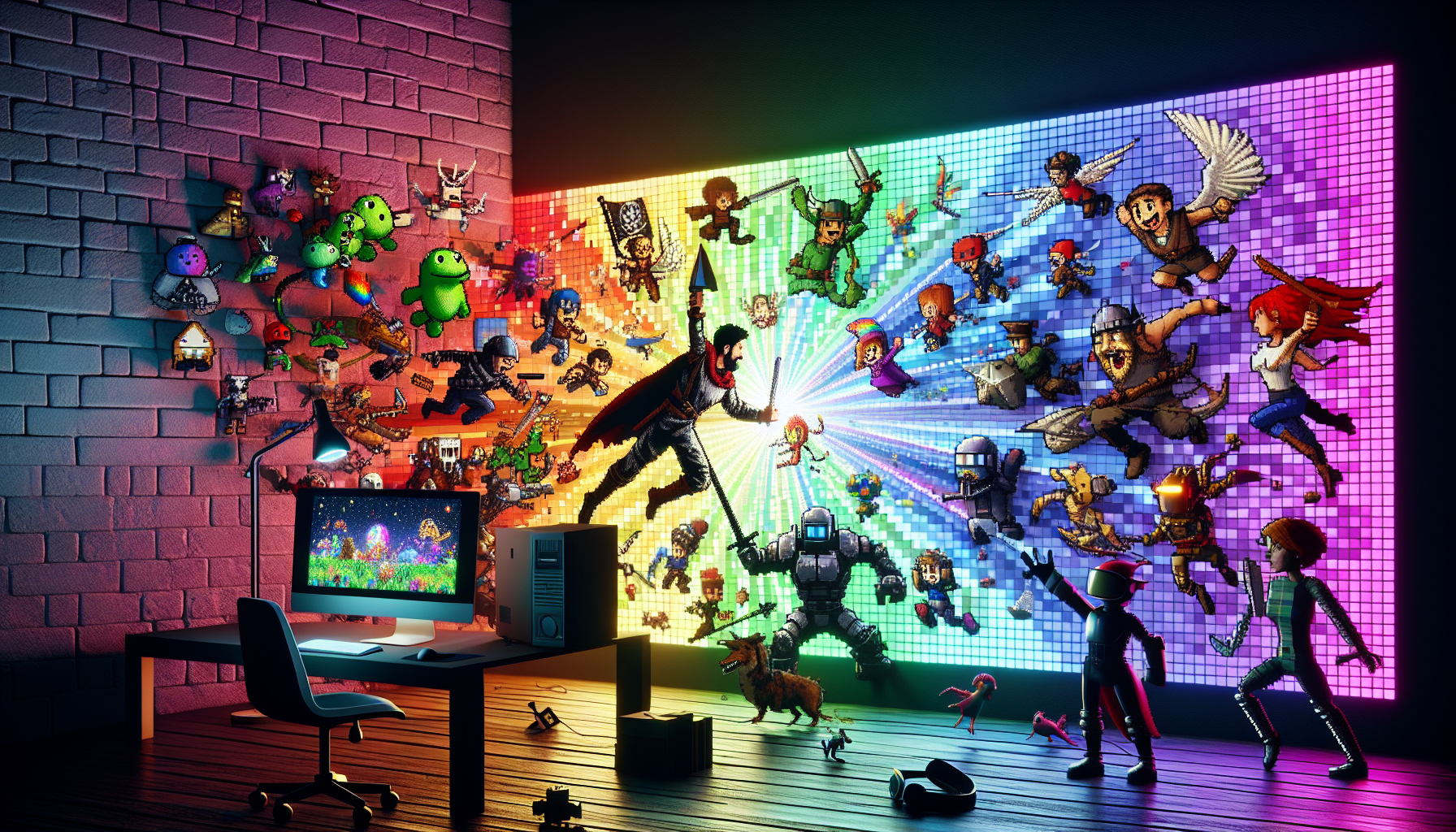
The Rise of Indie Games in PC Gaming
Understanding Indie Games
Indie games, or independent games, are titles developed by individuals or small teams without the financial support of major publishers. This autonomy fosters creativity and innovation, allowing developers to experiment with unique ideas and gameplay mechanics. The definition of indie games can vary, but they commonly emphasize artistry, storytelling, and often a personal touch that larger studios may resist pursuing.
Historical Context: The Birth of Indie Gaming
The indie gaming scene can trace its roots back to the early days of personal computing in the late ’70s and early ’80s, where garage developers created games with limited resources. Titles like “Adventure” (1976) set the groundwork for independent development. However, the significant rise of indie games began in the mid to late 2000s alongside the advent of powerful game engines like Unity and Unreal Engine 4 and the development of digital distribution platforms such as Steam.
The Significance of Digital Distribution Platforms
Digital distribution has revolutionized how games reach consumers. Platforms such as Steam, Itch.io, and the Epic Games Store offer indie developers invaluable access to a global audience without requiring physical distribution. Steam, in particular, provided a streamlined process for indie game developers to upload and sell their games directly to players, allowing them to bypass traditional publishing models. This accessibility has markedly increased the overall visibility of indie games, leading to several breakout hits like “Super Meat Boy” and “Braid.”
New Opportunities for Developers
The rise of social media and crowdfunding platforms, such as Kickstarter and Indiegogo, has given indie developers unprecedented opportunities for funding and community building. Crowdfunding allows developers to gauge interest and secure necessary funding before producing a game, which can be particularly life-changing for many startups with limited resources. With successful projects like “Hollow Knight” and “Shovel Knight,” crowdfunding has become a viable business model within the indie gaming community.
Creative Freedom and Diverse Expression
One of the most vital aspects of indie games is the creative freedom they afford developers. Without the constraints imposed by large publishers focused on profitability, indie creators can craft niche experiences that resonate with smaller audiences. This has resulted in an explosion of unique genres and storytelling techniques, from the emotional depth of “Celeste” to the atmospheric horror of “Limbo.” In many instances, indie titles address themes often overlooked in mainstream gaming, such as mental health, societal issues, and personal narratives.
advertisement

The Role of Game Engines in Indie Development
Game engines have become crucial for indie developers, eliminating barriers to entry. Unity, Unreal Engine, and Godot provide powerful tools and user-friendly interfaces that empower developers to create immersive and complex games without needing extensive programming expertise. The availability of free or low-cost licenses for these engines means smaller teams can produce high-quality graphics and mechanics that rival those of larger studios, enhancing the overall competitiveness of indie titles.
The Emergence of Popular Indie Genres
Several genres have flourished in the indie gaming scene, each showcasing the unique capabilities of independent developers:
-
Platformers: Titles like “Celeste” and “Super Meat Boy” emphasize tight controls and challenging gameplay, appealing to players’ sense of nostalgia while innovating within the genre.
-
Roguelikes: Games such as “Dead Cells” and “Hades” have redefined roguelikes, blending procedurally generated levels with compelling narratives and progression systems that keep players engaged.
-
Puzzle Games: Indie puzzle games like “The Witness” and “Fez” often employ inventive mechanics that challenge players to think outside the box, offering both beauty and complexity.
-
Narrative-Driven Experiences: Games like “Oxenfree” and “What Remains of Edith Finch” focus on storytelling and character development, often presenting themes and emotions that resonate deeply with players.
-
Simulation and Sandbox Games: Titles like “Stardew Valley” and “Terraria” offer players creative freedom in a sandbox environment, allowing them to build, create, and explore at their own pace.
Community and Player Engagement
Indie developers often maintain close relationships with their player base through active social media engagement, open development discussions, and community feedback systems. This fosters a strong sense of community, as players feel invested in the development process. Many developers actively incorporate player suggestions and criticism into their projects, creating a sense of ownership among their audience that enhances long-term loyalty and word-of-mouth promotion.
Financial Impact and Sales Success
The financial success of indie games can be staggering. While many assume that only blockbuster titles generate significant revenue, success stories within the indie scene challenge this notion. Games like “Undertale,” “Stardew Valley,” and “Hades” have sold millions of copies, proving that strategic marketing, quality gameplay, and community engagement can trump heavy marketing budgets in yielding financial success.
Indie Game Festivals and Competitions
Events such as the Indiecade and the Independent Games Festival highlight the burgeoning indie landscape, showcasing the creativity and innovation of independent developers. These festivals create networking opportunities among developers and provide platforms for showcasing projects to a broader audience. They also enable players to discover unique games they may not encounter through traditional marketing methods.
Collaboration and Cross-Pollination
Many indie developers collaborate across projects, sharing art assets, music, and technology, which helps to foster innovation. This cross-pollination breeds new ideas, allowing games to push boundaries creatively. Furthermore, indie studios often serve as incubators for talent, where developers move between teams and projects, amplifying their skills and contributing to the success of the entire indie community.
The Impact of Streaming and YouTube
Streaming platforms like Twitch and video platforms like YouTube have dramatically impacted the visibility of indie games. Streamers and content creators showcase games to millions of viewers, leading to viral sensations for titles that may otherwise have gone unnoticed. The interactivity facilitated by platforms where audiences can watch gameplay in real time creates a feedback loop that fosters enthusiasm and drives sales.
Challenges Facing Indie Developers
Despite their successes, indie developers often face numerous challenges, including financial instability, marketing obstacles, and the pressure to release polished products within tight timelines. With the growing number of indie games flooding the market, standing out can be daunting. Developers must continuously innovate and connect meaningfully with their audiences to ensure sustainability within the competitive landscape of PC gaming.
Future of Indie Games
The future of indie games is bright, given the increasing acceptance and support for independent developers. As technology continues to advance and the gaming community grows, indie developers will likely find new avenues for creativity and funding. The emphasis on artistry and storytelling in indie games may continue to shape the broader gaming landscape, inspiring larger studios to embrace more unique concepts and themes.
The Cultural Impact of Indie Games
Indie games have significantly influenced popular culture and gaming as a whole. They have not only reinvigorated the gaming landscape with innovation but have also challenged the status quo of mainstream gaming with their focus on unconventional storytelling and emotional engagement. By prioritizing diverse narratives and experiences, indie gaming pushes boundaries, encouraging players to explore new perspectives and ideas about the gaming medium itself.
Final Thoughts
The rise of indie games has transformed the PC gaming arena, allowing indie developers to carve out their niche and flourish in a competitive industry. With creativity, passion, and community support driving the genre’s growth, indie games continue to capture the hearts of players worldwide. As we look ahead, the evolution and impact of indie gaming remain pivotal to the development of video games as an art form, forever changing how we play, create, and engage in interactive experiences. The independent spirit of these games will undeniably continue to thrive as long as there are visionary developers willing to share their unique stories and perspectives.
advertisement