The Evolution of Fashion Week: A Historical Perspective
1. The Origins of Fashion Shows
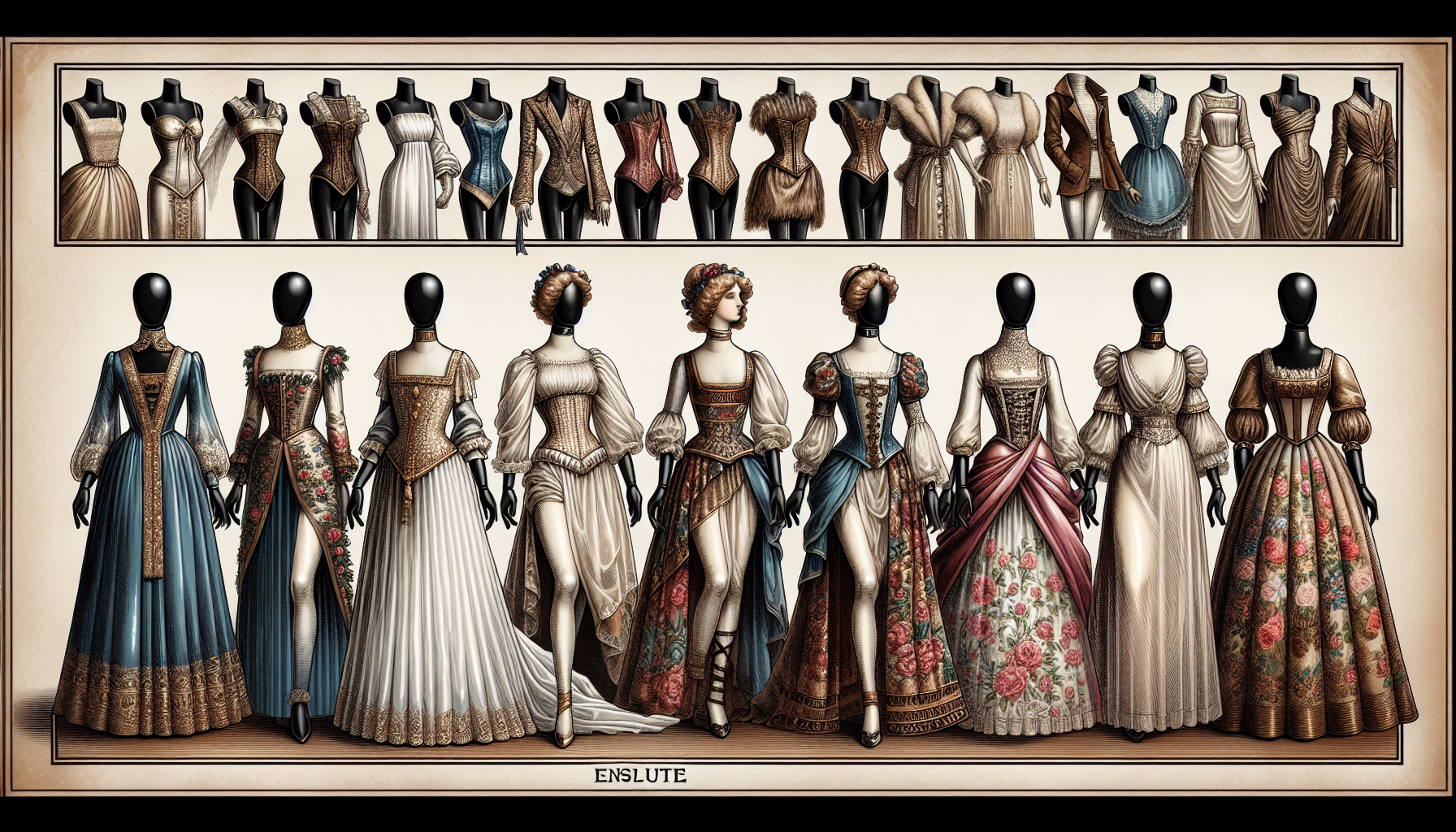
The roots of modern fashion weeks can be traced back to the mid-19th century, with the establishment of the first-ever fashion show in Paris. This marked the beginning of public displays of clothing aimed at promoting designers and their works exclusively. One of the earliest recorded fashion shows occurred in 1858, organized by Charles Frederick Worth, the father of haute couture. Worth showcased his collections in salons where invited customers could view and purchase garments directly from the designer. This event marked a turning point for fashion, as it began to shift from exclusive patronage of royalty and aristocracy to a broader public interest.
2. The Rise of Haute Couture
As the 20th century approached, haute couture grew in significance. The establishment of the Chambre Syndicale de la Haute Couture in 1868 set the stage for a regulated system where designers were classified as official couturiers. The annual calendar began to incorporate seasonal presentations, shaping what we now understand as fashion weeks. Designers such as Paul Poiret and Coco Chanel transformed fashion by introducing innovative designs, and during this era, the concept of fashion as an art form started emerging.
3. The Birth of Fashion Weeks in the Modern Era
advertisement

The first official American fashion week emerged in New York City in 1943, created by Eleanor Lambert to promote American designers during World War II when European fashion was largely inaccessible. Initially named “Press Week,” the event was geared toward garnering media coverage to highlight American innovations in fashion. Designers like Claire McCardell and Norman Norell showcased their collections, allowing American styles to flourish and making New York a central hub for fashion.
4. Paris and New York: The Twin Pillars of Fashion
As both Paris and New York continued to develop their fashion weeks throughout the mid-20th century, they became recognized as the leading capitals of fashion. Paris remained the preeminent center for haute couture, and designers like Christian Dior with his “New Look” revolutionized women’s fashion in the post-war era. Meanwhile, New York positioned itself as the place for ready-to-wear collections, creating a balance between high fashion exclusivity and accessible style.
5. The Globalization of Fashion Week
As fashion began to gain global traction in the late 20th century, additional fashion weeks were established in major cities around the world. Cities like Milan, London, Tokyo, and later, cities like Shanghai and Berlin joined the ranks. Each added its regional flair to the fashion landscape, resulting in a diverse global calendar. Milan’s fashion week, which kicked off in 1958, became synonymous with luxury and glamour, showcasing top Italian designers such as Versace, Gucci, and Prada. London’s fashion scene became known for its avant-garde designers, pushing the boundaries of traditional fashion.
6. The Digital Revolution and Its Impact
Entering the 21st century, the fashion industry experienced a seismic shift due to advancements in technology and the internet. Social media platforms began to shape how designers connected with consumers. Fashion weeks transformed from exclusive, invite-only events to widely streamed global spectacles. Brands started to leverage digital channels, allowing fashion shows to be accessible to audiences who previously did not have access to such events. The rise of influencers reshaped marketing strategies, where designers collaborated with popular social media figures to expand their reach beyond traditional media.
7. Sustainability and Ethical Fashion Weeks
The fashion industry’s focus on sustainability became a pivotal conversation in recent years, influencing major fashion weeks. Paris, London, and New York introduced presentations dedicated to sustainable fashion, highlighting brands that prioritized ethical sourcing, eco-friendly materials, and transparent production practices. An example is the Copenhagen Fashion Week, which became a front-runner in establishing strict sustainability guidelines that designers must meet to participate. This reflective shift in focus has encouraged consumers and brands alike to think critically about the impact of fashion on the environment.
8. Inclusivity and Diversity in Fashion Weeks
The evolving narrative also embraced inclusivity and diversity. The advent of models of various ethnicities, body types, and genders showcased a more holistic representation during fashion weeks. Designers like Savage x Fenty broke traditional barriers with inclusive runway shows, setting a precedent for the portrayal of beauty and body diversity in fashion. As audiences began to demand representation, major fashion weeks increasingly showcased women and men of all backgrounds, celebrating the rich tapestry of identities within the industry.
9. The Future of Fashion Weeks
As we move forward, the concept of fashion weeks continues to evolve. Hybrid formats that combine physical shows with digital experiences are becoming the norm. The COVID-19 pandemic accelerated this shift, forcing fashion weeks to adopt virtual formats. It raised questions about the essence of fashion weeks and their relevance. Discussions around slowing down the fashion calendar to prioritize artistic expression over rapid production cycles are becoming prevalent. Additionally, micro fashion weeks catering to niche designers and local talents are blossoming, ensuring that diverse voices are heard in the global fashion arena.
10. The Influence of Technology on Fashion Weeks
In recent years, innovative technologies such as augmented reality (AR) and artificial intelligence (AI) have started to play a role in fashion week presentations. Brands experiment with virtual fittings and fashion shows that employ elaborate VR experiences. These technologies promise to engage the audience in new, interactive ways, enhancing the emotional connection between the viewer and the brand.
11. Conclusion
In retrospect, fashion weeks have undergone a remarkable journey from their humble beginnings to major global events that capture not only the essence of fashion but also reflect sociocultural sentiments. This evolution mirrors broader trends such as technological innovation, consumer consciousness, and the growing demand for sustainability. As fashion weeks continue to grow and change, they remain an essential aspect of the fashion ecosystem, showcasing creativity, diversity, and the ever-evolving nature of style itself.
advertisement