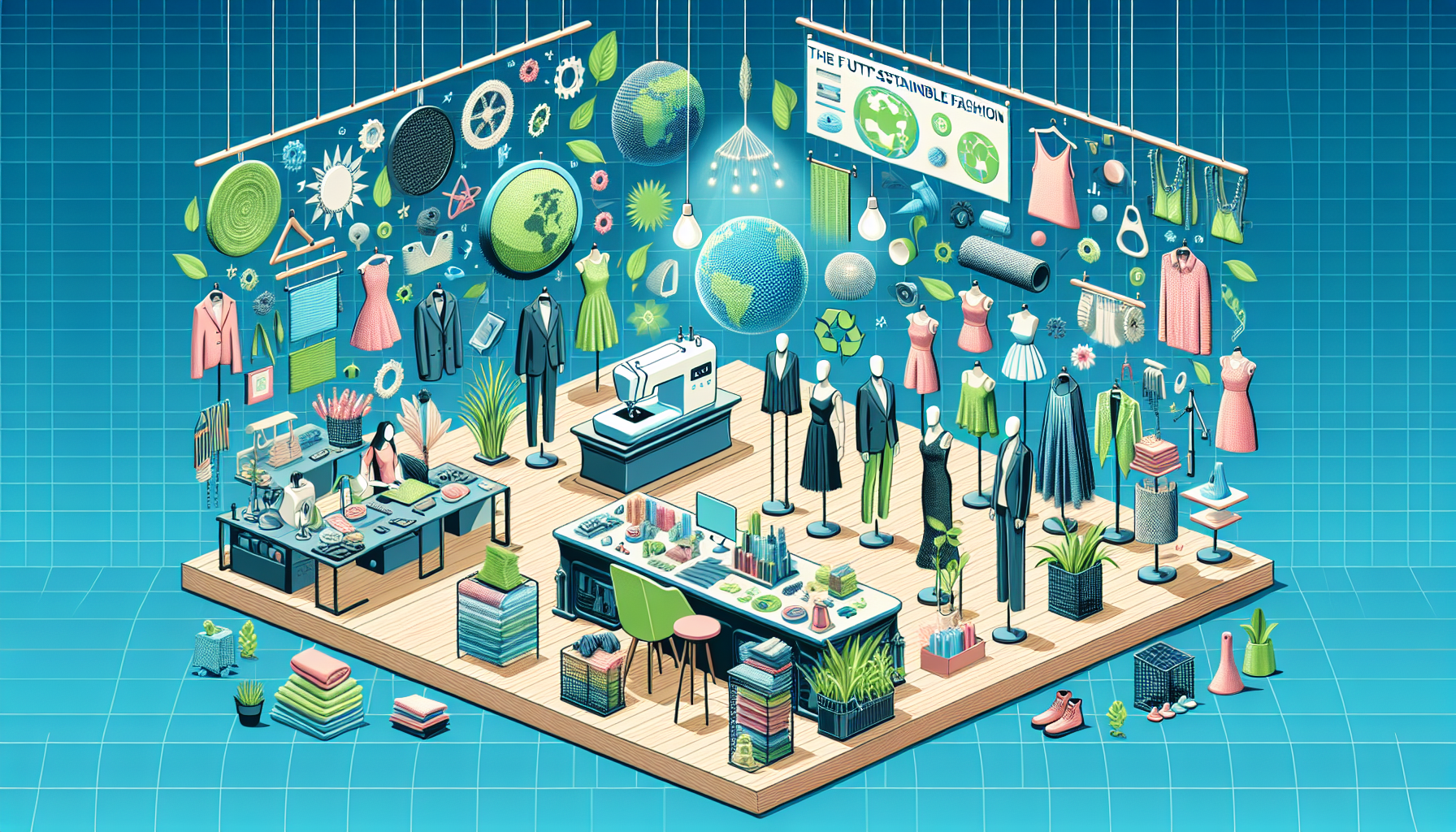
The Future of Sustainable Fashion: Innovations and Trends
### 1. The Rise of Sustainable Materials
#### a) Organic Fabrics
Organic cotton, hemp, and linen are gaining traction as eco-friendly alternatives to conventional textiles. These materials are grown without harmful pesticides and fertilizers, significantly reducing their environmental footprint. Innovations in organic farming methods, such as crop rotation and polyculture, are further enhancing their sustainability.
#### b) Recycled Materials
Recycled polyester, derived from plastic bottles, has emerged as a popular sustainable material. Brands like Patagonia and Adidas are already utilizing this material to create eco-conscious products while minimizing waste. Moreover, technologies such as chemical recycling are evolving, allowing for a broader range of materials to be reclaimed and repurposed.
#### c) Bio-Fabrication
Bio-fabrication is an exciting frontier in sustainable fashion. Innovations in mycelium, the root structure of mushrooms, are being used to create leather-like materials without the environmental impact of traditional leather. Brands like MycoWorks are leading this movement, promising sustainable and cruelty-free alternatives.
advertisement

### 2. Innovative Production Techniques
#### a) 3D Printing
3D printing is revolutionizing the fashion industry by allowing designers to produce complex structures with minimal waste. This technology also enables mass customization, giving consumers the power to influence design while reducing overproduction. Brands like Nervous System have successfully implemented 3D printing in their collections, creating unique pieces tailored to individual preferences.
#### b) Digital Fashion
Digital fashion is trending as brands explore virtual clothing for avatars in video games and social media platforms. This innovation eliminates physical waste and appeals to the growing demographic of digital natives who prioritize sustainability. Notably, brands such as The Fabricant are pioneering this space, creating virtual collections that resonate with environmentally conscious consumers.
### 3. Circular Fashion Economy
#### a) Rental and Resale Platforms
The shift towards a circular fashion economy is exemplified by the rise of rental and resale platforms, which promote the reuse of garments. Platforms like Rent the Runway and Poshmark allow consumers to rent or buy pre-owned clothing, extending the lifecycle of fashion items. This trend not only reduces waste but also provides consumers with access to high-end fashion at lower prices.
#### b) Take-Back Programs
Many brands are now implementing take-back programs, encouraging consumers to return used items for recycling or resale. This practice ensures that garments do not end up in landfills, and instead, they are revitalized and reintroduced into the market. Brands like H&M and Levi’s are leading the charge, with programs designed to recycle worn-out apparel effectively.
### 4. Technology and Innovation
#### a) Blockchain for Transparency
Blockchain technology is being harnessed to promote transparency within the fashion supply chain. By tracking the origins of materials and ensuring ethical practices, brands can build trust with consumers alongside their sustainable initiatives. Companies like Provenance are providing transparency solutions that allow brands and consumers to trace the journey of garments.
#### b) AI and Predictive Analytics
Artificial Intelligence (AI) and data analytics are increasingly important tools in sustainable fashion. AI can help predict trends, optimize inventory management, and reduce overproduction. Sustainable brands can leverage predictive analytics to align production with consumer demand, thereby minimizing waste and maintaining profitability.
### 5. Ethical Labor Practices
#### a) Fair Trade Certifications
In the push for sustainability, ethical labor practices are equally essential. Fair Trade certifications ensure that workers are paid fair wages and work in safe conditions. This practice not only supports garment workers but also appeals to consumers who prioritize ethical brands. Organizations like Fair Trade International are setting standards for brands to follow.
#### b) Local Production
Local production is on the rise as it minimizes transportation emissions and supports local economies. Brands are investing in local artisans and craftsmen, fostering community support and reducing the carbon footprint associated with overseas manufacturing. This trend promotes a unique sense of local identity in fashion products.
### 6. Consumer Engagement and Education
#### a) Awareness Campaigns
Brands are increasingly focusing on awareness campaigns to educate consumers about the impact of their purchases. By sharing stories about sustainable production methods, eco-friendly materials, and ethical practices, companies foster a deeper connection with their audience. Brands like Stella McCartney actively engage in awareness campaigns aimed at driving sustainable consumption.
#### b) Interactive Shopping Experiences
Developing interactive shopping experiences can further engage consumers in their sustainability journey. Technologies such as augmented reality (AR) allow shoppers to visualize the impact of their purchases, making sustainability more relatable. Retailers are beginning to implement AR features to allow customers to see the lifecycle of a product before purchasing.
### 7. Collaborations and Partnerships
#### a) Cross-Industry Collaborations
Collaborations between fashion brands and other industries are becoming more common to drive innovation in sustainability. Partnerships with tech companies for material innovation or with NGOs focused on environmental issues can yield impactful results. The collaboration between Nike and the innovative company, LanzaTech, is a prime example of how cross-industry partnerships can lead to groundbreaking sustainable solutions.
#### b) Community Initiatives
Brands are increasingly partnering with local communities and nonprofit organizations to promote sustainable practices. Initiatives such as clothing drives or workshops on upcycling are becoming popular, fostering community relationships while promoting sustainability. These efforts resonate well with consumers who seek to align themselves with brands committed to social responsibility.
### 8. The Role of Marketing in Sustainability
#### a) Authentic Storytelling
Authenticity in branding is crucial for consumers today, particularly around sustainability. Brands that are honest about their practices, successes, and failures garner customer loyalty. Effective storytelling techniques can communicate a brand’s journey toward sustainability, creating emotional connections with consumers.
#### b) Influencer Partnerships
Utilizing influencers who prioritize sustainability can amplify a brand’s message. Collaborations with eco-conscious influencers can help brands reach a larger audience interested in sustainable living. Campaigns that involve influencers who genuinely embrace sustainability resonate better with followers, enhancing brand credibility.
### 9. Future Trends to Watch
#### a) Eco-Conscious Consumerism
As the awareness of environmental issues grows, consumers are leaning towards eco-conscious brands. This shift is not only about purchasing sustainable items but also about making informed decisions regarding their overall consumption habits. Brands must adapt to this change by integrating transparency and sustainability into their core missions.
#### b) Innovations in Waste Management
With the circular economy in focus, innovations in waste management and recovery are likely to emerge. Technologies that can repurpose textile waste into new materials will be critical for reducing waste. Companies are exploring on-site recycling facilities as solutions to manage surplus materials sustainably.
### 10. Government Regulations and Policies
#### a) Stricter Regulations
Government regulations mandating sustainable practices in fashion are anticipated to increase. Policies that enforce the use of sustainable materials and ethical practices will push brands to adapt or risk losing market competitiveness. Legislative bodies are targeting waste reduction and environmental protection to guide the fashion industry toward greener practices.
#### b) Sustainability Certifications
Future policies might also involve sustainability certifications that enhance credibility in the fashion industry. As brands work towards becoming certified sustainable, consumers will realize the value of supporting certified brands, making certification an essential marketing tool for transparency and trust.
### 11. The Intersection of Fashion and Activism
#### a) Activism Through Fashion
Sustainable fashion is not just a trend; it’s increasingly intertwined with activism. Brands are using their platforms to advocate for systemic change regarding environmental sustainability and social justice. Collaborations with non-profit organizations can amplify their impact, demonstrating a commitment to a broader purpose beyond profit.
#### b) Fashion Weeks and Sustainable Showcases
Fashion events, like Fashion Weeks, are beginning to include sustainable showcases. Designers who focus on sustainability gain visibility and encourage others in the industry to think about their practices. Events dedicated to sustainable fashion challenge traditional norms while creating a new narrative around what fashion can be.
### 12. Innovations in Retail
#### a) Sustainable Packaging
Innovations in packaging are essential to reducing the fashion industry’s environmental impact. Brands are shifting to biodegradable and recyclable packaging materials, thus minimizing waste. Initiatives like compostable mailers and reusable packaging are not only sustainable but can also enhance customer loyalty.
#### b) Integrated Online Shopping Experiences
As online shopping continues to dominate, creating an engaging online experience focusing on sustainability will become imperative. This can involve energy-efficient websites, eco-friendly shipping options, and sustainable brand storytelling. Retailers who adopt these strategies are likely to attract environmentally conscious consumers looking for seamless eco-friendly shopping experiences.
### 13. Global Perspectives on Sustainable Fashion
#### a) Regional Craftsmanship
Global perspectives on sustainable fashion can shine a light on regional craftsmanship and local materials, providing unique narratives that resonate with consumers. For example, traditional techniques from indigenous communities can foster more sustainable and ethical approaches to fashion production.
#### b) Cultural Reinterpretation
Fashion brands are beginning to reinterpret cultural designs with an eye toward sustainability, ensuring that traditional practices are honored and preserved. By collaborating with local artisans and community members, brands can create unique pieces that celebrate cultural heritage while prioritizing sustainable practices.
### 14. International Collaborations
#### a) Global Initiatives
International collaborations among fashion brands, NGOs, and governmental bodies are forming coalitions aimed at promoting sustainable practices. For instance, global campaigns can raise awareness and educate consumers on sustainability while uniting disparate efforts worldwide.
#### b) Knowledge Sharing
As the global community becomes more interconnected, sharing knowledge and best practices across borders is vital for progress. Training programs and workshops can empower fashion professionals in developing regions to adopt sustainable practices and technologies, leading to a more robust global sustainable fashion movement.
### 15. Looking Ahead
The journey toward sustainable fashion continues to evolve, with numerous innovations and trends emerging as catalysts for change. From the adoption of sustainable materials and production techniques to the rise of conscious consumerism and circular economy initiatives, the future of fashion looks promising. With ongoing advancements in technology, ethical labor practices, and the partnerships between brands and communities, the fashion industry is gradually embracing a more sustainable future.
By prioritizing transparent and ethical practices and leveraging the power of storytelling, brands are likely to resonate with consumers looking for authenticity. The integration of education, collaboration, and policy will form the pillars necessary for fostering a truly sustainable fashion landscape for generations to come. As this dynamic industry adapts and innovates, it holds the potential to redefine itself in a way that champions environmental and social responsibility.
advertisement