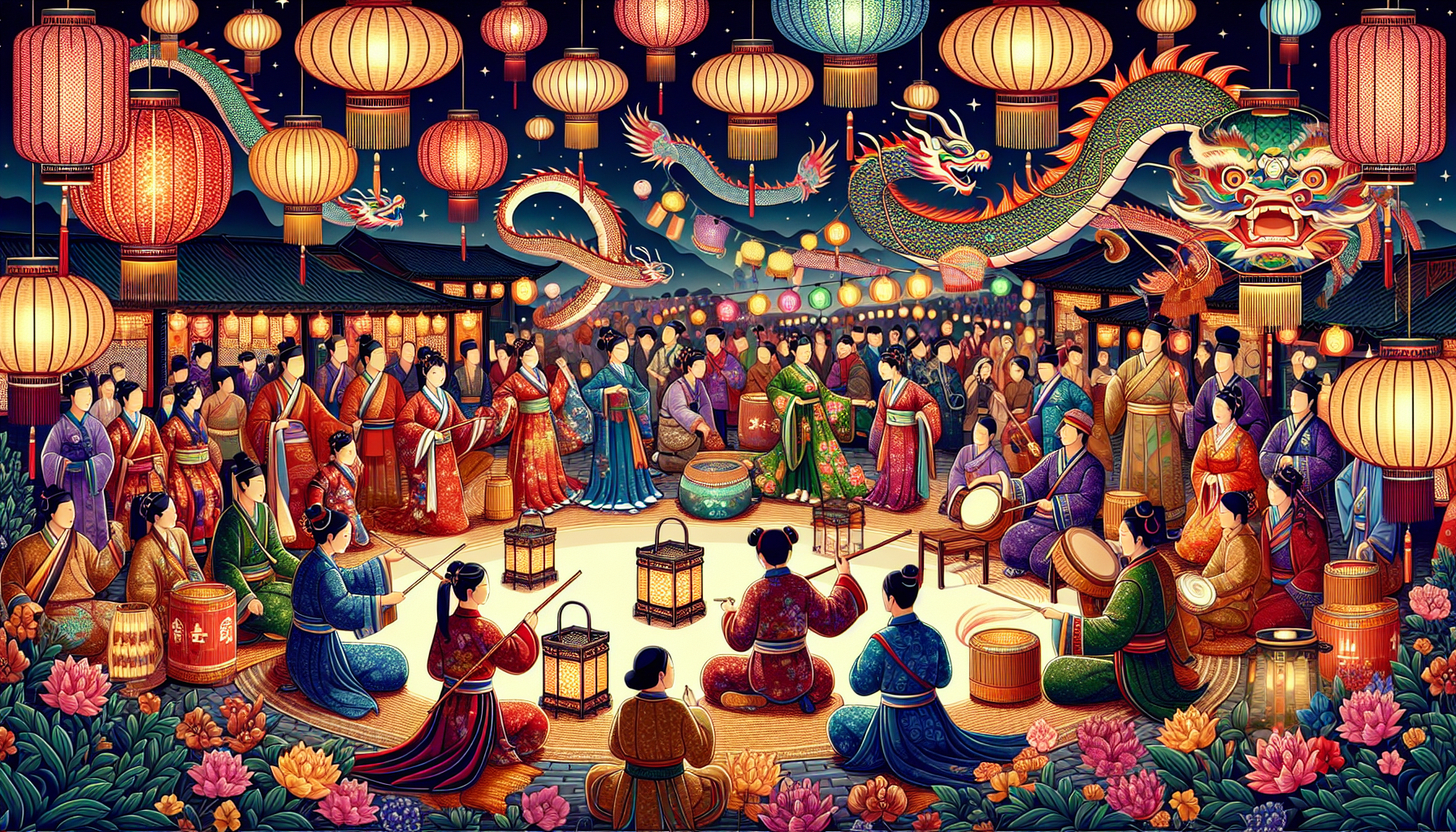
Exploring the Rich Tapestry of Traditional Asian Festivals
The Cultural Significance of Festivals in Asia
Asian festivals are a vibrant reflection of the continent’s diverse cultures, religions, and traditions. With over 40 countries, Asia boasts an array of festivals, each holding unique significance. These celebrations often include elaborate rituals, traditional attire, scrumptious cuisines, and communal activities, reinforcing the bonds within families and communities.
Lunar New Year Celebrations
Chinese New Year (Spring Festival)
Chinese New Year, or Spring Festival, is one of the most anticipated festivals across Asia. It typically falls between late January and mid-February, depending on the lunar calendar. Celebrated in countries such as China, Malaysia, and Singapore, this festival spans 15 days, culminating with the Lantern Festival.
Festivities include family reunions, feasting on traditional foods like dumplings and fish, and the giving of red envelopes (hongbao) filled with money, symbolizing good luck and prosperity. Dragon and lion dances energize the streets, driving away evil spirits while colorful fireworks usher in a new year brimming with hope.
Tet Nguyen Dan (Vietnamese New Year)
Tet Nguyen Dan, or Tet, is Vietnam’s most significant festival, marking the arrival of spring. Celebrated in late January or early February, Tet allows families to honor their ancestors and welcome the new year together.
The preparations begin weeks in advance, including cleaning homes, buying new clothes, and preparing special foods like Banh Chung (square sticky rice cake). Traditional rituals involve paying respects to ancestors, visiting temples, and sharing meals with family, strengthening familial ties and cultural identity.
advertisement

Religious Festivals
Diwali (Festival of Lights)
Diwali, widely known as the Festival of Lights, is predominantly celebrated by Hindus, Sikhs, and Jains across India and beyond. This five-day festival typically occurs between October and November, symbolizing the victory of light over darkness and good over evil.
Homes are adorned with oil lamps (diyas) and colorful rangoli designs, while families engage in prayers, feasting, and exchanging gifts. Fireworks light up the night sky, reflecting the joyous spirit of the celebrations. Each region in India celebrates differently, contributing to the festival’s rich diversity.
Eid al-Fitr
Eid al-Fitr marks the end of Ramadan, the holy month of fasting for Muslims. This festival varies globally, with unique customs in regions such as Central Asia, Southeast Asia, and the Middle East. The celebration begins with the sighting of the moon and includes special prayers at mosques, communal feasting, and charitable acts.
Traditionally, people wear new clothes and prepare special dishes, such as biryani and sweet desserts, to share with family and friends. The spirit of giving is enhanced by the practice of Zakat (charity), reinforcing the importance of compassion and community in Islam.
Harvest Festivals
Pongal
Pongal is a harvest festival celebrated predominantly in the Tamil Nadu state of India. Spanning four days in mid-January, this festival honors the sun god and the agricultural community’s hard work. The highlight is cooking a dish called ‘Pongal,’ made from freshly harvested rice and offered to the sun as a gesture of gratitude.
The celebrations include vibrant kolam (rice flour rangoli) designs, traditional games, music, and dance. The festival fosters community spirit and highlights the importance of agriculture in Tamil culture.
Chuseok (Korean Harvest Festival)
Chuseok, also known as Korean Thanksgiving Day, is a three-day harvest festival celebrated in South Korea. Taking place in late September or early October, Chuseok is a time for families to gather and honor their ancestors through rituals called Charye.
Traditional foods such as songpyeon (rice cakes filled with sweetened sesame or beans) and bulgogi (marinated beef) are prepared and shared among family members. The festival encapsulates themes of gratitude and remembrance, central to Korean cultural heritage.
Ritual and Cultural Festivals
Songkran (Thai New Year)
Songkran, the Thai New Year festival, is celebrated in mid-April and is renowned for its water fights. Rooted in Buddhist traditions, this festival symbolizes the cleansing of bad luck and welcoming the new year with joy.
During Songkran, people visit temples to make merit, pour water over Buddha statues, and engage in vibrant street festivities. Families reunite, sharing meals while exchanging blessings for happiness and prosperity.
Holi (Festival of Colors)
Holi, celebrated primarily in India and Nepal, is known as the Festival of Colors, marking the arrival of spring. Taking place in March, this exuberant festival celebrates love and the triumph of good over evil.
Participants throw colored powders and water at each other, creating a kaleidoscope of colors that symbolize joy, love, and the end of winter. Traditional sweets, music, and dance fill the air, capturing the spirit of unity and celebration.
Unique Regional Celebrations
Harbin Ice Festival
The Harbin Ice Festival in China is a spectacular winter event held annually from January to March. Located in Harbin, this festival showcases magnificent ice sculptures and illuminated displays crafted from ice blocks extracted from the nearby Songhua River.
Enthusiasts can explore elaborate ice castles and participate in various winter activities, including ice skating and snowboarding. This festival not only celebrates the beauty of winter but also promotes Harbin as a cultural destination.
Gion Matsuri
Gion Matsuri is one of Japan’s most famous festivals, held in Kyoto throughout July. Originating in the eighth century, it was initially a religious ritual to ward off pestilence and misfortune. Today, the festival features a grand procession of elaborately decorated floats called yams, which display traditional craftsmanship.
The festival culminates in the Yamaboko Junko procession, where floats are paraded through the streets. Street vendors offer delicious local foods, and various cultural events enhance the rich experience of this historic celebration.
The Role of Festivals in Modern Society
While traditional festivals often retain their cultural essence, they are increasingly influenced by modernity and globalization. Urbanization has transformed how joyous occasions are celebrated, incorporating modern entertainment forms like concerts and exhibitions.
Social media platforms play a significant role in promoting these festivals, connecting people from different backgrounds and countries. As communities advocate for preserving cultural traditions, it is critical to strike a balance between innovation and authenticity.
Conclusion: The Everlasting Spirit of Celebration
The rich tapestry of traditional Asian festivals is a testament to the continent’s diversity and cultural heritage. These celebrations foster community, reinforce familial bonds, and eliminate cultural barriers. As global influences continue to evolve, the enduring spirit of these festivals reminds us of the power of tradition and the joy of communal celebration. The memories forged and stories shared during these events create a cultural legacy that continues to inspire generations.
advertisement