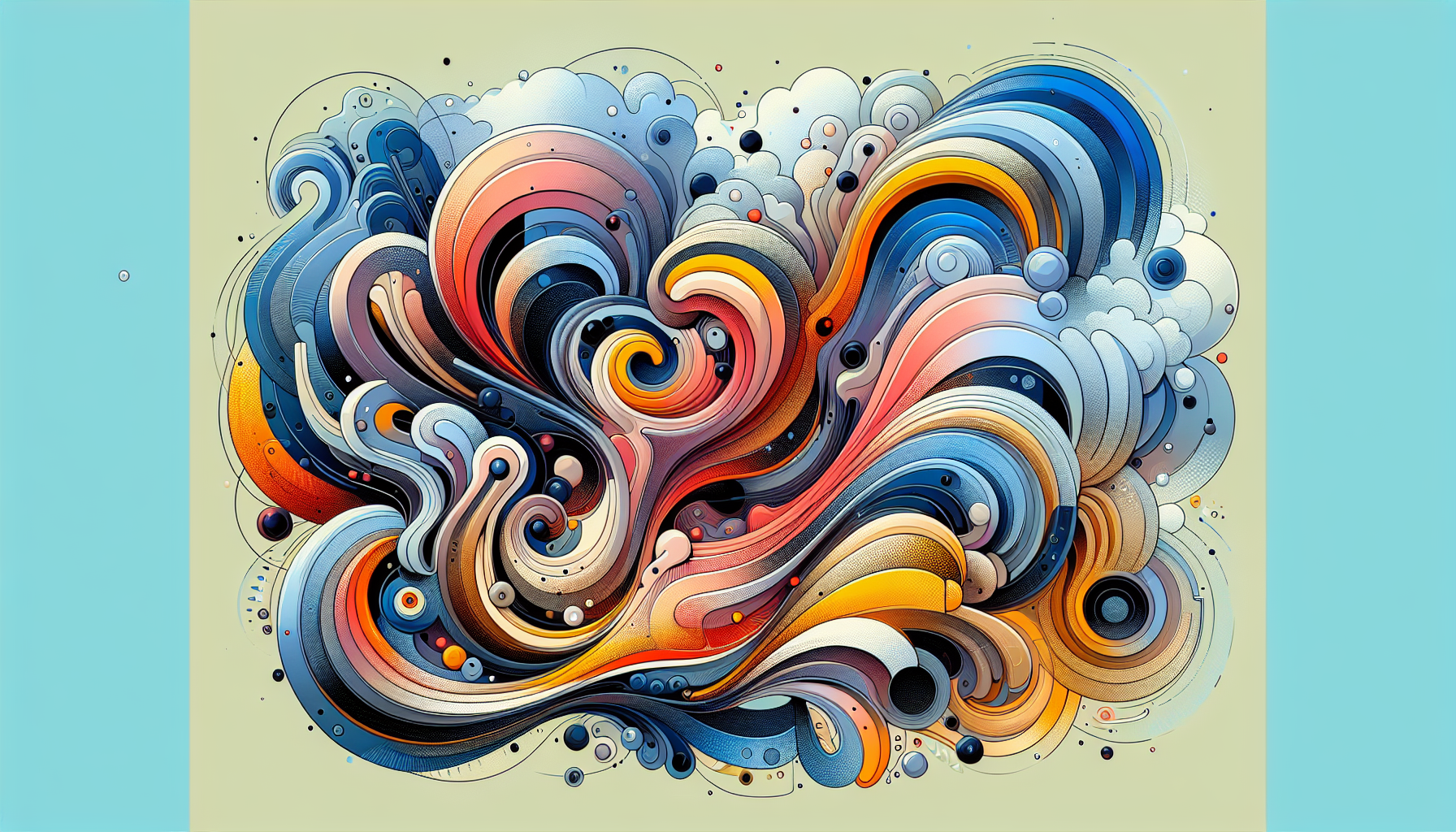
The Evolution of Abstract Art in the 21st Century
1. The Historical Context of Abstract Art
Jumping into the 21st century, it is crucial to understand the foundations laid by the abstract art movements of the 20th century. Movements such as Abstract Expressionism, Color Field Painting, and Minimalism have heavily influenced contemporary practices. Renowned figures like Jackson Pollock, Mark Rothko, and Kazimir Malevich laid the groundwork for artists seeking to convey emotion and meaning through non-representational forms. The evolution of abstract art since then has been characterized by a diversification of techniques, materials, and philosophical underpinnings.
2. Digital Influence on Abstract Art
One of the most significant changes in the 21st century has been the incorporation of digital technology in creating and displaying art. Artists are now able to utilize software programs to manipulate color, form, and composition in ways that were previously unimaginable. Digital platforms not only facilitate the creation of artwork but also broaden its reach. Abstract art can now be shared globally in an instant, thanks to social media and online galleries. Artists like Refik Anadol, who uses algorithms and data visualization, exemplify how technology merges with abstract aesthetics, creating immersive experiences that challenge traditional perceptions of art.
3. The Role of Mixed Media
The 21st century has seen a surge in the use of mixed media within abstract art. This practice combines various artistic mediums—such as painting, sculpture, photography, and installation—to create multifaceted works that engage viewers on multiple sensory levels. Artists like Julie Mehretu utilize layered painting, drawing, and printmaking techniques to create complex, abstract representations of urban landscapes and global events. The tactile quality of mixed media provides deeper emotional connections while inviting spectators to explore the integration of diverse materials and forms.
4. Globalization and Diversity in Abstract Art
Globalization has played a critical role in the evolution of abstract art. Historically dominated by Western influences, abstract art in the 21st century has become a melting pot of cultures and perspectives. Artists from diverse backgrounds, such as El Anatsui from Ghana or Yayoi Kusama from Japan, bring unique interpretations and ingredients to the abstract aesthetic. This cross-cultural exchange enriches the narrative of abstraction, allowing for varied expressions and meanings that challenge Western-centric interpretations. It also fosters collaboration among artists from different disciplines, leading to new hybrid forms of expression.
5. Environmental Concerns in Abstract Art
As environmental issues continue to rise to prominence globally, many contemporary abstract artists have begun reflecting these concerns through their work. This trend has led to a newfound focus on sustainability, highlighting the materiality of art. Artists like Olafur Eliasson incorporate natural elements and eco-friendly materials into their practice, urging viewers to consider humanity’s relationship with nature. The abstract forms emerge as symbols of both fragility and resilience, prompting conversations about nature in a modern context.
advertisement

6. Breakthrough in Art Market Dynamics
The digital era has also transformed the art market significantly. Abstract art has seen an expansive growth in collectors and investors thanks mainly to online platforms, which make purchasing art more accessible. The auctioning of digital art, particularly NFTs (Non-Fungible Tokens), has opened new avenues for abstract artists. Artists such as Pak and XCOPY have gained recognition and substantial financial rewards through digital artworks that challenge traditional philosophies of ownership and originality. This shift highlights the evolving nature of value in the art world while challenging long-held beliefs about what constitutes art.
7. Installation and Site-Specific Abstract Art
Another prominent trend in the 21st century is the rise of installation and site-specific abstract art. Artists are increasingly experimenting with space, creating immersive environments that engage viewers on a physical and emotional level. Works such as Yayoi Kusama’s Infinity Mirrored Rooms provide viewers with entirely new experiences of abstraction. The blurring of boundaries between the artwork and its surroundings offers a fresh dialogue about perception and interpretation. This trend encourages participatory experiences where viewers become part of the artwork, thereby redefining the role of the spectator.
8. The Psychological Dimension of Abstraction
The exploration of abstract art in the 21st century has also delved deeper into psychological themes. Artists like Gerhard Richter and Mark Bradford address complex issues such as identity, memory, and trauma through their abstract work. These psychological dimensions make abstraction not merely decorative or aesthetic but deeply personal and reflective. The emotional aspect of abstract art is becoming increasingly important, as artists aim to elicit a response from viewers, prompting them to confront their own emotions and experiences.
9. The Intersection of Abstraction and Activism
As social and political issues take center stage in contemporary discourse, many abstract artists are pushing boundaries through activism. Works created in response to movements like Black Lives Matter or Climate Change reflect a conscious effort to engage in societal dialogues through abstraction. This activism takes various forms—from the chaotic landscape of protest imagery in the works of David Hammons to the poignant use of abstract shapes and colors that echo social unrest. Artists strive to connect abstract visuals with urgent themes, making their work a platform for change.
10. The Importance of Community and Collaboration
The role of community within the abstract art movement has evolved significantly in the 21st century. As artists seek to collaborate across disciplines, they create a rich tapestry of ideas and innovation. Collectives and art spaces emphasizing community engagement have emerged, fostering environments where creation thrives outside traditional gallery confines. This collaborative approach has led to thriving local scenes, highlighting the collective efforts of artists, curators, and audiences in reshaping our understanding of abstraction.
11. The Challenges of Authenticity and Originality
In an era defined by rapid technological advances and digitization, the question of originality in abstract art has become increasingly complex. The rise of digital artworks and NFTs raises critical debates surrounding authenticity and ownership. While some argue that digital art enhances accessibility and democratizes art, others express concerns about diluting the concept of originality. Artists grapple with these tensions as they seek to establish their voice and recognize the influences of the digital landscape.
12. Emerging Trends and Future Directions
Looking ahead, the evolution of abstract art in the 21st century indicates a trajectory towards increased experimentation and dialogue. As artistic practices continue to expand, the fusion of technology, sustainability, and diverse cultural perspectives will shape the future of abstraction. The integration of augmented reality (AR) and virtual reality (VR) technologies will likely create even more immersive experiences for viewers, further redefining the interaction between art and audience.
The abstract art of the 21st century is poised for continued evolution, with the potential to encompass a broader range of styles, meanings, and experiences. As artists respond to contemporary issues and explore new mediums, they carve out a dynamic and versatile space for abstraction within the global art landscape.
advertisement