The Evolution of Streaming Services: How They’ve Changed Entertainment
The Birth of Streaming
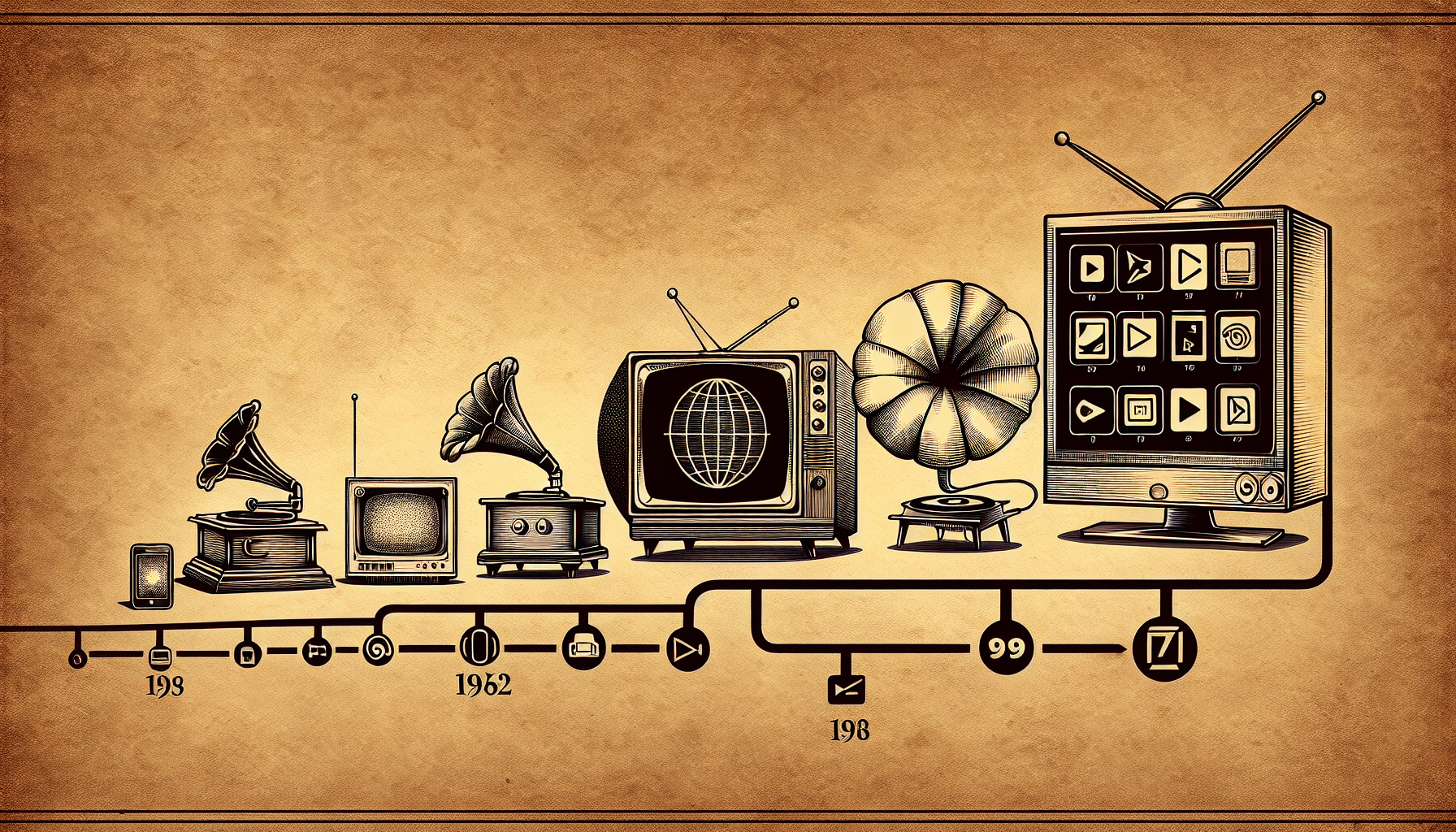
The concept of streaming dates back to the late 1990s when internet speeds were relatively slow. Early streaming experiences were fraught with issues like buffering and low-quality videos, which made it difficult for consumers to engage with content. Pioneering platforms like RealMedia and AOL attempted to deliver audio and video, but it wasn’t until the millennial shift that technology evolved to accommodate the growing demand for video-on-demand (VOD).
The Rise of Broadband
With the introduction of broadband internet in the early 2000s, the stage was set for a streaming revolution. Increased speeds allowed for smoother playback, making it possible for viewers to watch content without the interruptions that plagued earlier streaming attempts. This transition enabled media companies to invest in richer, full-length films and TV shows designed specifically for online audiences.
The Emergence of Netflix
Netflix, founded in 1997 as a DVD rental service, became a catalyst for the streaming revolution. In 2007, the company transitioned to streaming, offering subscribers instant access to a wide library of films and TV series. Netflix’s model not only popularized streaming but also set the standard for subscription-based services. By allowing users to watch shows and movies on their own schedule, Netflix fundamentally shifted how audiences engaged with media.
Content Overload and the Binge-Watching Phenomenon
As more users began to embrace streaming, content libraries grew exponentially. The ability to binge-watch entire seasons at once revolutionized viewing habits. Shows like “House of Cards” and “Orange Is the New Black” sparked a culture of binge-watching, encouraging viewers to consume media in large quantities. This trend has shifted how production companies approach storytelling, with many creating season-long arcs rather than episodic content.
The Entry of Competitors
The success of Netflix led to an influx of competitors in the streaming space. Hulu, Amazon Prime Video, HBO Go, and other platforms quickly emerged. Each service began to specialize and tailor their offerings, ranging from ads-supported formats to premium content with exclusives. This diversification prompted media producers to adjust their strategies, leading to the creation of content designed to entice viewers into subscribing to multiple platforms.
advertisement

The Role of Original Programming
Streamers soon recognized the importance of original programming for differentiating their offerings. Investing in high-quality original content became a key strategy. HBO’s “Game of Thrones” and Netflix’s “Stranger Things” showcased the potential of original series to attract and retain subscribers. These shows not only captured critical acclaim but also generated buzz on social media, multiplying their reach and impact.
Global Expansion of Streaming Services
Streaming services transcended geographic boundaries, enabling the availability of international content. With the worldwide reach of platforms like Netflix and Amazon Prime, audiences gained access to foreign films and series previously limited to local markets. This globalization of content allowed for cultural exchange and increased representation of diverse storytelling.
The Effect on Traditional Television
Streaming services have dramatically impacted traditional television networks. Many networks have struggled to adapt to changing viewer habits, leading to declines in cable subscriptions. The popularity of ad-free streaming has pushed networks to rethink their business models, resulting in a surge of their own streaming platforms, such as Disney+, Peacock, and Paramount+. These platforms aim to capture the growing audience of cord-cutters seeking to ditch traditional cable subscriptions for more customizable options.
The Evolution of User Experience
The advancement of user experience has played a vital role in the success of streaming services. Platforms have invested significantly in user interfaces, making it easier for audiences to navigate vast libraries. Features such as personalized recommendations powered by algorithms and seamless search functionality have enhanced user engagement. The integration of social features, like sharing content or watching with friends virtually, has created community-driven experiences as well.
Mobile Streaming: Content Anywhere
The proliferation of smartphones has transformed how people consume media. Streaming services like Netflix and Spotify have capitalized on mobile technology, leading to a larger consumption of content on devices. As users increasingly prefer mobile viewing, platforms have adapted interfaces for smaller screens, ensuring high-quality experiences regardless of location. This convenience has further solidified streaming’s position in modern entertainment.
Challenges and Competition
Despite their success, streaming services face numerous challenges. The saturation of the market has increased competition, compelling platforms to consistently innovate to keep subscribers engaged. Moreover, rising production costs for original content pose risks. High-profile failures can lead to losses, forcing companies to tread carefully. Security issues like piracy and unauthorized sharing also present challenges that need continual attention.
The Future of Streaming: Trends to Watch
As technology continues to advance, the future of streaming services is poised for more transformation. Innovations like augmented reality (AR) and virtual reality (VR) have the potential to create immersive viewing experiences. Moreover, advancements in artificial intelligence could lead to even more personalized experiences tailored to individual tastes.
Live streaming and real-time interactivity are becoming more popular, with platforms exploring potential formats for live sports and events. As streaming continues to evolve, these trends will define the next generation of entertainment.
Conclusion
In a landscape where consumer preferences are rapidly changing, streaming services have emerged as a dominant force in the entertainment industry. They have reshaped how content is produced, distributed, and consumed. Fueled by technological advancements and changing viewer habits, the evolution of streaming services marks a significant shift in the way entertainment is integrated into our lives. The journey from slow buffering to immediate access to a world of content exemplifies the ongoing transformation of media consumption. The future of streaming holds even more potentials, promising to redefine entertainment and viewing experiences in ways we can only begin to imagine.
advertisement