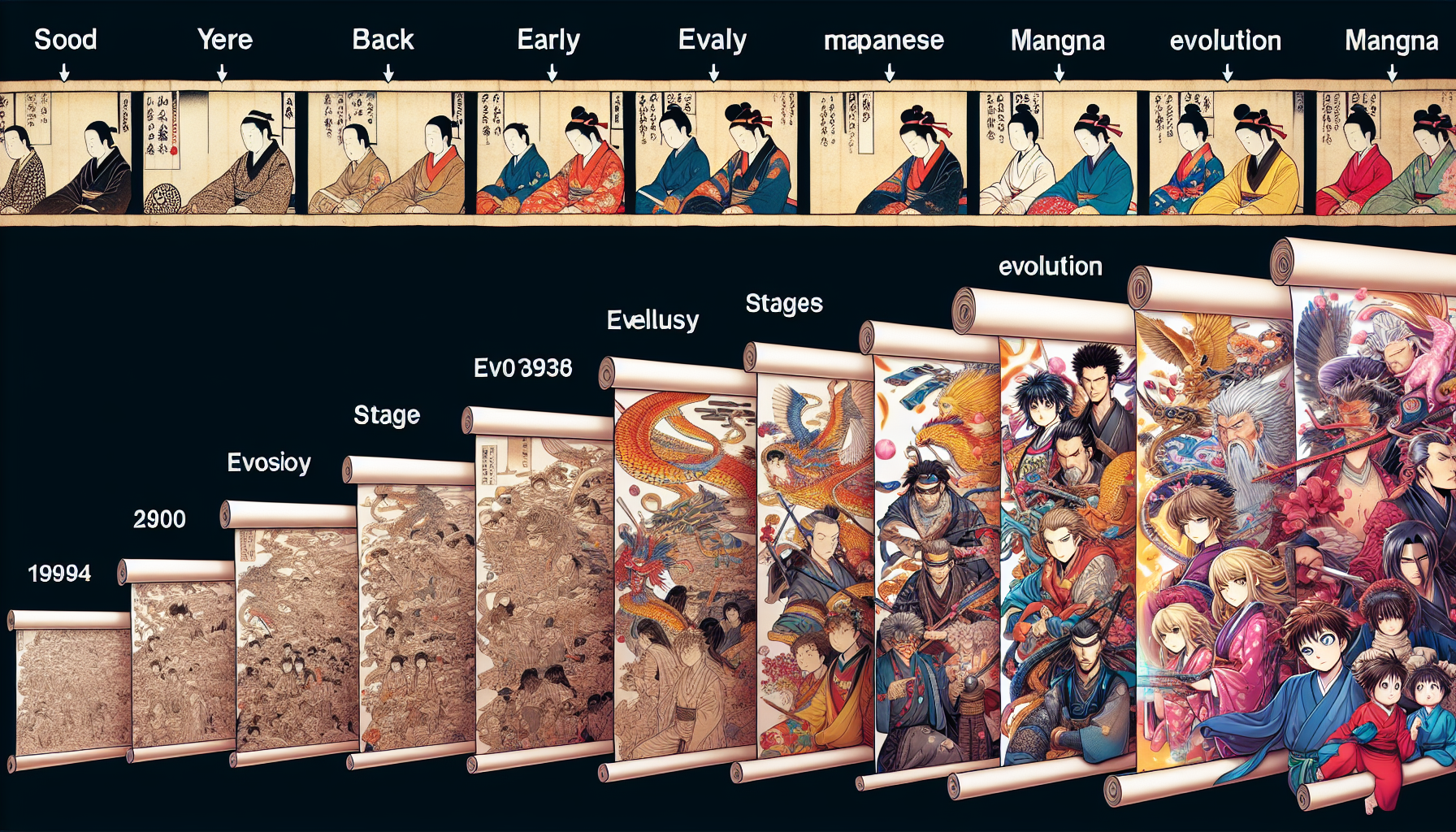
The Evolution of Manga: From Traditional Art to Digital Masterpieces
Manga, a quintessentially Japanese art form, has transformed dramatically over the decades, evolving from traditional narrative illustrations to a complex digital medium that captures the imaginations of millions worldwide. Understanding this evolution involves delving into the historical roots, the technological advancements that shaped its form, and the cultural implications of these changes.
Historical Background: The Roots of Manga
The origins of manga can be traced back to the 12th century with the emergence of Toba Ehon, a genre of illustrated narratives that combined pictures and text. This early form of storytelling integrated art and literature, laying the foundation for what would eventually become modern manga. However, it wasn’t until the Edo period (1603-1868) that the genre truly began to flourish.
During the Edo period, ukiyo-e (floating world pictures) became a popular medium for mass production of artworks that depicted everyday life, landscapes, and Kabuki actors. Notable artists such as Hokusai and Hiroshige created works that not only served aesthetic purposes but also told stories, resonating with the public. Hokusai’s famous “Hokusai Manga” illustrated this blending of art and narrative, showing a variety of subjects through a comic style that hinted at what was to come.
advertisement

The Meiji Restoration (1868-1912) brought about significant changes in Japanese society, including influences from Western culture. This era saw the emergence of newspapers and magazines, providing new platforms for serialized storytelling. Illustrators began to create comic strips that appealed to a broader audience, marking a shift towards what people recognize today as manga.
Post-War Period: The Golden Age of Manga
After World War II, manga entered its golden age, largely due to the efforts of artists like Osamu Tezuka, often referred to as the “God of Manga.” Tezuka’s pioneering work, “Astro Boy” (Tetsuwan Atom), introduced dynamic storytelling and complex characters, revolutionizing the medium. His innovative approach utilized cinematic techniques, such as close-ups and varied panel sizes, to create a more engaging reader experience.
In the 1960s and 1970s, manga began to diversify into various genres, appealing to different demographics. This period saw the rise of shojo (targeted at young girls), shonen (targeted at young boys), and seinen (targeted at adult men) manga. Prominent titles such as “Sailor Moon” and “Dragon Ball” emerged, establishing themselves as cultural phenomena that defined their genres.
The 80s and 90s: Manga Becomes a Global Phenomenon
The 1980s and 1990s marked a significant turning point for manga as it began to gain an international following. During this time, innovative artists like Katsuhiro Otomo with “Akira” and Naoko Takeuchi with “Sailor Moon” explored themes that transcended Japanese culture, appealing to global audiences. The anime adaptation of these manga further propelled their popularity.
Manga magazines such as Shonen Jump began to flood international markets, giving rise to a generation of fans outside Japan. The introduction of fan translations (scanlations) opened the door for a wider audience, allowing North American and European fans to access manga at an unprecedented rate. This grassroots movement played a crucial role in the establishment of conventions and fan communities that celebrated Japanese pop culture.
Emergence of Digital Manga
As technology advanced, manga began to transition from print to digital formats. The rise of the internet and mobile devices during the late 90s and early 2000s facilitated this transformation. Websites and applications dedicated to digital manga began to appear, making manga more accessible than ever.
Digital platforms such as Crunchyroll Manga and Bakemonogatari allowed readers to enjoy their favorite titles in real-time. Additionally, digital tools for artists, including software like Clip Studio Paint and Adobe Photoshop, enabled new possibilities in art creation. This facilitated not only the production of manga but also the work of independent artists drawing in unique styles, amplifying the diversity within the medium.
Self-publishing platforms, such as ComiXology and WEBTOON, emerged to cater to aspiring manga creators. These platforms democratized the publishing process, empowering artists to share their work without the need for traditional publishers. It became increasingly common for creators to blend genres and styles, pushing the creative boundaries of what manga could be.
Current Trends: Blurring the Lines of Creation
The contemporary era of manga is characterized by the continuous blending of traditional and modern techniques. Many artists are now adopting hybrid styles that reflect both classic manga aesthetics and innovative digital techniques. This trend is visible in titles that incorporate 3D graphics, intricate CGI backgrounds, and interactive elements.
Moreover, the rise of social media platforms like Instagram and TikTok has amplified the reach of manga artists. Creators can share their work instantaneously, gaining feedback from a global audience. Hashtags such as #mangaart and #mangadrawing have connected artists and fans, fostering a sense of community and collaboration.
Crowdfunding platforms like Patreon have also enabled creators to monetize their work directly. This shift allows artists to pursue their passions while cultivating a dedicated fanbase willing to support their projects financially.
Cultural Impact: The Globalization of Manga
Manga’s evolution from traditional art to digital masterpieces has had significant cultural ramifications. The globalization of manga has brought elements of Japanese culture, language, and aesthetics to the forefront of global entertainment. As a result, this medium has influenced local comic industries worldwide, inspiring styles, themes, and storytelling techniques.
The success of manga has prompted publishers to translate and distribute international works to Japanese audiences, creating a two-way exchange of culture. Titles like “Scott Pilgrim” and “Bone” have garnered interest in Japan, showcasing the importance of this cross-pollination of ideas and styles.
Furthermore, the impact of manga can be seen in various entertainment forms, including animation, film, and video games. The stories, characters, and art styles prevalent in manga have permeated global pop culture, with adaptations and derivatives seen in countless franchises.
Conclusion: The Future of Manga and Digital Expression
The journey of manga from traditional art to digital masterpieces encapsulates the resilience and adaptability of this art form. As technology continues to evolve, so too will the medium, embracing new techniques and storytelling formats. The ongoing interplay between tradition and innovation promises a bright future for manga, ensuring its status as a beloved and influential art form for generations to come.
From its rich historical roots to modern digital expressions, the evolution of manga remains a testament to its cultural significance and artistic ingenuity. Whether through the pages of a physical book or the screens of digital devices, manga continues to inspire and captivate audiences around the globe.
advertisement