The Rise of Digital Nomadism in Today’s Workforce
What is Digital Nomadism?
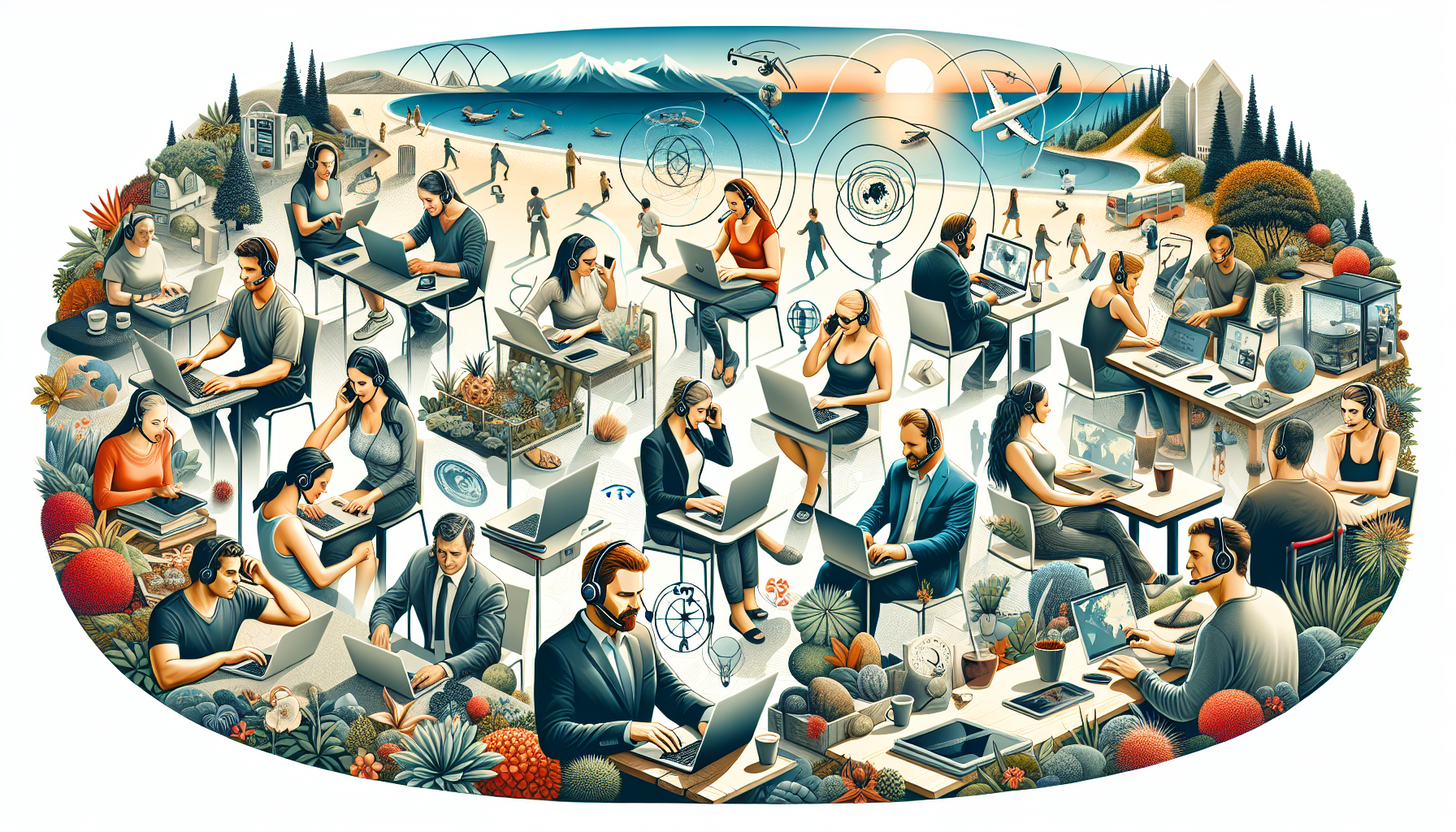
Digital nomadism refers to a lifestyle that allows individuals to work remotely while traveling. Enabled by advances in technology and the increasing prevalence of the internet, this way of life has gained significant traction over the past decade. Digital nomads harness online tools to conduct their work from virtually anywhere, whether sipping coffee in a Bali café or logging in from a beach in Mexico. This flexibility not only enhances their quality of life but also transforms perceptions of the modern workplace.
Historical Context
While the notion of remote work isn’t entirely new, digital nomadism has expanded considerably in scope and visibility in recent years. The rise of the internet in the 1990s laid the groundwork for telecommuting opportunities, but it wasn’t until the advent of high-speed internet and portable devices like laptops, smartphones, and tablets in the 2000s that digital nomadism gained momentum. As millennials and Generation Z enter the workforce, they prioritize flexibility and work-life balance, which catalyzes a growing acceptance of non-traditional work environments.
Factors Driving Digital Nomadism
Several key factors contribute to the rise of digital nomadism:
1. Technological Advancements
The proliferation of cloud-based tools and applications facilitates seamless collaboration across distance. Software such as Slack, Zoom, Trello, and Google Workspace allows teams to communicate, share files, and manage projects efficiently, regardless of their physical locations. Enhanced Wi-Fi accessibility worldwide supports this lifestyle by enabling reliable connectivity almost anywhere.
2. Changing Workforce Demographics
Millennials and Gen Z, who comprise a significant portion of the workforce today, place a higher value on experiences over traditional job stability. They seek roles that offer autonomy, creativity, and meaningful work. The desire for flexibility has led many to pursue careers that allow them to be remote workers. This demographic shift is crucial in the digital nomad movement, as younger workers increasingly prioritize lifestyle choices.
advertisement

3. Globalization
With businesses expanding their reach beyond local markets, there’s a growing need for global talent. Employers are increasingly open to hiring remote workers in various locations, reducing geographical barriers and diversifying their workforce. This trend enables digital nomads to work for organizations based in different countries, bringing diverse perspectives to the workplace.
4. Economic Factors
The cost of living varies significantly across the world. Many digital nomads choose to live in countries where living expenses are lower, allowing them to stretch their earnings further. This appeal of affordability enables remote workers to maintain a desirable lifestyle while enjoying the freedom to travel. Countries like Thailand, Portugal, and Mexico are popular choices due to favorable living conditions and vibrant cultures.
5. The COVID-19 Pandemic
The COVID-19 crisis significantly accelerated the acceptance of remote work. Companies were forced to adopt digital solutions as part of their immediate response, proving that productivity could thrive outside the confines of the traditional office. This shift led to more flexible work policies and opened a dialogue about the sustainability of remote work, highlighting that a geographically diverse workforce is not only possible but often beneficial.
Benefits of Digital Nomadism
1. Increased Flexibility
Digital nomadism inherently provides a flexible schedule. Many digital nomads have the freedom to choose when they work, allowing for a personalized approach to productivity. The ability to balance work with travel caters to personal interests and developmental goals, promoting a sense of autonomy in one’s work life.
2. Exposure to Diverse Cultures
Living in various locations allows digital nomads to immerse themselves in different cultures. This exposure fosters creativity and innovation, as experiencing new perspectives can inspire unique ideas and problem-solving approaches. Engaging with local communities can also facilitate networking, leading to potential collaborations in their professional lives.
3. Improved Quality of Life
Digital nomadism can significantly enhance mental well-being. The freedom to explore new environments may lead to increased satisfaction and reduced stress. Many digital nomads report higher levels of job satisfaction linked to their lifestyle choices—a clear departure from the conventional workplace’s constraints.
4. Networking Opportunities
As digital nomads traverse countries and cities, they have ample opportunities to connect with like-minded professionals. Co-working spaces, workshops, and digital nomad meetups form hubs where individuals can exchange ideas, expand their networks, and forge valuable business relationships. The digital nomad community is often characterized by a sharing nature, with others willing to offer support and resources.
Challenges of Digital Nomadism
1. Visa Regulations
One of the most substantial challenges faced by digital nomads is navigating visa regulations. Many countries have strict policies regarding work permits for foreigners, complicating the ability of digital nomads to remain in a country legally. The emergence of digital nomad visas in some countries aims to address this, but the landscape remains complicated.
2. Internet Connectivity
Although high-speed internet is widely available in urban areas, rural regions may still suffer from poor connectivity. This can present significant roadblocks for digital nomads who rely on stable internet access for their work. Researching connectivity options before settling in a new destination is crucial.
3. Lack of Routine
The freedom associated with a nomadic lifestyle can lead to difficulties in establishing a consistent routine. Without structure, some may find it challenging to maintain productivity. Striking a balance between adventure and work requires discipline and effective time management skills.
4. Isolation and Loneliness
The transient nature of digital nomadism can lead to feelings of isolation. While connecting with other nomads can provide companionship, building lasting relationships becomes a challenge when constantly on the move. Digital nomads must actively seek out social interactions to combat potential loneliness.
The Future of Digital Nomadism
1. Growth of Remote Work Policies
As businesses continue to embrace remote work, the acceptance of digital nomadism will likely grow. More companies are expected to create remote-friendly policies that foster flexibility, allowing workers to blend travel with their professional lives efficiently.
2. Global Infrastructure Development
Infrastructure development in various countries will play a crucial role in supporting the digital nomad lifestyle. Enhanced connectivity and improved facilities for remote workers will attract more individuals seeking a nomadic lifestyle in emerging markets.
3. Co-working Spaces and Communities
The rise of co-working spaces globally indicates a growing demand for environments that cater to remote workers. These spaces often foster collaborative atmospheres, providing resources that encourage not just productivity but community engagement as well. The development of digital nomad communities within co-working environments will likely continue to grow.
4. Policy Changes in Host Countries
Countries may increasingly recognize the economic benefits of attracting digital nomads. By introducing specific programs aimed at remote workers—like digital nomad visas or incentive packages—governments could stimulate local economies, creating a mutually beneficial relationship for visitors and residents.
5. Emphasis on Work-Life Integration
The concept of work-life integration, as opposed to the traditional work-life balance, is expected to gain traction. This focus acknowledges that work and personal life can cohesively coexist, promoting an environment where both can thrive side by side, offering more fluidity in how individuals approach their daily lives.
Conclusion
Digital nomadism is not merely a trend—it’s a lifestyle choice reshaping the contemporary workforce landscape. As emerging technologies, demographic shifts, and cultural changes continue to push the boundaries of traditional work environments, this movement signifies a transformation that could lead to a more globally integrated, diverse, and flexible workforce. Employers, employees, and municipalities must embrace these changes to adapt to the evolving definition of work in the 21st century.
For anyone considering the leap into the life of a digital nomad, staying informed and proactive will be the keys to unlocking a successful, fulfilling, and sustainable remote work adventure in an increasingly connected world.
advertisement