The Life Behind the Mic: Exploring the World of Stand-Up Comedy
The Genesis of a Comedian
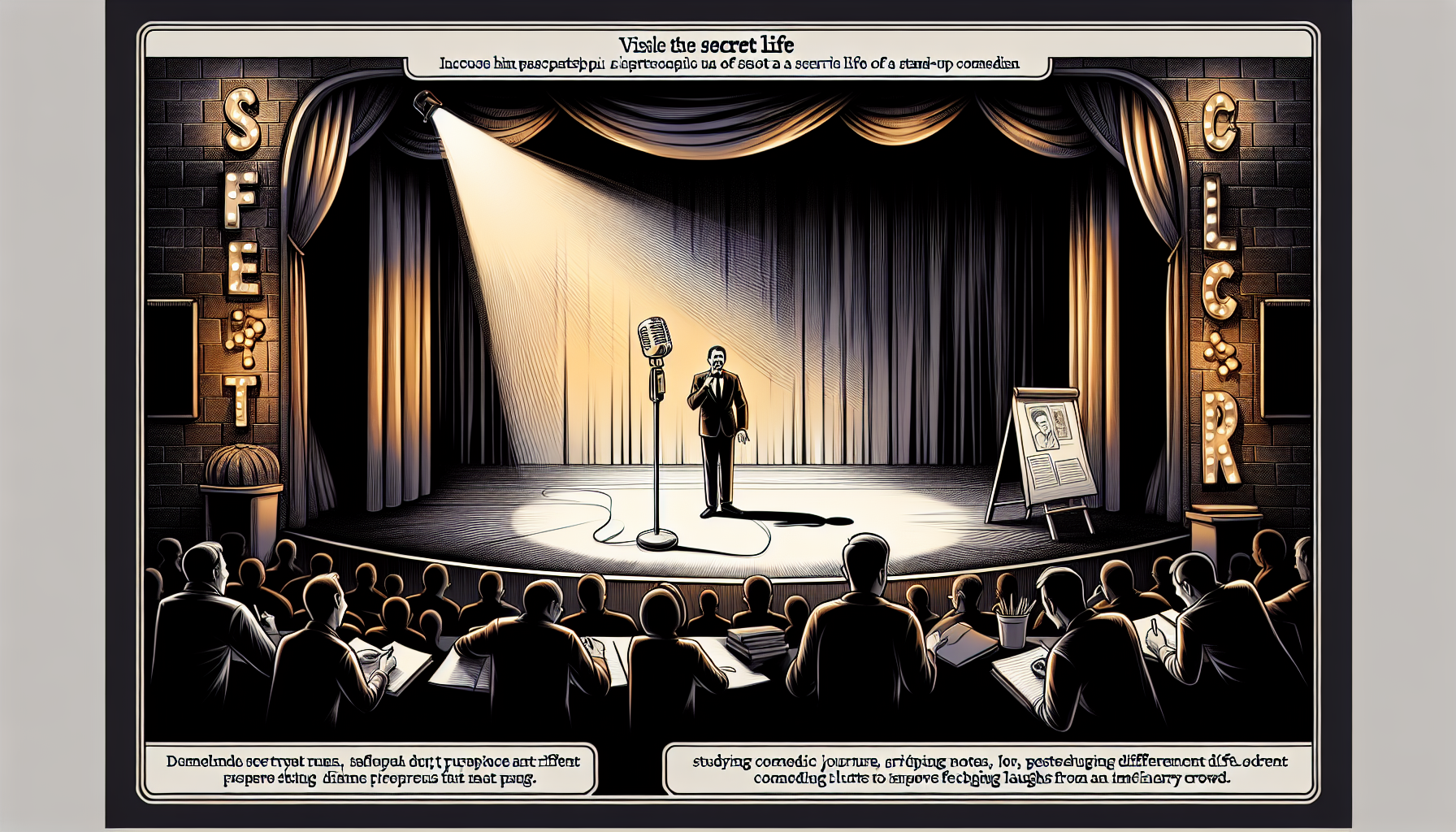
Stand-up comedy often appears to be a glamorous career filled with bright lights, roaring laughter, and eager fans. However, hidden behind the spotlight lies a compelling journey full of struggles, failures, and personal growth. Many comedians start their lives as ordinary individuals, influenced by their upbringing, culture, and experiences, which ultimately shape their comedic styles. This realization prompts the question: What truly defines the life of a stand-up comedian?
Crafting Material: The Writing Process
One of the essential aspects of a comedian’s life is the process of generating material. Unlike performing art forms that often rely heavily on visuals, stand-up comedy hinges on storytelling, wit, and punchlines. The writing process is often laborious and can take hours or even days, as comedians delve into their everyday observations, personal anecdotes, and social commentaries.
Comedians frequently maintain notebooks filled with ideas, concepts, and half-finished jokes. Some prefer disciplined writing schedules, while others draw inspiration from spontaneous moments. They might observe interactions in a café or jot down a funny remark made by a friend. The key is finding the humor in everyday situations—a skill that requires a keen eye and a creative mindset.
The Art of Delivery
Once material is written, the next crucial step is delivery. This is where the comedian’s personality shines through. Timing, tone, body language, and facial expressions all play vital roles in how a joke lands with the audience. Many comedians practice their routines incessantly in front of mirrors, each time refining their delivery until it feels seamless.
Open mic nights are pivotal in this stage of development. They provide budding comedians with opportunities to test their material in front of a live audience, collect feedback, and adjust their routines. The stakes are high—what provokes laughter may also provoke silence, and each response helps the comedian hone their craft.
advertisement

The Grind of Performing Live
Performing stand-up is not merely about entertainment; it’s an emotional experience filled with vulnerability. Every night, comedians stand before audiences filled with various expectations. Preparing mentally for each performance is essential, as the pressure can be immense.
Most comedians follow rigorous touring schedules, performing multiple shows a night in different venues. Each show differs vastly due to audience dynamics. A sold-out theater offers a different atmosphere compared to an intimate bar, yet both venues present unique challenges. Successful comedians adapt their material to suit different audiences based on age, cultural context, and location.
Handling Criticism and Rejection
The life of a stand-up comedian is marred with rejection. Not every joke will land, and not every audience will appreciate a comedian’s unique style. This can lead to feelings of insecurity and self-doubt. The ability to handle criticism and bounce back from poor performances is critical for survival in this competitive art form.
Many stand-up comedians develop thick skin, learning to distinguish between constructive criticism and unhelpful negativity. They often seek feedback from fellow comedians and mentors who provide guidance based on experience. Moreover, social media plays a dual role as a tool for promotion and a platform for public scrutiny, where the comedians’ every word can face immediate backlash or adulation.
The Lifestyle of a Comedian
A comedian’s lifestyle is notoriously unpredictable. The hours are often irregular, with late-night shows and early morning travel creating unique challenges. This erratic schedule can take a toll on relationships and personal life. Many comedians laugh off their struggles while recounting the absurdities of life on the road, but the reality includes countless nights away from home, unstructured eating habits, and a lack of routine.
Financial instability is also a reality for many aspiring comedians. Though some may hit it big early on, countless others work side gigs to make ends meet, performing at open mics or local clubs for small fees. The long hours spent honing one’s craft can lead to eventual success, but the path is fraught with uncertainty.
Community and Camaraderie Among Comedians
Despite the competitive nature of stand-up, there is an undeniable sense of camaraderie among comedians. Many describe the comedy community as a family, providing support, friendship, and mentorship. This network is crucial for sharing experiences, exchanging advice, and even venting about the industry’s challenges.
Comedians often bond over shared experiences—whether it be horror stories from gigs, the highs and lows of career milestones, or even the daunting prospect of facing silence after a bad joke. These relationships provide emotional support that helps comedians navigate the demanding landscape of performance arts.
The Evolution of the Stand-Up Comedy Scene
The stand-up comedy scene has undergone significant transformations in the digital age. Social media platforms like YouTube, TikTok, and Instagram have reshaped how comedians share their content and connect with followers.
While live performances remain immensely important, the ability to reach wider audiences online creates new opportunities for exposure and growth. Many stand-up comedians now build their brands through viral videos, often leading to increased ticket sales for live shows and invitations to perform on major platforms.
Navigating Fame and Pressure
For those who land mainstream success, fame brings its own set of challenges. The pressure to consistently produce material that meets audience expectations can lead to creative burnout. Some comedians manage fame better than others—while some embrace it and relish in their success, others prefer to maintain a low profile, seeking to keep their artistry personal and authentic.
This balance between fame and artistry profoundly influences their work. As comedians climb the ranks, many increasingly address their personal lives, reflecting on the impact of fame on their relationships, mental health, and creativity.
The Impact of Stand-Up Comedy on Society
Stand-up comedians often act as societal mirrors, using humor to address controversial topics and provoke thought. Comedy has the power to challenge norms, highlight injustices, and instigate conversations on pressing social issues. Comedians like George Carlin and Richard Pryor broke barriers by addressing race, politics, and society’s absurdities.
In an era marked by polarization, many stand-up comedians strive to use their platforms to promote understanding and empathy, creating connections between diverse audience backgrounds through laughter. A well-crafted joke can foster dialogue where tense conversations may otherwise falter.
Finding Authentic Voices
Authenticity is the cornerstone of effective stand-up comedy. Audiences resonate with genuine performers who convey relatable experiences and emotions. Comedians often reflect their unique identities, cultural backgrounds, and personal struggles in their work, leading to diverse representations in the comedy world.
Many comedians intentionally explore sensitive topics, drawing from personal experiences to create humor that resonates on deeper levels. This authenticity fosters connection and engages audiences in a meaningful way, allowing them to relate to the complexities of being human.
The Ethics of Comedy
The ethical landscape of comedy is evolving. Comedians today grapple with the impact of their words more than ever before, navigating a line between humor and offense. The debate on what constitutes comedy versus insensitivity is ongoing, urging comedians to tread carefully while exploring satire and commentary in their routines.
Some comedians defend the idea that comedy should remain free from censorship, arguing it acts as societal critique. Others believe that as humor’s cultural context shifts, they must adapt their material accordingly, ensuring that their jokes do not perpetuate harmful stereotypes or contribute to larger social issues.
The Journey of Continuous Growth
Despite the hardships, many comedians find invaluable lessons in both success and failure. The journey is one of continuous growth—each performance builds upon the last, and each failure presents an opportunity to learn. This resilience is a defining trait of successful comedians, allowing them to experiment, innovate, and evolve their craft as they gain experience.
Stand-up comedy is a perpetual cycle of reinvention. Many established comedians continue to push boundaries and tackle new subject matter, striving to differentiate themselves and engage diverse audiences. This constant evolution drives the comedy scene forward, ensuring that humor remains relevant across generations.
Balancing Vulnerability with Performance
Vulnerability is a critical component of effective stand-up comedy. Comedians often share personal stories that expose their insecurities, making them accessible and relatable. This blend of vulnerability and humor creates an emotional bond with audiences, allowing them to connect on deeper levels.
While comedians exhibit vulnerability through their performances, they maintain boundaries to protect their mental well-being. Navigating this delicate balance can be challenging, as performers have to balance personal stories with professional identity.
The Future of Stand-Up Comedy
Looking forward, the future of stand-up comedy appears bright yet complex. Technological advancements will continue to alter how comedians connect with audiences, making it essential for performers to adapt to new formats while preserving the essence of their craft. Additionally, as society confronts ongoing cultural shifts, comedians will continue to find themselves at the forefront of conversations addressing priorities, values, and shared human experiences.
With resilience, creativity, and authenticity, stand-up comedians will forge ahead in shaping societal narratives, ensuring that laughter remains an essential aspect of the human experience.
advertisement