The Rise of Streaming Services: A Transformation in Entertainment
The Evolution of Video Consumption
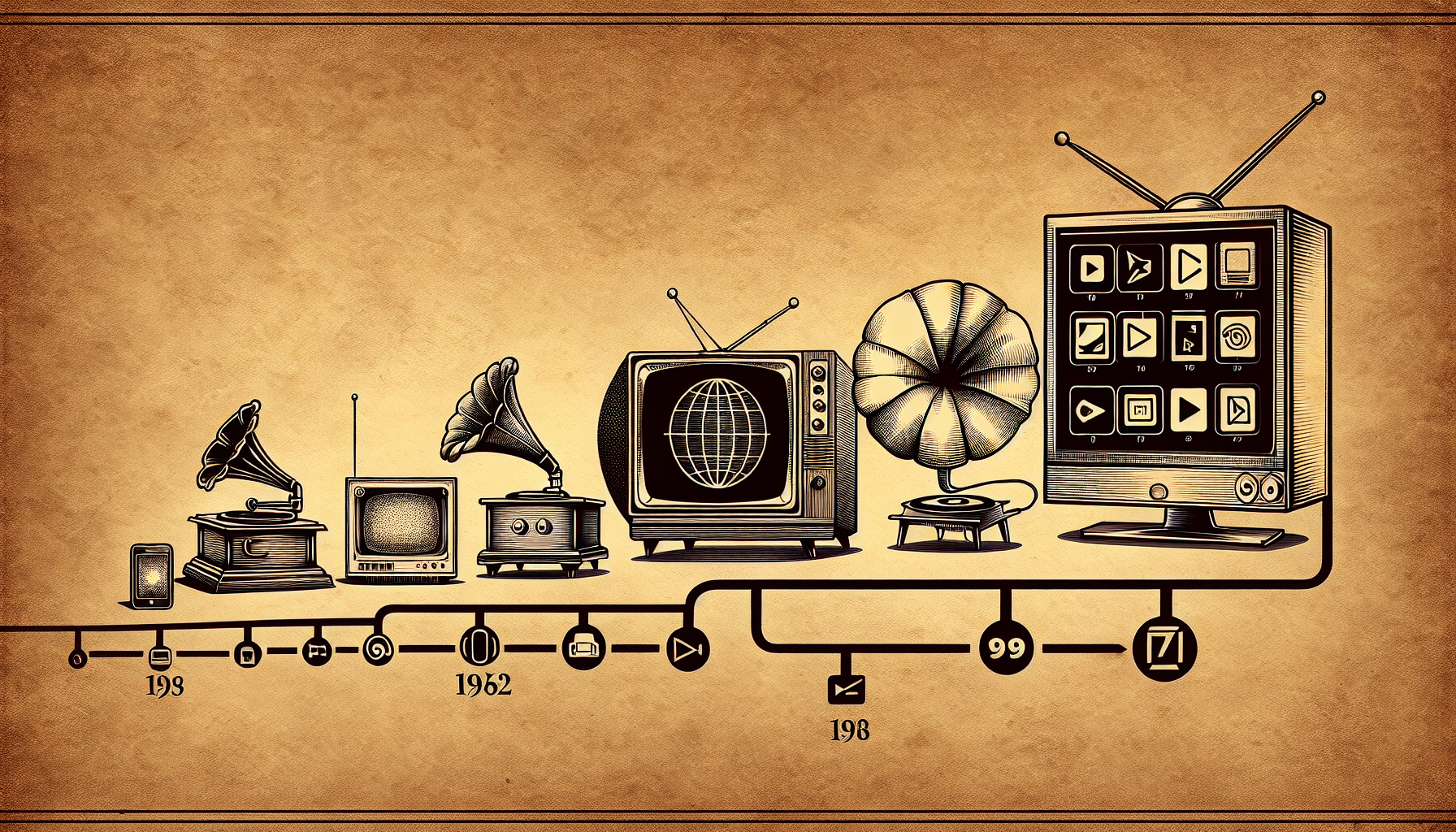
In the early days of television, families clustered around a single screen to watch scheduled programming. The advent of cable television in the 1980s brought an unprecedented number of channels into homes, expanding viewer choice while still maintaining a linear viewing experience. However, the real revolution began with the internet.
The introduction of broadband internet in the early 2000s marked a significant shift in how audiences consumed content. With faster download speeds and wider accessibility, people began to explore video-on-demand (VOD) platforms, which allowed for flexibility in viewing habits. Traditional cable subscriptions were no longer the only source of entertainment; viewers craved convenience and control.
Birth of Streaming Platforms
The first significant player in the streaming industry was Netflix, which started as a DVD rental service in 1997. In 2007, the company launched its streaming service, changing the game forever. By allowing subscribers to watch movies and TV shows on-demand, Netflix eliminated the inconvenience of physical rentals, setting a new standard. Hulu followed suit in 2008, featuring not only movies and original content but also current episodes of popular television shows, appealing to audiences who wanted to catch up on their favorites without waiting for reruns.
The arrival of Amazon Prime Video in 2011 added another layer to the competition, as it was packaged within the broader Amazon Prime subscription, giving consumers more value. Technology continued to advance, making streaming accessible across various devices, including smart TVs, tablets, and smartphones. This accessibility fueled a cultural shift away from traditional viewing methods.
Impact on Content Creation and Distribution
As streaming services grew in popularity, they began to impact the production and distribution of entertainment content significantly. The traditional model relied heavily on advertising revenue and box office sales, which created pressure to cater to mainstream tastes. Streaming, however, allowed for niche programming that appealed to diverse audiences, paving the way for innovative content.
advertisement

Original programming became a hallmark of Netflix’s strategy, with shows like “House of Cards” and “Orange Is the New Black” quickly garnering critical acclaim and massive viewership. This shift encouraged other platforms—Hulu, Amazon Prime, and later, Disney+ and HBO Max—to invest in original content, creating what has been termed the “Golden Age of Television.” This era is characterized by high production values, complex storytelling, and extensive character development, attracting top-tier talent and driving subscription growth.
Changing Audience Engagement
One of the most significant changes brought about by streaming services is the way viewers engage with content. Binge-watching became a phenomenon, as episodes of a series would be released all at once, allowing audiences to consume them at their own pace. The practice transformed how shows were written and structured, leading to more serialized narratives that kept viewers hooked.
Furthermore, streaming platforms introduced recommendation algorithms, which analyze viewer preferences and suggest tailored content. This level of personalization enhances the viewing experience and significantly increases content discovery, often leading to the exploration of genres and shows that audiences may not have considered otherwise.
The Rise of Global Content
Streaming services have also fostered a global content ecosystem. Shows like the Spanish series “Money Heist” and the Korean drama “Squid Game” gained international acclaim, proving that compelling narratives can resonate across cultures. The ability to stream content from various countries broadens horizons for audiences and encourages the development and distribution of diverse storytelling.
This globalization of content has challenged traditional Hollywood paradigms, pushing media companies to adapt. In response to increasing competition, major studios began partnering with streaming services, contributing to a more cooperative and blended entertainment landscape. TikTok and other social media platforms further influenced viewing habits, encouraging shorter forms of content and unique storytelling methods.
Challenges Faced by Streaming Services
Despite their successes, streaming services have faced numerous challenges. Content licensing can be complex, as companies must navigate multiple contracts and rights management issues. Additionally, with a growing number of platforms, fragmentation has become a concern. Consumers now must subscribe to multiple services to access all their desired content, leading some to critical discussions about subscription fatigue.
As the competition intensified, major tech companies such as Apple and Google launched their own streaming services, creating an oversaturated market. This saturation has led to increased subscription prices, prompting questions about the long-term sustainability of the subscription model. How long will consumers be willing to pay for multiple streaming services, particularly when some produce less engaging content than others?
The Future of Entertainment Consumption
The future of entertainment is expected to be shaped by technological advancements and changing consumer preferences. The rapid growth of virtual reality (VR) and augmented reality (AR) offers new avenues for immersive storytelling. Companies are beginning to experiment with these technologies, projecting a future where viewers can interact with content in unprecedented ways.
Moreover, advancements in broadband technology, such as 5G, will enhance the streaming experience through faster speeds and reduced latency. This evolution will empower platforms to provide higher-quality streaming, such as 4K and 8K resolution, while also integrating virtual reality experiences seamlessly into traditional viewing.
Monetization Strategies of Streaming Services
The monetization of streaming services has diversified over time. While subscription-based models remain prevalent, ad-supported tiers are gaining traction. Many platforms are introducing ad-supported options at a lower subscription price, appealing to cost-sensitive consumers while still generating revenue through advertising.
For example, Disney+ recently incorporated this model, allowing viewers to choose between an ad-free experience or a cheaper option with ads. This move highlights the evolving landscape of streaming revenue, where companies must balance consumer experience with profitability.
Changing the Role of Traditional Media
The rise of streaming services has prompted traditional media outlets to adapt their business models significantly. Cable television is facing declining subscriptions as younger viewers increasingly turn to streaming for their entertainment needs. Many cable channels have launched their own on-demand platforms in response, but they often struggle to capture the same level of engagement and subscriber loyalty as established streaming giants.
Box office revenues have also been affected, particularly in the wake of the COVID-19 pandemic, which accelerated the trends toward digital content consumption. Movie studios have shifted releases to streaming platforms, allowing audiences to enjoy films from the comfort of their homes. This shifts the landscape of how films are marketed and appreciated, challenging long-standing traditions in Hollywood.
Consumer Behavior and Trends
As streaming continues to evolve, consumer behavior is shifting in tandem. Viewers are becoming more demanding and conscious of their content choices. The emphasis on diversity and representation in programming reflects a societal demand for inclusive narratives. Audiences are no longer passive consumers; rather, they seek to engage with brands and content that align with their values and interests.
Social media has become an influential factor in shaping viewer preferences. Platforms such as Twitter and Instagram fuel conversations around trending shows and characters, driving viewers to tune in based on social buzz. Streaming services that harness social engagement—creating shareable content and fostering community around shows—will have a distinct advantage in this interactive digital age.
Conclusion: The Ongoing Evolution
As streaming services continue to redefine entertainment, their rise has left a lasting impact on how we consume visual content. The shift from traditional linear programming to on-demand services has changed not only viewing habits but also the way content is created, circulated, and consumed.
The evolution of this industry invites us to continuously reflect on the relationship between technology and storytelling and to consider how future developments will shape entertainment for audiences worldwide. While challenges lie ahead, the streaming landscape presents an exciting opportunity for further innovation, creativity, and collaboration within the entertainment ecosystem.
advertisement