The Beginnings in The Bronx (1970s)
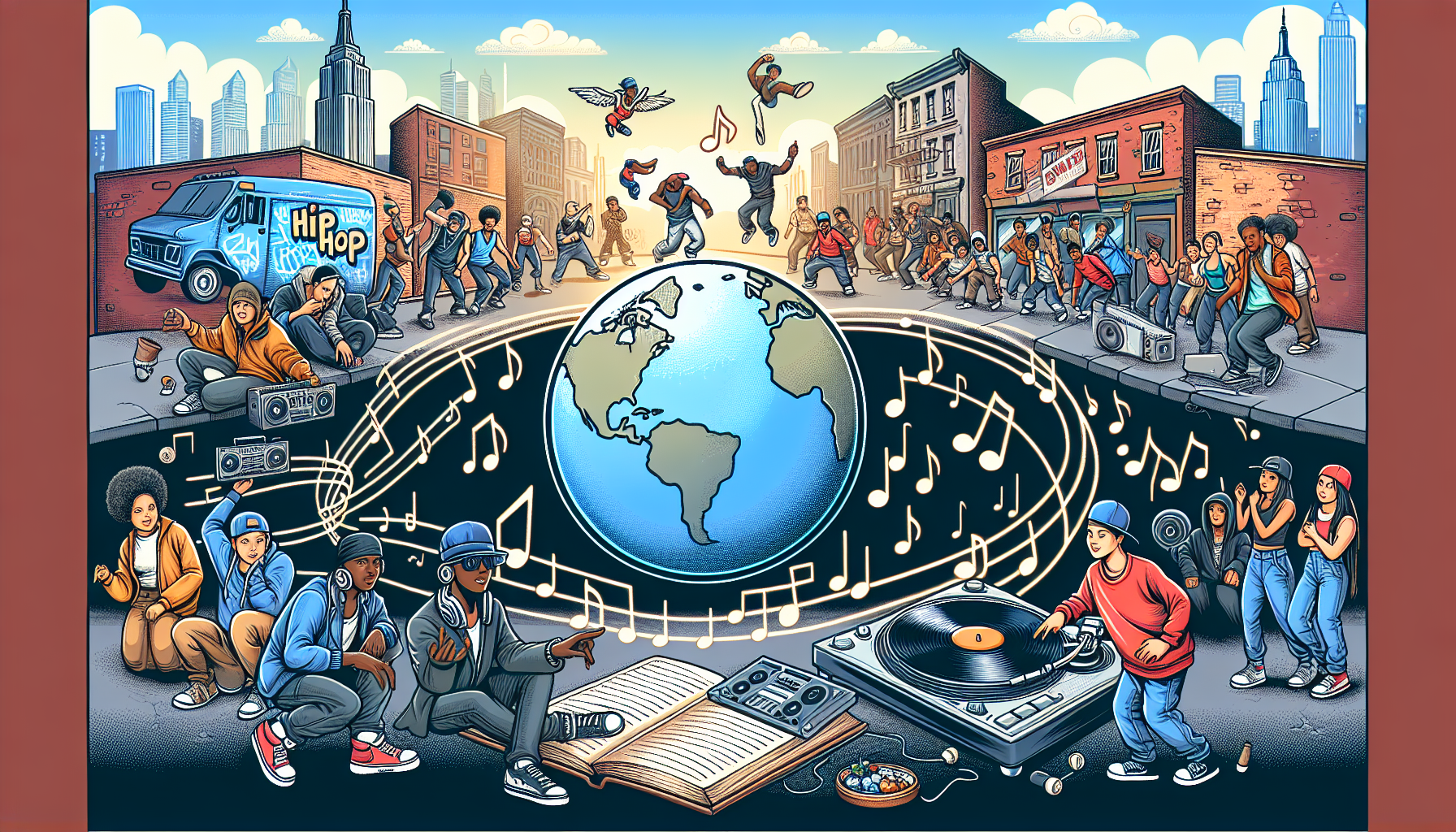
Hip hop originated in the late 1970s in the Bronx, New York City, as a cultural movement that combined various elements: rapping, DJing, breakdancing, and graffiti art. The genre emerged in response to social and economic challenges facing the community, providing a voice for marginalized groups and a platform for self-expression.
Kool Herc and the Birth of DJing
The genesis of hip hop is often credited to DJ Kool Herc, who is recognized for his innovative techniques at block parties. He utilized two turntables to extend breaks in records, allowing dancers to showcase their skills. Herc’s style centered around rhythmic beats, which crafted the foundational sound of hip hop.
The First MCs
As DJing evolved, the role of MC (master of ceremonies) became pronounced. Early MCs like Coke La Rock and Grandmaster Caz began rapping over the beats, delivering spontaneous rhymes that engaged the audience. This interplay between DJs and MCs set the stage for a new genre to flourish.
advertisement

The Formation of Hip Hop Culture (1980s)
The South Bronx Block Parties
Throughout the early 1980s, block parties became synonymous with hip hop culture. These events were not only places for music but also hubs for socialization. Artists like Afrika Bambaataa and his 1973 track “Planet Rock” blurred the lines between funk and hip hop, incorporating electronic sounds that resonated with the era’s urban youth.
The Rise of Graffiti and Breakdancing
Hip hop was more than just music; it encompassed a whole culture. Graffiti artists like Jean-Michel Basquiat and Keith Haring used the walls of New York as canvases, depicting the struggles of inner-city life. Breakdancing, or B-boying, became a physical expression of hip hop culture, with crews like the Rock Steady Crew dominating the scene.
The Golden Age of Hip Hop (Late 1980s – Early 1990s)
Diverse Lyrical Themes
The late 1980s and early 1990s are often termed the “Golden Age of Hip Hop.” During this time, artists like Public Enemy, N.W.A., and A Tribe Called Quest emerged, bringing diverse themes ranging from political activism to everyday life experiences.
Emergence of Independent Labels
This era also saw the rise of independent record labels such as Def Jam, which played a critical role in promoting hip hop artists. In 1986, Run-D.M.C. exploded onto the scene, collaborating with Aerosmith on “Walk This Way,” bridging the gap between hip hop and rock music.
Mainstream Success and Commercialization (1990s)
Cross-Genre Collaborations
The 1990s marked a turning point with hip hop’s ascent into mainstream popularity. Artists like Tupac Shakur and The Notorious B.I.G. dominated the charts, infusing their music with vivid storytelling and chronicling the realities of street life. Their collaborations crossed genres and attracted massive audiences, exemplified by Tupac’s partnership with Dr. Dre on “California Love.”
The Rise of Regional Styles
As hip hop gained momentum, distinct regional styles began to flourish. The West Coast, led by Dr. Dre, introduced the G-funk sound characterized by funk samples and synthesizers. Conversely, the East Coast maintained a gritty, sample-heavy production style. Meanwhile, the South gave rise to its unique flavor with artists such as OutKast and Scarface.
East Coast vs. West Coast Rivalry
In the mid-1990s, tension heightened between East and West Coast artists, culminating in the infamous rivalry that contributed to the tragic deaths of Tupac and Biggie. This conflict showcased the darker side of hip hop culture, revealing how competition could lead to destructive outcomes, yet it also heightened media interest and commercial prospects.
The New Millennium and Globalization (2000s)
The Internet and Digital Age
The new millennium marked a seismic shift as the internet changed how music was distributed and consumed. Platforms like MySpace and, later, YouTube allowed budding artists to reach audiences without traditional label backing. This democratization of music led to the rise of artists such as Eminem, who became one of the best-selling artists of all time.
Diverse Subgenres
The early 2000s witnessed the birth of various hip hop subgenres, including crunk, trap, and emo rap. Artists like Lil Jon as pioneers of crunk, and T.I. popularized the Southern rap scene, paving the way for trap music through its heavy beats and lyrical focus on street life.
The Global Phenomenon (2010s)
International Influence and Worldwide Recognition
By the 2010s, hip hop had transcended cultural boundaries. South Korean rapper PSY’s “Gangnam Style” became a global sensation, demonstrating hip hop’s ability to adapt and incorporate diverse sounds. In the United Kingdom, artists like Stormzy and Skepta emerged, blending grime and hip hop to create a distinctive sound, while Afrobeat influences infused by artists like Burna Boy brought African music into the hip hop conversation.
Women Breaking Ground in Hip Hop
This era also witnessed an increase in female representation with artists such as Nicki Minaj, Cardi B, and Megan Thee Stallion taking the spotlight. Their success not only showcased individuality but also challenged gender norms within hip hop, asserting female agency in a male-dominated industry.
The Evolution of Themes and Lyrics
Social Movements and Cultural Commentary
As hip hop continued to grow, it maintained its roots in social commentary. The Black Lives Matter movement prompted a resurgence of politically charged music, with artists like Kendrick Lamar and J. Cole addressing systemic racism and inequality through their powerful lyrics. Albums like “To Pimp a Butterfly” positioned hip hop as an intellectual and cultural commentary, resonating with audiences worldwide.
The Business of Hip Hop
Merchandising and Branding
As hip hop solidified its place in mainstream culture, it became a lucrative business. Artists expanded their brands through fashion lines, endorsements, and luxury collaborations. Jay-Z’s Rocawear and Kanye West’s Yeezy brand demonstrated how hip hop artists could leverage their influence beyond music.
Streaming Revolution
The advent of streaming platforms changed how artists monetize their music. Platforms like Spotify and Apple Music paved the way for a new revenue model, allowing listeners easier access to hip hop. This shift emphasized the importance of singles over albums, as artists aimed to capture listeners’ attention amidst a saturated market.
The Contemporary Scene (2020s)
Diversity and Inclusivity
As we entered the 2020s, hip hop’s landscape became more diverse, welcoming artists from various backgrounds and styles. Genres such as Lo-fi hip hop, which emphasizes mellow beats and chill vibes, emerged, appealing to a broader audience and integrating elements from different musical traditions.
Social Activism and Influence
Current artists continue to use their platforms for social activism. Songs addressing topics like mental health, racial injustice, and climate change resonate with fans, illustrating hip hop’s role as both a musical genre and a powerful tool for change.
Future Trends and Predictions
Technological Integration
With advancements in technology, hip hop may continue to evolve with AI-driven music production and virtual concerts. The rise of virtual reality spaces could further change how fans engage with their favorite artists, shaping a new era for live performances and fan interactions.
Conclusion
The evolution of hip hop from its roots in the Bronx to global dominance illustrates the genre’s resilience and adaptability. Through every era, hip hop has continuously reflected the social, cultural, and economic landscapes of its time. Its journey demonstrates not just a musical evolution but a historical narrative of a marginalized community rising to international acclaim. From block parties to digital streams, hip hop remains a powerful voice, resonating across the globe.
advertisement