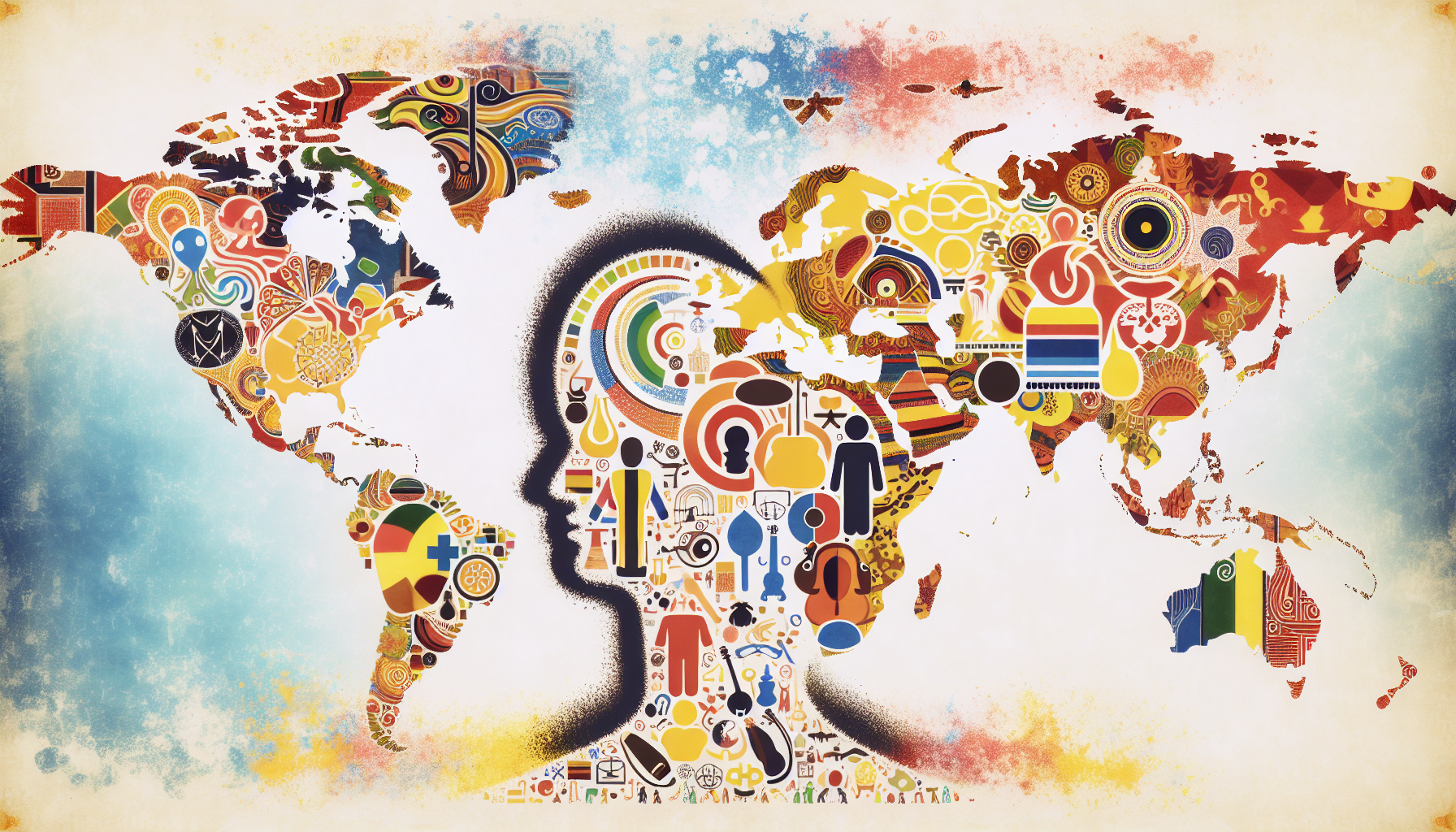
Exploring the Influence of Culture on Identity
Understanding Identity
Identity is a complex construct influenced by a variety of factors that include personal experiences, societal structures, and cultural backgrounds. It incorporates elements such as ethnicity, nationality, gender, socio-economic status, and more. As individuals navigate their lives, these factors converge, shaping how they perceive themselves and how they are perceived by others.
The Role of Culture in Shaping Identity
Culture encompasses the shared beliefs, values, norms, and practices that characterize a group. It serves as a lens through which individuals interpret experiences and make sense of their place in the world. Cultural identity is a subset of identity that arises from the understanding and affiliation with one’s cultural groups.
Cultural Norms and Values
advertisement

Cultural norms dictate acceptable behaviors within a community. These norms shape individuals’ impulses, judgments, and social interactions. For instance, in collectivist cultures such as those found in many Asian and African societies, relationships and community welfare often take precedence over individual desires. This can lead to a sense of identity that is interwoven with family and communal ties.
Conversely, in individualistic societies, such as the United States and much of Western Europe, individuals are often encouraged to prioritize personal goals and self-expression. The impact of these differing cultural contexts can lead to significantly different identities, highlighting the importance of culture in shaping self-perception and social roles.
Language as a Cultural Identity Marker
Language is a profound element of cultural identity. It not only serves as a means for communication but also embodies values, traditions, and worldviews. Bilingual or multilingual individuals often find that they switch identities based on the language being spoken. Certain dialects or vernaculars may have cultural connotations that directly influence how speakers view themselves and how they are perceived within different cultural groups.
For immigrants, language can also be a tool for preserving cultural identity in a new environment while simultaneously facilitating integration into the dominant culture. The push-and-pull between maintaining linguistic ties to one’s heritage and adopting a new language illustrates how culture shapes and transforms identity over time.
Media and Popular Culture
The impact of media and popular culture on identity formation cannot be overstated. Television, film, music, and social media platforms are potent tools that disseminate cultural norms and values globally. They can reinforce stereotypes but also provide representation for marginalized groups.
For instance, the portrayal of diverse characters in films can influence the self-esteem and identity formation of individuals within those groups, showcasing both the need for representation and the danger of misrepresentation.
With the rise of social media, individuals are able to curate online identities, often influenced by prevailing cultural trends. This creates a dynamic interplay between personal identity and cultural trends, as people navigate their need for acceptance and belonging within varying cultural contexts.
Cultural Traditions and Identity Formation
Cultural traditions play a pivotal role in identity formation. Rituals, ceremonies, and celebrations send strong messages about identity rooted in ethnicity, religion, or nationality. For example, adolescence in various cultures is marked by rites of passage that reinforce community ties and cultural significance, such as bar or bat mitzvahs in Jewish traditions, or quinceañeras in Latin American cultures.
Moreover, family traditions, whether they involve holiday gatherings, culinary practices, or storytelling, contribute to one’s sense of belonging. Through these practices, individuals understand their heritage and lineage, fostering a sense of pride and continuity.
Intersectionality and Identity
The concept of intersectionality, introduced by Kimberlé Crenshaw, highlights how overlapping identities—such as race, gender, class, and sexuality—intersect to uniquely shape individual experiences. Cultural influences can vary dramatically depending on these intersections.
For instance, a Black woman’s identity is informed not only by her race but also by her gender and the cultural narratives surrounding both. In handling the complexities of identity, intersectionality sheds light on the unique socio-cultural pressures and experiences faced by individuals who inhabit multiple marginalized identities.
Cultural Displacement
Cultural displacement occurs when individuals find themselves in an alien environment, prompting questions about identity and belonging. Immigrants and refugees often face a cultural clash that can lead to an identity crisis. The struggle to adapt to a new culture, while simultaneously holding onto one’s heritage, can create a hybrid identity.
For example, second-generation immigrants frequently navigate the expectations of their parents’ culture while assimilating into the dominant culture of their homes. This can lead to conflicts and a distinct cultural identity that reflects both their parents’ traditions and the broader societal norms they encounter daily.
Globalization and Cultural Exchange
Globalization has intensified the exchange of cultural ideas, leading to a phenomenon known as cultural hybridity. This can result in the blending of cultural practices, resulting in new forms of identity. For example, the popularity of fusion cuisine exemplifies how cultural interactions can yield innovative culinary identities that reflect a mix of cultural influences.
While globalization offers opportunities for cross-cultural connections, it can also threaten cultural identities, as dominant cultures sometimes overshadow local traditions. This raises concerns about cultural authenticity and the preservation of unique identities amidst rapid global change.
Cultural Resilience and Identity Reconstruction
Throughout history, individuals and communities have shown remarkable resilience in maintaining cultural identity amid adversity. Movements for cultural preservation often arise in response to external pressures or assimilation policies.
For example, Indigenous groups around the world have worked tirelessly to reclaim traditional practices and languages, emphasizing the significance of cultural identity in maintaining their right to exist within modern society.
As individuals actively engage in cultural practices and advocate for their cultural histories, they contribute to the ongoing evolution of identity—one that honors the past while adapting to contemporary realities.
The Role of Education in Cultural Identity
Education plays a crucial role in shaping cultural identity. Schools that incorporate multicultural education can foster an inclusive environment, where diverse identities are recognized and respected. Curriculum frameworks that celebrate cultural diversity help students develop a multifaceted understanding of their own identities and those of their peers.
Additionally, educators can use culturally relevant pedagogy to connect learning with students’ cultural backgrounds. This approach can affirm students’ identities and encourage pride in their cultural heritage while promoting an appreciation for diversity among all students.
Psychological Impacts of Cultural Identity
Cultural identity’s influence extends to mental health and overall well-being. A strong sense of belonging to a cultural group can foster resilience and positive self-esteem. Conversely, individuals who experience cultural dissonance or marginalization may face challenges, including depression, anxiety, and identity confusion.
Support networks within cultural communities can serve as vital resources, offering emotional and psychological support in navigating cultural complexities. Communities that celebrate cultural heritage and advocate for civil rights empower individuals, reinforcing a robust sense of identity.
Cultural Identity in a Digital Age
In the digital age, the formation and expression of cultural identity have undergone a transformation. Online platforms allow individuals to connect with others who share similar cultural backgrounds, fostering solidarity and support. This virtual space can amplify cultural expression, enabling individuals to showcase their heritage, language, and customs to a global audience.
However, the internet can also harbor cultural appropriation—a sensitive issue where dominant cultures adopt elements of marginalized cultures without acknowledgment or representation. This can lead to conflicts and a sense of cultural loss among those whose traditions are appropriated without context.
Advocating for Cultural Awareness
Cultural awareness and sensitivity are crucial in a globally interconnected world. Efforts to educate about and appreciate diverse cultural identities can mitigate misunderstandings and foster respect. Cultural competency training in workplaces, schools, and communities can aid in recognizing the value of diversity in reflections of identity.
Ultimately, promoting respect for cultural differences enriches society, encouraging cooperation and collaboration across cultural divides. The ongoing exploration of the interplay between culture and identity remains vital for nurturing understanding, empathy, and appreciation for the myriad identities that coexist within the global community.
Personal Narratives and Identity Formation
Personal narratives also elucidate how individuals negotiate their cultural identities. Through storytelling—whether written, oral, or digital—people articulate their experiences, struggles, and triumphs, contributing to the larger discourse on cultural identity.
These narratives serve as a bridge for understanding the complexities of identity and can foster empathy among audiences, opening the door for dialogue about cultural differences and shared human experiences.
Crafting identity through personal stories highlights not just individual experiences but also the collective heritage that shapes communities. Recognizing the power of personal narratives can empower individuals to embrace their identity while influencing broader cultural dialogues.
Intergenerational Influences on Cultural Identity
The relationship between generations also plays a significant role in cultural identity. Elders often serve as custodians of culture, passing down traditions, stories, and values to younger generations. However, the rate of change inherent in globalized societies can create generational divides, where younger members of a community may gravitate toward contemporary practices over traditional ones.
Balancing respect for ancestral heritage with modern influences can challenge individuals, making intergenerational dialogues essential. By fostering open communication and mutual understanding between generations, communities can sustain vitality within their cultural identities.
Additional Insights
Identity formation is an ever-evolving process, continuously influenced by the surrounding cultural landscape. The richness of cultural heritage, combined with contemporary experiences, enables individuals to renegotiate their identity throughout their lives.
In summary, the intricate relationship between culture and identity is profound, shaping how people experience the world and their place within it. Cultural influences profoundly impact individual identities—reflecting personal histories, social contexts, and global interactions. The dynamic interplay between these factors highlights the multifaceted nature of identity, which continues to evolve in response to the changing cultural tapestry of society.
advertisement