Emerging Trends in Sustainable Fashion
1. Circular Economy in Fashion
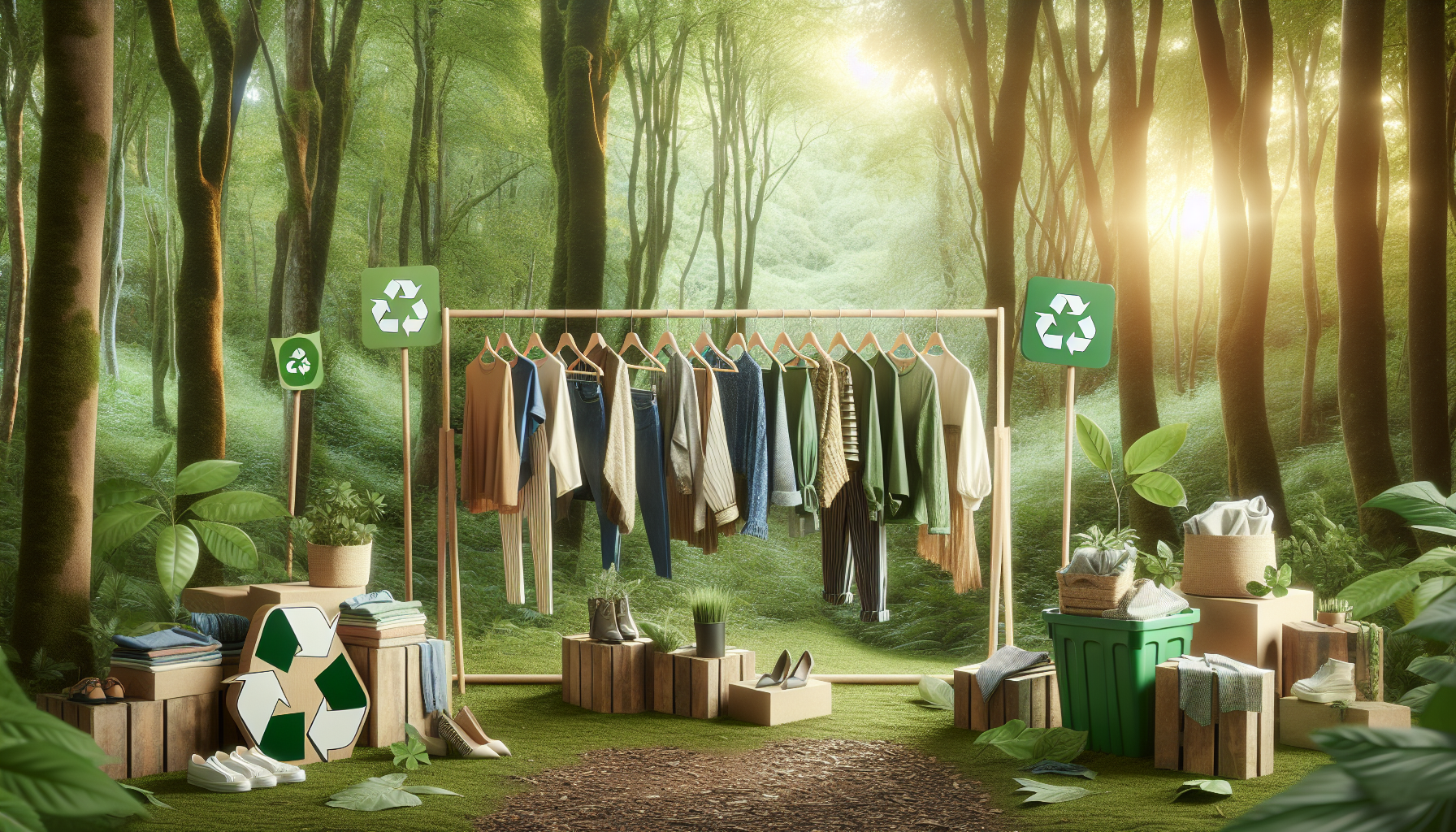
The circular economy is rapidly reshaping the fashion landscape, moving away from the traditional linear model of “take, make, dispose.” Circular fashion emphasizes the longevity and reusability of clothing and accessories. Brands are designing products for durability, ease of repair, and recyclability. Some innovative companies are adopting strategies that encourage consumers to return used items for refurbishment or recycling, therefore minimizing waste.
Key practices include:
- Upcycling: Transforming discarded materials into new products. This trend is becoming increasingly popular among brands looking to reduce waste and create unique offerings.
- Rental Systems: Companies like Rent the Runway have revolutionized clothing consumption, allowing consumers to rent clothes for special occasions rather than buying them.
Example Brand: Eileen Fisher has implemented a take-back program, allowing customers to return old clothing to be resold or recycled, effectively promoting a circular economy.
2. Biodegradable Materials
The quest for environmentally friendly materials is driving innovation within the fashion industry. Biodegradable fabrics, such as Tencel, organic cotton, and even innovative materials like biodegradable polyester, represent significant advancements. These materials decompose naturally, reducing landfill contributions over time.
Researchers are exploring options such as:
advertisement

- Mycelium Leather: Grown from mushrooms, mycelium leather is a sustainable alternative to animal leather, decomposing much more quickly without producing harmful waste.
- Organic and Recycled Materials: Brands are increasingly sourcing organic cotton and recycled polyester, minimizing environmental impact and utilizing resources responsibly.
Example Brand: MUD Jeans uses post-consumer recycled denim to create new products while promoting transparency in their supply chain, significantly reducing their carbon footprint.
3. Biotechnology and Fashion
Biotechnology is a rising frontier in sustainable fashion, leading to the invention of lab-grown fabrics and materials. This technology holds the promise of reducing dependency on natural resources and decreasing pollution.
Innovations in biotechnology include:
- Lab-Grown Leather: Companies like Modern Meadow and Ecovative are pioneering efforts to cultivate leather substitutes using bioengineering.
- Fabric from Waste: Innovative brands are creating fibers from agricultural waste, such as orange peels and banana fibers, turning byproducts into high-quality textiles.
4. Digital Fashion and Virtual Clothing
Digital fashion is gaining traction, particularly within the realm of online shopping and social media. Virtual clothing allows users to dress avatars in digital outfits, reducing the physical production and resource consumption associated with traditional apparel.
Notable trends in digital fashion include:
- Virtual Fitting Rooms: Brands are utilizing augmented reality (AR) to create virtual fitting rooms, allowing customers to visualize how clothes will look without the environmental cost of returns.
- NFT Fashion: Non-fungible tokens (NFTs) are emerging in the fashion space, enabling brands to create unique virtual items alongside traditional collections, driving engagement while reducing waste.
5. Sustainable Supply Chains
Transparency in sourcing and manufacturing is emerging as a pivotal component of sustainable fashion. Consumers today are more inclined to support brands that share their supply chain processes and demonstrate ethical practices.
Key elements of sustainable supply chains include:
- Traceability: Brands are investing in blockchain technology to improve traceability, allowing consumers to track the origin of their purchases.
- Ethical Labor Practices: Companies are striving to ensure fair wages and safe working conditions, with brands like Patagonia leading the charge on ethical labor practices.
6. Minimalism and Capsule Wardrobes
The minimalist movement has found its way into fashion, encouraging consumers to adopt capsule wardrobes— a small collection of interchangeable clothing pieces that can be styled in numerous ways. This trend promotes thoughtful consumption and a focus on quality over quantity.
Characteristics of minimalism in fashion include:
- Quality over Quantity: Consumers are more inclined to invest in high-quality, timeless pieces that won’t go out of style.
- Fewer Purchases: Adopting a minimalist wardrobe reduces overall consumption, leading to less production and waste, while fostering a more sustainable approach to personal style.
Example Brand: Everlane emphasizes transparency in pricing and ethical sourcing, offering minimalist designs that prioritize functionality and longevity.
7. Collaboration with Local Artisans
Emphasizing local craftsmanship and traditional techniques is becoming increasingly popular. Many fashion brands are collaborating with artisans to produce unique, sustainable items while supporting local economies.
Benefits of such collaborations include:
- Cultural Preservation: Traditional techniques and crafts are preserved, combining them with modern fashion sensibilities.
- Economic Support: Buying locally helps support artisans and communities, ensuring fair wages and social stability.
Example Brand: The Acey collaborates with local artisans to create limited-edition collections that feature heritage craftsmanship.
8. Eco-Conscious Consumerism
Today’s consumers are more informed and eco-conscious, driving demand for sustainable products. They actively seek brands that align with their values, opting for companies with transparent sourcing and sustainable practices.
Consumer trends include:
- Researching Brands: Shoppers are taking the time to research brands’ sustainability claims, often prioritizing those that are certified sustainable or have eco-labels.
- Support for Circular Initiatives: Many opt for second-hand clothing or participate in clothing swaps, showcasing a shift in how consumers approach fashion ownership.
9. Eco-Friendly Packaging
Sustainable packaging practices are essential to the movement towards responsible consumption. Brands are reevaluating their packaging methods to reduce waste and minimize their carbon footprint.
Strategies for eco-friendly packaging include:
- Biodegradable Materials: Utilizing compostable or recyclable materials in shipping and storing items.
- Reduced Packaging Waste: Brands are cutting down on excess packaging, embracing minimalism even in how products are presented.
Example Brand: H&M is actively pursuing circularity, not only in their clothing but also in their packaging, utilizing recycled materials and improving their logistics to be more environmentally friendly.
10. Technology and Innovation
Advancements in technology continue to support sustainable fashion through innovative production methods. These techniques reduce resource consumption while maintaining craftsmanship quality.
Examples of technology in sustainable fashion include:
- 3D Printing: This technology allows for on-demand production, reducing waste and the need for inventory management.
- Smart Textiles: Innovations such as textiles that regulate temperature or respond to environmental conditions are paving the way for smarter clothing solutions that enhance consumer experience.
11. Slow Fashion Movement
In contrast to fast fashion, the slow fashion movement emphasizes slow, thoughtful production processes. This approach advocates for sustainable practices, which improve quality and reduce the environmental impact of clothing production.
Key principles of slow fashion entail:
- Timeless Design: Creating pieces that remain stylish over time, encouraging consumers to invest rather than dispose of clothing.
- Artisanal Production: Focusing on craftsmanship and quality over quantity, reducing mass production’s ecological footprint by prioritizing longevity.
12. Wellness and Fashion Connection
The harmony between wellness and fashion is gaining attention, promoting styles that support both the individual and the planet. This trend intersects holistic living with sustainable practices.
Illustrative aspects include:
- Comfort and Functionality: Consumers are looking for clothing that promotes wellness—fabrics that feel good, are breathable, and promote wellbeing.
- Mindful Consumption: The focus on mental and physical health is guiding consumers toward brands that offer ethical fashion choices, positively impacting the individual and environment alike.
13. Adoption of Sustainable Manufacturing Practices
Brands are moving towards sustainable manufacturing processes that minimize water usage, limit CO2 emissions, and reduce energy waste. Innovations in dyeing, cutting, and assembling garments are pivotal.
Sustainable manufacturing methods include:
- Waterless Dye Technology: Some brands now employ techniques that drastically reduce the volume of water used in dyeing fabrics, minimizing environmental degradation.
- Energy-Efficient Production: Utilizing renewable energy sources during the production process encourages a shift toward a more sustainable manufacturing ecosystem.
Example Brand: Reformation meticulously tracks its carbon footprint, using eco-friendly materials and energy-efficient production methods to uphold its commitment to sustainability.
14. Social Impact and Inclusivity
Sustainability is now closely related to social impact, emphasizing inclusivity and fair labor practices across all demographics. This trend highlights the importance of diversity in representation, skill development, and equality within the industry.
Important considerations include:
- Diverse Representation: Brands are cultivating diverse models and engaging with communities from various backgrounds to support inclusivity.
- Empowerment through Skills: Collaborating with nonprofit organizations to provide job training and support programs for marginalized communities.
15. Educational Initiatives
Education about sustainable fashion is crucial for driving change. Fashion schools, workshops, and online courses are integrating sustainability into their curricula, training the next generation of designers and consumers.
Training initiatives involve:
- Sustainable Design Practices: Teaching future designers about materials, sourcing, and ethical practices foster deep understanding and care for sustainability.
- Consumer Awareness Programs: Workshops and campaigns aimed at educating consumers on the importance of sustainable choices can drastically influence purchasing behavior.
As trends continue to evolve in the world of sustainable fashion, the intersection of ethics, innovation, and consumer demand is propelling the industry towards a more responsible and inclusive future.
advertisement