The Evolution of Pop Music: From the 80s to Today
The 1980s: The Rise of Synth-Pop and MTV
The 1980s marked a significant turning point in pop music, characterized by the rise of synthesizers and the launch of MTV in 1981. The new medium of music video changed the radio landscape, allowing artists to promote their songs visually and reach wider audiences. Notable figures like Michael Jackson, Madonna, and Prince emerged, revolutionizing the music scene with their engaging performances and catchy tunes.
Synth-Pop Dominance
Synth-pop dominated the decade, with bands like Depeche Mode, Duran Duran, and New Order using electronic instruments to create a new soundscape. The genre’s innovative production techniques combined catchy melodies with the avant-garde, establishing a format that would influence numerous styles in years to come. Hits like “Just Can’t Get Enough” and “Blue Monday” exemplified this movement, highlighting the power of technology in shaping musical identity.
The Influence of MTV
MTV was groundbreaking, not just for offering a platform for artists but also for showcasing a visual culture that highlighted fashion, performance, and lifestyle. Iconic videos like “Thriller” and “Like a Virgin” played an essential role in shaping pop music’s popularity. The blending of music and image allowed artists to craft their identities in bold, visually striking ways, leading to a rich visual culture in pop that continues today.
The 1990s: The Diversification of Pop
The 1990s saw the diversification of pop music through various subgenres, including hip-hop, R&B, and teen pop. This decade was marked by significant cultural shifts and the blending of musical styles that appealed to a broader audience.
Teen Pop Explosion
Artists such as Britney Spears, Backstreet Boys, and *NSYNC dominated the charts, leading the teen pop wave. The emergence of teen pop was not just about music but also encompassed a broader marketing strategy, appealing to the youth culture and employing choreographed dance routines, slick production, and catchy lyrics. Teen pop’s influence laid the groundwork for future generations, with many current artists citing these acts as inspiration.
advertisement

R&B and Hip-Hop Integration
The 1990s also saw the rise of R&B and its intersection with pop. Artists like Mariah Carey and Whitney Houston blended pop hooks with R&B vocal techniques, producing chart-topping hits. Concurrently, hip-hop artists like Tupac Shakur and Notorious B.I.G. began to gain mainstream visibility, and their influence extended to pop, paving the way for future collaborations across genres.
The 2000s: The Era of Digitalization and Genre Blending
As the new millennium dawned, the internet began to reshape the music industry profoundly. Digital sales started to impact chart positions critically, and platforms like Napster revolutionized music consumption. This decade is notable for genre-blending and the emergence of diverse pop stars.
The Rise of Digital Music
The advent of iTunes in 2001 and the proliferation of mp3 players transformed how audiences accessed music. This accessibility encouraged experimentation among artists. Pop began to incorporate elements from various styles such as rock, electronic, and even folk. The genre-blending of the 2000s is exemplified by artists like Beyoncé and Usher, who drew from R&B, hip-hop, and electronic music in their works.
Pop-Punk and Alternative Influences
Pop-punk bands like Green Day and Blink-182 enjoyed massive commercial success, introducing a raw edge to the polished pop sound. Alongside this, alternative artists like Coldplay and Radiohead began to reshape perceptions of what pop could and should be, encouraging more introspective lyricism while retaining mainstream appeal.
The 2010s: The Mainstreaming of EDM and Social Media’s Impact
The 2010s saw electronic dance music (EDM) surge in popularity, coupled with a significant influence from social media platforms like YouTube, Instagram, and TikTok, which changed how music was discovered and shared.
The EDM Boom
Artists like Calvin Harris, David Guetta, and Zedd brought EDM to the mainstream. Collaborations between pop singers and EDM producers created chart-topping hits that dominated radio airplay and streaming services. Tracks like “Wake Me Up” and “Titanium” showcased the commercial viability of incorporating electronic sounds into traditional pop formats.
Social Media and Viral Trends
Social media became a crucial platform for artists to engage with fans and promote their music. Viral trends on platforms like TikTok reshaped marketing strategies and provided new avenues for artist discovery. Songs that gained traction on TikTok often translated to commercial success. Artists like Lil Nas X with “Old Town Road” illustrated how social media could propel a song into the limelight.
The 2020s: Genre Fluidity and Cultural Commentary
Entering the 2020s, pop music has become more inclusive and genre-fluid. The boundaries that once defined pop music have blurred significantly, creating a rich tapestry of sounds and collaborations.
The Power of Collaboration
Modern pop artists frequently collaborate across genres, with songs becoming a melting pot of various influences. Genres such as country, rock, and hip-hop blend seamlessly into pop tracks. Collaborations like those between Billie Eilish and Rosalía or Dua Lipa and Elton John underscore this trend.
Cultural Commentary and Authenticity
The current wave of pop music is characterized by a focus on authenticity and cultural commentary. Artists are increasingly using their platforms to discuss social issues, mental health, and political topics. Songs like Hozier’s “Take Me to Church” and Billie Eilish’s work navigate complex themes, reflecting a more profound societal engagement.
Innovative Sound and Production Techniques
Pop in the 2020s consistently pushes sonic boundaries with innovative production techniques. The rise of bedroom pop, driven by artists like Clairo and Rex Orange County, showcases a DIY approach that resonates with new audiences seeking authenticity. Integrating unconventional sounds and experimental production has led to a refreshed perspective on what pop music can sound like.
Global Influences and Expanding Horizons
As technology and globalization have increased connectivity, it has opened the doors to a diverse array of musical influences. K-pop’s meteoric rise illustrates the potential of cross-cultural exchanges within pop music. Groups like BTS and Blackpink have captivated global audiences, urging Western artists to embrace and incorporate international sounds into their work.
K-Pop’s Impact
K-pop artists break significant barriers, generating massive fan followings and influencing global music trends. Their meticulously produced music videos, elaborate choreographies, and social media strategies have set new standards for artist engagement. Western artists are increasingly collaborating with K-pop stars, bridging cultural gaps and embracing a globalized approach to pop music.
Conclusion: The Future of Pop Music
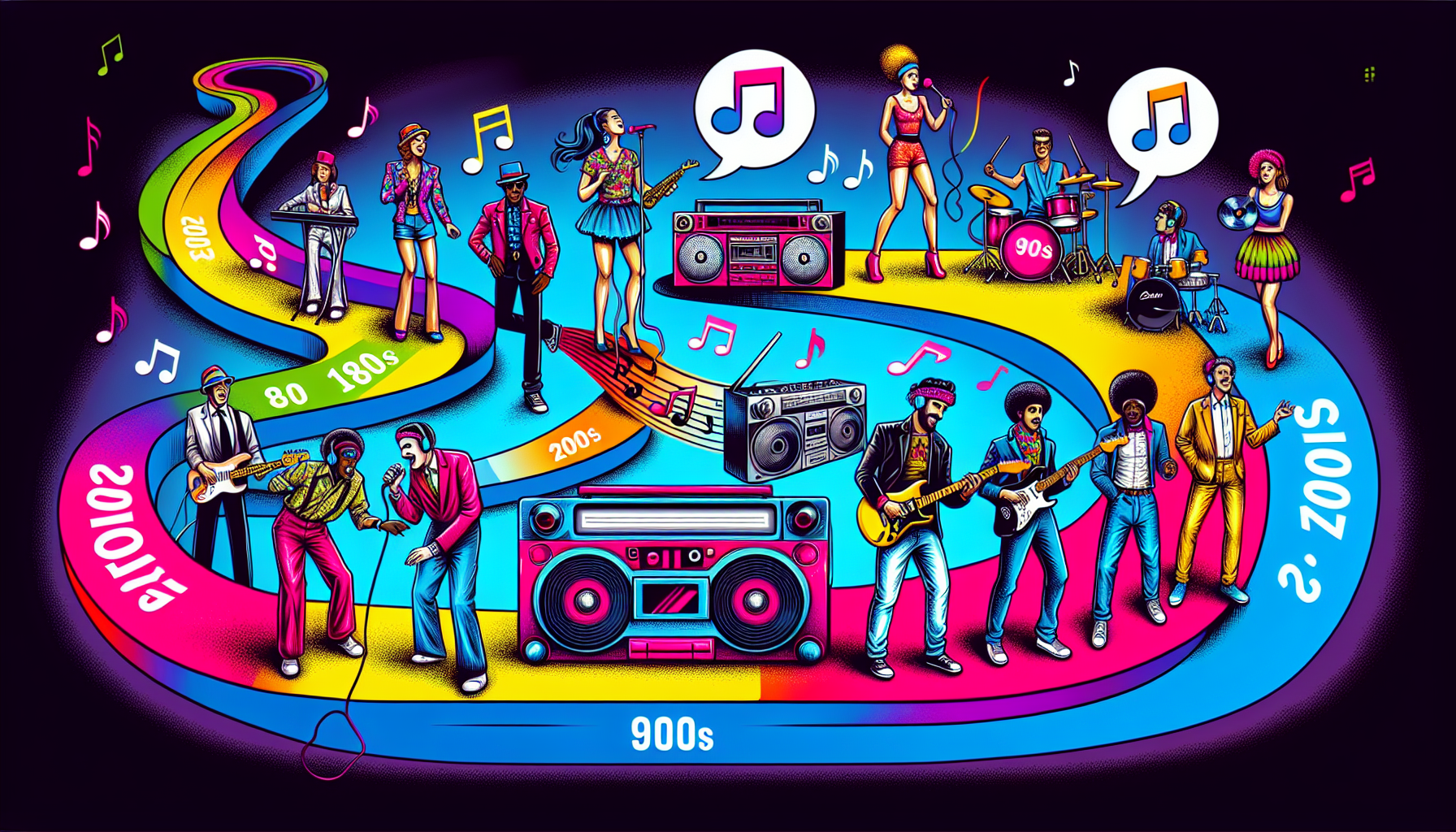
The evolution of pop music from the 1980s to today showcases an ever-changing landscape shaped by technological advancements, cultural shifts, and diverse influences. The genre has transformed dramatically, reflecting societal changes while also paving the way for new voices and narratives. The future of pop will undoubtedly continue to adapt, inviting new sounds, collaborations, and stories that resonate with audiences worldwide. As the genre evolves, it remains an essential part of global culture, connecting people through shared experiences and emotions.
advertisement