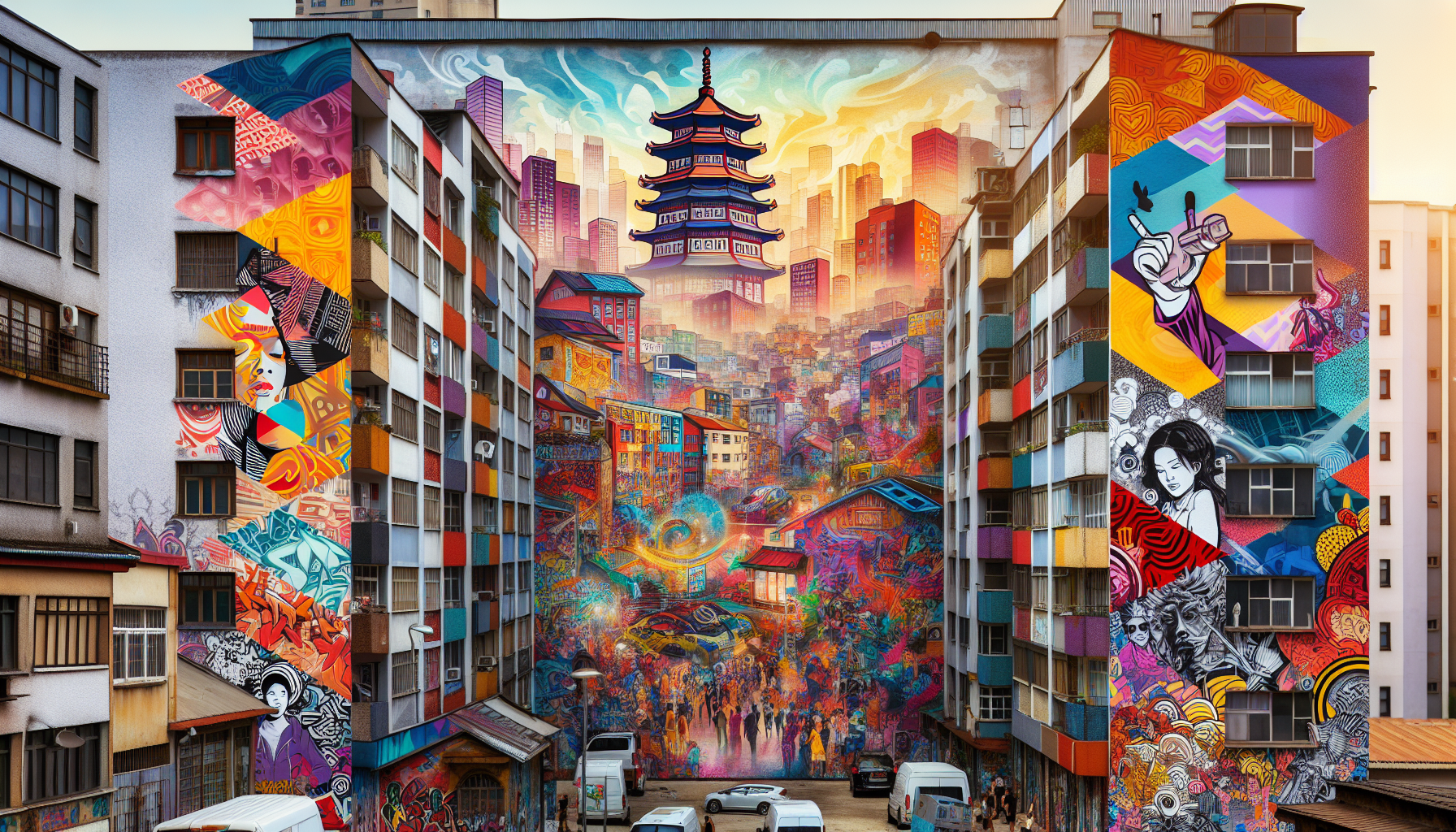
The Influence of Street Art on Urban Culture
Understanding Street Art: Definition and Forms
Street art is an umbrella term that encompasses a wide range of artistic expressions created in public spaces. It includes graffiti, murals, stencils, installations, and even performance art. Traditionally associated with anarchism and rebellion, street art has evolved into an influential aspect of urban culture, pushing the boundaries of public space and challenging societal norms.
Graffiti: The Foundational Element
Graffiti, often considered the foundational element of street art, involves writing or drawing on walls and public surfaces. Emerging in the late 1960s and 1970s, primarily in New York City, graffiti became a tool for marginalized voices to communicate their narratives. Artists like Keith Haring and Jean-Michel Basquiat began as graffiti artists, transforming urban walls into canvases of social commentary.
Murals: Community and Identity
Murals typically involve large, colorful artworks that cover entire building surfaces. They often reflect the cultural and historical significance of their surroundings, integrating community identity into urban landscapes. Muralists like Diego Rivera and modern artists such as Shepard Fairey use their art to express socio-political messages, capturing the spirit of communities and challenging the mainstream discourse.
The Role of Street Art in Urban Identity
Street art plays a crucial role in shaping urban identity. Cities like Berlin, Chicago, and London have become renowned for their vibrant street art scenes, drawing tourists and enhancing local culture. This transformation indicates a shift from viewing urban spaces solely as areas of commerce and residential living to seeing them as canvases for cultural expression.
Defining Place and Space
Street art serves to define place by reflecting the cultural narratives inherent to specific geographic locations. For instance, Austin, Texas, is renowned for its “Keep Austin Weird” murals, which encapsulate the city’s quirky character. Each stroke of paint contributes to the place’s identity, turning urban landscapes into visual storytelling sites that resonate with both locals and visitors.
advertisement

Bridging Divides
Street art often acts as a bridge between different social groups. In cities with complex demographics, murals and other forms of street art can instigate conversations about race, class, and identity. They prompt proactive engagement with societal issues, fostering understanding and compassion among diverse populations. In areas with high gang activity, artists have transformed walls once marked by violence into colorful murals, promoting peace and cooperation.
The Economic Impact of Street Art
In recent years, cities have recognized the economic potential of street art, leading to significant investments in urban beautification projects involving local artists. Neighborhoods once overlooked have seen revitalization through successful street art initiatives.
Boosting Tourism
Cities renowned for their street art often attract a surge in tourists. For example, the Wynwood Walls in Miami have become a world-famous destination, featuring large-scale murals from international artists. According to a 2019 study, areas with vibrant street art reported a 20% increase in tourism, enhancing local businesses and generating revenue.
Supporting Local Artists
Street art festivals such as the Murals in the Market in Detroit and the International Mural Festival in Montreal provide platforms for local artists to showcase their work. These events not only give artists visibility but also support the local economy by attracting visitors and enhancing community pride. The collaboration between artists, local governments, and businesses creates a sustainable cycle of economic growth and cultural enrichment.
Street Art and Social Movements
Street art serves as a powerful vehicle for social and political movements. Alleyways, crumbling walls, and public spaces have become sites where urgent social messages unfold. From the Black Lives Matter movement to climate change awareness, street artists have responded to various societal issues by utilizing their art as a means of protest and awareness.
Amplifying Voices
Street art allows for the amplification of voices that may not be heard in traditional media outlets. For instance, during the Arab Spring, graffiti became a form of resistance. Artists used their skills to document struggles and demands for justice across the region, showcasing the potential of street art to engage audiences and mobilize communities.
Challenging Authority
Street artists often take on controversial topics, challenging established authority, and prompting critical conversations. Banksy, a leading figure in contemporary street art, uses satirical pieces to question political policies, societal norms, and capitalism. The anonymity of street artists can shield them from repression, allowing more audacious and cutting commentaries on pressing issues.
The Interplay Between Street Art and Technology
With the rise of social media, street art has transcended physical boundaries, reaching global audiences. Platforms like Instagram, Facebook, and TikTok allow artists to share their work far beyond the limitations of their locations, making street art a global phenomenon.
Creating Online Communities
Street art has fostered vibrant online communities. These platforms facilitate engagement among artists, fans, and critics, allowing for discussions around technique, themes, and artistic influences. Hashtags like #StreetArt or #MuralMonday enable art enthusiasts to discover new artists while giving creators an avenue to gain recognition and expand their reach.
Augmented Reality and Interactive Installations
Innovative uses of technology, such as augmented reality (AR), are increasingly being integrated into street art. Artists create interactive experiences that allow viewers to engage with the art on a deeper level. By scanning a mural with a smartphone, viewers can access additional content, from artist interviews to the story behind the piece, deepening their connection with the artwork.
The Globalization of Street Art
Street art’s influence on urban culture extends globally, reflecting localized styles while also adopting global trends. Cultural exchanges among artists have enriched the street art landscape, creating a melting pot of artistic expressions.
Global Street Art Movements
Art festivals worldwide, such as the Color Run in South Korea and the Berlin Mural Fest, showcase international talent. These events foster collaboration between artists from diverse backgrounds, blending styles, techniques, and messages. The globalization of street art presents a unique way to understand cultural diversity and shared human experiences.
The Role of Cultural Exchange
Cultural exchange through street art can dismantle stereotypes and foster appreciation for different perspectives. Street artists traveling to new cities create site-specific work that speaks to local stories while infusing their unique styles. This intersectionality of stories leads to richer urban narratives that promote cross-cultural understanding.
Criticism and Controversy Surrounding Street Art
Despite its growing acceptance, street art is not without its critics. Questions surrounding legality, vandalism, and commercialization persist.
Legal Issues and Vandalism
Many street artists face legal challenges due to the unofficial nature of their work. Cities have grappled with the distinction between art and vandalism, leading to crackdowns on unauthorized graffiti. While some argue that graffiti is an illegal act, others view it as a legitimate art form deserving of recognition and protection.
Commercialization and Authenticity
As street art gains popularity, some critics argue it risks losing authenticity due to commercialization. When corporations commission street artists for advertisements, the original spirit of rebellion may be diluted. The balance between recognizing street art’s economic potential and preserving its roots in social commentary remains a contentious topic.
Street Art as a Form of Cultural Memory
Street art holds the power to act as a living archive of a city’s culture and history. Through murals and installations, artists document contemporary issues, local legends, and community histories.
Documenting History
Murals often engage in chronicling local history, celebrating significant events or figures. In Philadelphia, the Mural Arts Program has dedicated its efforts to creating murals that memorialize the city’s rich cultural background. These murals serve not only as art but as historical records, fostering community pride and awareness.
Living Narratives
Street art contributes to the constantly evolving narrative of urban culture. It is no longer static; rather, it transforms as cities grow and change. The transitory nature of street art reflects the impermanence of urban life, where each painted wall tells a unique story that resonates with those who encounter it.
The Future of Street Art: Directions and Evolutions
As urban environments continue to evolve, so too will street art. Artists are likely to adapt their practices, exploring new themes and mediums in response to changing societal landscapes.
Sustainability and Eco-Consciousness
With increasing awareness around environmental issues, sustainability is becoming an important theme within street art. Artists are exploring eco-friendly materials and techniques, creating awareness about climate change through their works. Murals that incorporate natural elements or provoke discussions on conservation highlight the intersection of art and environmental activism.
Embracing Diversity
The future of street art will likely mirror society’s growing diversity. Emerging artists from underrepresented communities are stepping into the spotlight, infusing their perspectives into the urban art dialogue. This expanding representation leads to richer narratives and a more holistic understanding of urban culture.
Street art is poised to continue shaping urban culture in multifaceted ways, reflecting the complexities of society while encouraging dialogue and engagement. As urban landscapes evolve, so too will the stories told through street art, affirming its integral role in the cultural tapestry of cities around the globe.
advertisement