Understanding Digital Nomadism
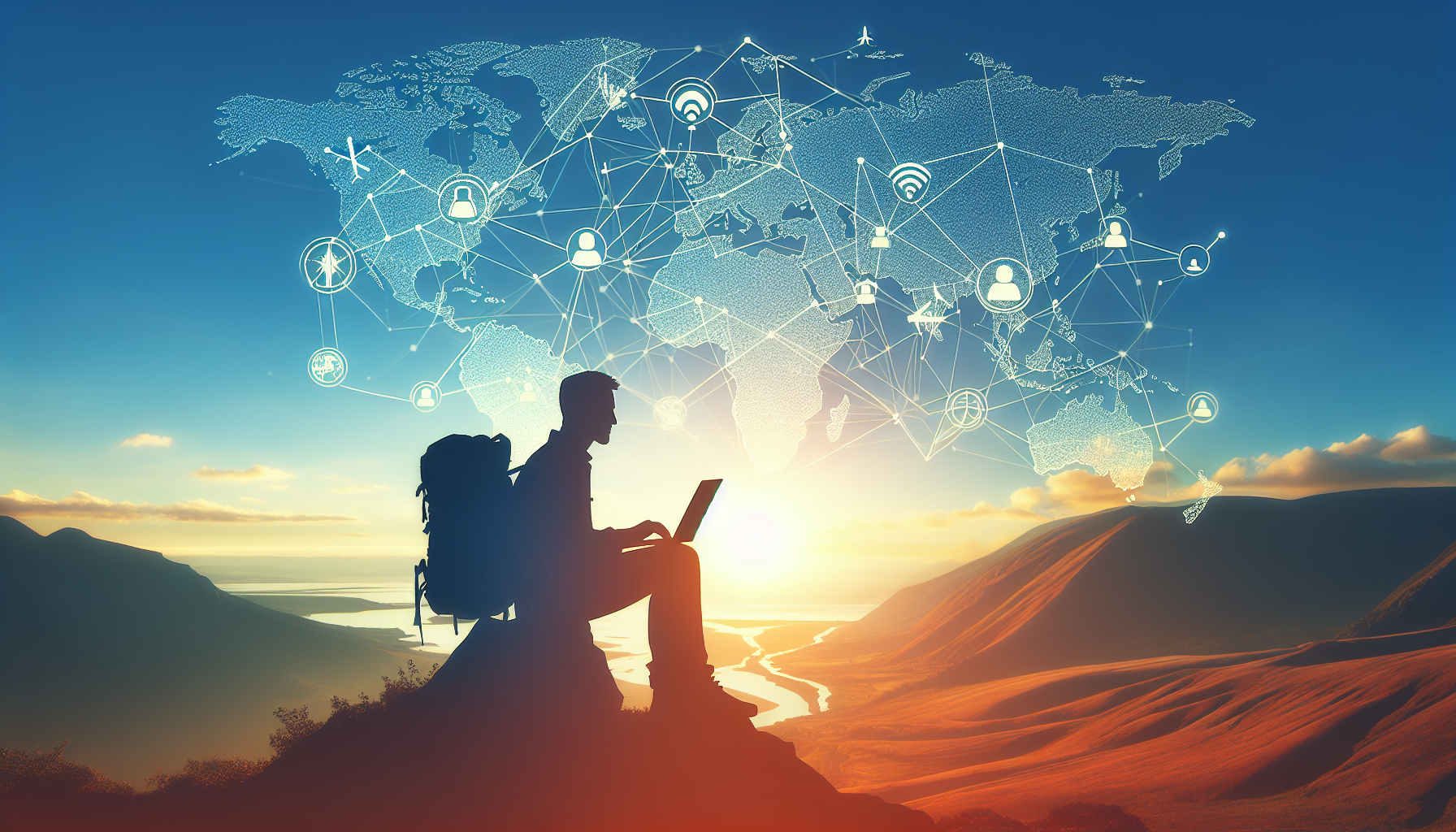
Digital nomadism refers to a lifestyle choice that allows individuals to work remotely while traveling around the world. The advent of digital technology has significantly altered traditional work norms, enabling employees and freelancers alike to carry out their tasks from almost any location that provides internet access. This trend has captured the imagination of many, spawning a growing community of digital nomads who prioritize flexibility, exploration, and experiences over conventional career paths.
The Evolution of Work Culture
The rise of digital nomadism stems from major developments in technology, particularly the advancement of the internet. Over the past two decades, tools like video conferencing, cloud storage, and collaborative software have transformed how professionals communicate and share information. As a result, many companies have embraced flexible work policies, allowing employees to choose when and where they work.
This shift aligns with changing attitudes toward work-life balance. The Millennial and Generation Z populations often value experiences over material possessions, seeking autonomy in their careers. This desire for flexibility and adventure has contributed to the surge in digital nomadism.
The Role of Technology
Technology is the backbone of digital nomadism. High-speed internet, portable devices, and various applications facilitate efficient work regardless of location. Some of the key technologies enabling this lifestyle include:
-
Wi-Fi Solutions: Co-working spaces, coffee shops, and even parks now offer Wi-Fi connectivity, making it possible for digital nomads to work while enjoying their surroundings.
-
Cloud Computing: Platforms such as Google Drive and Dropbox allow digital nomads to store and share files seamlessly. This eliminates the need for physical servers and enables real-time collaboration.
-
Communication Tools: Applications like Slack, Zoom, and Microsoft Teams make remote teamwork efficient, allowing for instant communication and video conferencing worldwide.
-
Payment Platforms: Services like PayPal, TransferWise, and Venmo have simplified transactions and financial management for freelancers and remote workers, making it easy to receive payments from global clients.
The Economic Impact of Digital Nomadism
As digital nomadism grows, various economic implications arise. Cities known as digital nomad hubs, such as Bali, Lisbon, and Chiang Mai, are witnessing an influx of remote workers. This surge benefits local economies through increased spending on accommodation, food, and entertainment.
advertisement

Moreover, countries are beginning to recognize the potential for revenue generation through digital nomads. Nations like Estonia have introduced digital nomad visas, encouraging remote workers to reside temporarily. This initiative aims to boost tourism and diversity in the local workforce, offering economic stimulation during off-peak seasons.
Challenges Faced by Digital Nomads
While the allure of a nomadic lifestyle is strong, digital nomads face several challenges, including:
-
Visas and Legal Issues: Navigating visa requirements can be daunting, as many countries lack specific regulations for remote workers. Digital nomads may need to frequently renew visas or face restrictions on their stay.
-
Healthcare Access: Access to healthcare varies significantly from country to country. Digital nomads must ensure they have appropriate health insurance and know how to seek medical care abroad.
-
Isolation and Loneliness: Constantly moving can lead to feelings of isolation. Building lasting relationships can be difficult when one is in a new location every few weeks or months.
-
Maintaining Work-Life Balance: The line between work and leisure can easily blur, leading to burnout. Establishing routines and setting boundaries is critical for sustaining productivity and well-being.
The Benefits of Digital Nomadism
Despite the challenges, many professionals opt for this lifestyle due to its numerous benefits:
-
Increased Flexibility: Digital nomads enjoy the freedom to choose their work hours and environments, enabling a personalized approach to productivity.
-
Cultural Exposure: Living in different countries offers rich cultural experiences, international networking opportunities, and the chance to learn new languages.
-
Cost of Living Variation: Depending on the destination, digital nomads can significantly lower their living costs. Many popular hubs are located in countries where living expenses are lower than in traditional urban settings.
-
Personal Growth: Traveling frequently fosters adaptability, resilience, and problem-solving skills. These qualities can enhance professional development and life skills.
Communities and Networks
The digital nomad community is thriving, supported by various platforms and networks that foster collaboration and connection. Websites such as Nomad List and Remote OK provide resources for finding job opportunities and compatible locations.
Social media groups on platforms like Facebook, Instagram, and LinkedIn facilitate interaction among nomads worldwide. With shared tips, experiences, and resources, these communities offer valuable support and companionship, which can alleviate feelings of loneliness.
Notable Digital Nomad Hotspots
Some destinations have emerged as popular bases for digital nomads, each offering unique benefits:
-
Bali, Indonesia: Known for its stunning landscapes, vibrant culture, and wellness scene, Bali is home to numerous co-working spaces, making it a prime spot for digital nomads seeking inspiration.
-
Chiang Mai, Thailand: Affordability, a friendly atmosphere, and a plethora of co-working spaces make Chiang Mai a beloved location for those embracing the nomadic lifestyle.
-
Medellín, Colombia: With its pleasant climate, vibrant street art, and welcoming community, Medellín has become increasingly popular among remote workers and entrepreneurs.
-
Lisbon, Portugal: Combining a rich history with a modern twist, Lisbon boasts excellent weather, vibrant nightlife, and a growing tech scene, attracting nomads in droves.
Future Trends in Digital Nomadism
The digital nomad movement is poised for growth as more companies adopt remote work policies and technology further breaks down geographical barriers. Some emerging trends include:
-
Increased Corporate Adoption: More companies are recognizing the benefits of remote work, leading to flexible employment models that allow their employees to choose where they want to work.
-
Sustainable Travel: As awareness grows regarding environmental issues, many digital nomads are prioritizing eco-friendly travel and sustainable living practices, such as using local resources and minimizing their carbon footprint.
-
Regulations and Rights: As digital nomadism becomes more mainstream, we can expect increased discussions around labor rights, visa regulations, and social security for remote workers.
-
Healthcare Innovations: Anticipating the demands of remote workers, healthcare providers may begin to develop tailored solutions — such as international health insurance plans focused on the specific needs of digital nomads.
-
Community-Centric Spaces: With the rise of co-living spaces specifically designed for remote workers, the concept of shared living and working environments is gaining traction.
Preparing for a Digital Nomad Lifestyle
For those considering the transition to digital nomadism, preparation is critical. Here are comprehensive steps to ensure a successful transition:
-
Identify Your Niche: Consider your skills and how you can market them. Whether it’s coding, graphic design, or writing, understanding your strengths is crucial to finding work.
-
Financial Planning: Create a budget that accounts for all potential expenses, including travel costs, insurance, accommodation, and living expenses in different countries.
-
Networking: Connect with other digital nomads and professionals in your industry. Attend conferences or webinars, and engage with online communities to build your network.
-
Trial Runs: Before fully committing, consider trial runs. Spend a few weeks working remotely in different locations to gauge what works best for you.
-
Secure a Reliable Income Stream: Whether through freelance work, remote employment, or entrepreneurship, be sure to have a stable income source before embarking on your journey.
-
Embrace Flexibility: The nomadic lifestyle demands adaptability. Be prepared for unexpected challenges and adjust your plans accordingly.
-
Health Considerations: Research health care options and invest in travel health insurance. Familiarize yourself with local healthcare systems in your chosen destination.
The Social Fabric of Work
Digital nomadism is not just a break from traditional work but a shift in the way society views work itself. It challenges the norms of a 9-to-5 job, advocating for a more integrated approach to work and life. In many ways, the rise of digital nomadism symbolizes a cultural shift towards valuing experiences, innovation, and diversity in the workforce.
As the digital landscape continues to evolve, the implications of digital nomadism will extend beyond work culture into areas such as global cooperation and cultural exchange. The transformation of how and where we work signals profound changes that will shape future generations’ careers and lifestyles. This continuing evolution means that digital nomadism is likely to become an intrinsic part of human experience, shifting our collective mindset about work and exploration for years to come.
advertisement