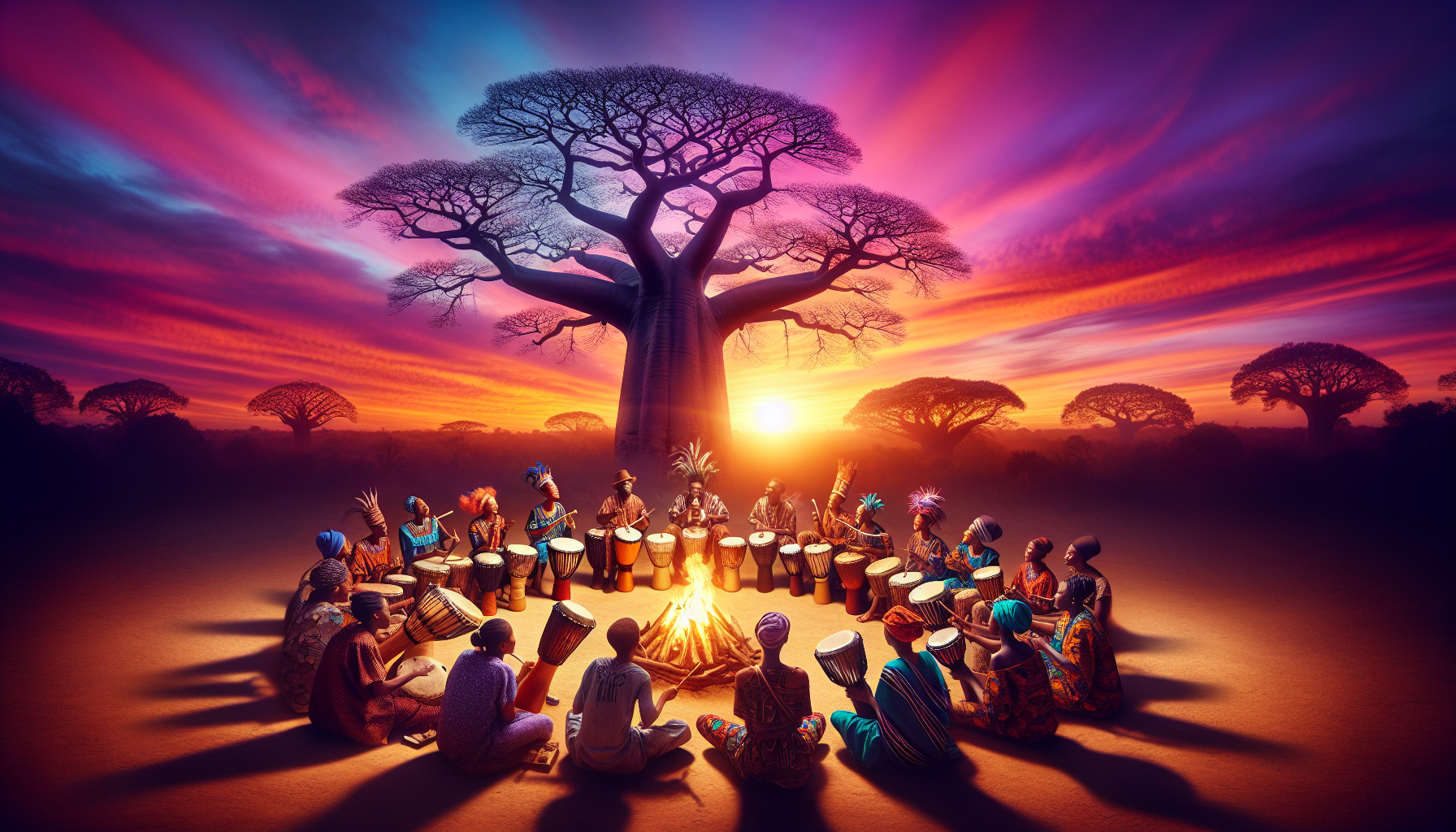
Exploring the Rich Tapestry of African Folk Music
Historical Context of African Folk Music
African folk music is not merely a genre; it is a rich tapestry representing diverse cultures, languages, and traditions across the continent. This music is a reflection of historical events, social changes, and communal practices. Over centuries, African music has evolved through intersections of indigenous influences, colonial encounters, and globalization.
The roots of African folk music can be traced back to the oral traditions of the continent. Storytelling, songs, and rituals served as key methods for transmitting knowledge, values, and cultural heritage. These musical expressions acted as a means of communication in various social contexts, be it celebrations, festivals, or rites of passage.
Instruments That Define African Folk Music
The instruments employed in African folk music vary significantly from region to region, contributing to the unique soundscapes of different cultures. Common instruments include:
-
Djembe: A skin-covered drum played with bare hands, the djembe hails from West Africa and is integral to dance music and celebrations.
-
Mbira: Often referred to as a thumb piano, the mbira consists of metal tines attached to a wooden board. Mainly associated with the Shona people of Zimbabwe, it’s thought to connect the living with spirits.
-
Kora: This stringed instrument, resembling a harp, is primarily played in West Africa. Crafted from a calabash gourd and cowhide, the kora is a prominent instrument in storytelling and oral histories.
-
Balafon: A wooden percussion instrument akin to a xylophone, the balafon produces melodic sounds and is widely found in Burkina Faso.
-
Udu: Originating from Nigeria, this clay pot drum produces both melodic and rhythmic sounds, often found in folk music and contemporary genres.
Each instrument bears its own significance, reflecting the cultural ethos of its origins and the stories it tells.
Regional Variations in Folk Music
Africa’s vast geographical expanse gives rise to numerous regional musical styles, each with distinctive features. Analyzing these differences provides a deeper appreciation of the continent’s cultural diversity.
advertisement

-
West African Folk Music: Renowned for its complex rhythms and intricate melodies, West African folk music displays influences from various ethnic groups. Music from countries like Nigeria features rich storytelling, often performed using call-and-response patterns. Yoruba music, characterized by its vibrant drumming and singing, reflects the people’s spiritual beliefs.
-
East African Folk Music: Influenced by the Swahili culture and coastal trade, East African folk music is known for its harmonious vocal arrangements. The use of the nyatiti – a traditional lyre – is common among the Luo people of Kenya. Songs often capture daily life and communal celebrations.
-
Southern African Folk Music: This region boasts an array of musical styles, including the intricate harmonies found in Zulu isicathamiya music. South African folk music commonly features vocal polyphony, where multiple melodies intertwine, enhancing the communal experience of singing.
-
North African Folk Music: Influences from Arab, Berber, and sub-Saharan cultures can be heard in North African music. The use of the guembri (a three-stringed instrument) is prevalent in Moroccan Gnawa music, which incorporates spiritual healing themes.
-
Central African Folk Music: Known for its polyrhythmic nature, Central African folk music often accompanies dance. The use of percussion instruments like the ngoma (drum) is vital here, and traditional songs often center around community life and the environment.
The Role of Folk Music in Society
Folk music serves numerous purposes within African societies. It plays an essential role in rites of passage—such as weddings, funerals, and initiation ceremonies—where songs reinforce cultural identity and continuity. Additionally, folk music is an educational tool that imparts moral lessons, history, and social values.
In many communities, musicians are seen as storytellers and keepers of history. Through songs, they convey narratives that resonate with listeners, encouraging them to reflect on their heritage. Furthermore, folk music provides a platform for political expression. Many genres have historically acted as mediums for social change, protesting injustices and promoting community unity.
The Impact of Colonialism on African Folk Music
The effects of colonialism drastically altered the musical landscape of Africa. Cultural suppression, appropriation, and the introduction of Western musical forms led to a fusion of styles, giving rise to new genres. However, despite these challenges, folk music endured, adapting while retaining its core values.
During the colonial period, many traditional practices were denigrated. Efforts to erase indigenous identities resulted in the distortion of folk music traditions. Yet, this adversity also ignited movements to preserve and revitalize local music, often incorporating elements of Western music to create a hybrid identity.
The emergence of genres like Afrobeats and Highlife exemplifies how folk music has adapted to contemporary influences while preserving African essence. Artists blend traditional rhythms with modern instruments, making folk music accessible to a global audience.
Contemporary Interpretations of Folk Music
Today’s artists are continually redefining African folk music, showcasing its relevance in modern society. They draw from traditional sources while incorporating elements from jazz, pop, and electronic music. This renaissance of folk music not only serves to revitalize heritage but also sparks discussions around cultural identity in a globalized world.
Notable contemporary musicians such as Angélique Kidjo and Baaba Maal have championed African folk music on international platforms, effectively bridging cultural gaps. Their work often honors traditional practices while presenting them in innovative formats that captivate modern audiences.
Festivals Celebrating African Folk Music
Festivals dedicated to African folk music play a pivotal role in keeping traditions alive and fostering community spirit. Events such as the Festival au Désert in Mali and Lake of Stars in Malawi attract global audiences, celebrating not just music but the rich cultural tapestry of African communities.
These festivals often feature workshops that educate attendees about traditional instruments and music styles, ensuring the knowledge is passed down to future generations. Moreover, they promote collaborations between local and international artists, further enriching the musical fusion that defines contemporary African music.
The Future of African Folk Music
As globalization continues to influence cultural expressions, the future of African folk music stands at a crossroads. While the preservation of traditional styles is essential, the evolution of these forms into contemporary constructs offers exciting prospects. The accessibility of digital platforms enables emerging artists to share their music with global audiences, leading to the development of new sub-genres.
Community initiatives aimed at music education are crucial. By encouraging young people to engage with their musical heritage, there lies potential for folk music traditions to thrive and adapt to contemporary values.
Furthermore, the collaborative spirit prevalent within African music has the power to transcend borders, fostering international dialogue and understanding. These dialogues can serve as a means for addressing social issues, connecting people, and celebrating diversity through the universal language of music.
Final Thoughts
The exploration of African folk music reveals a rich and diverse tapestry woven from strands of history, culture, and communal values. Through its instruments, regional variations, and social significance, African folk music remains a potent cultural force that continues to evolve, adapt, and inspire both local and international audiences. In understanding its complexities, we can foster a deeper appreciation for a musical heritage that transcends time and place, inviting listeners to engage with the heartbeat of a continent.
advertisement