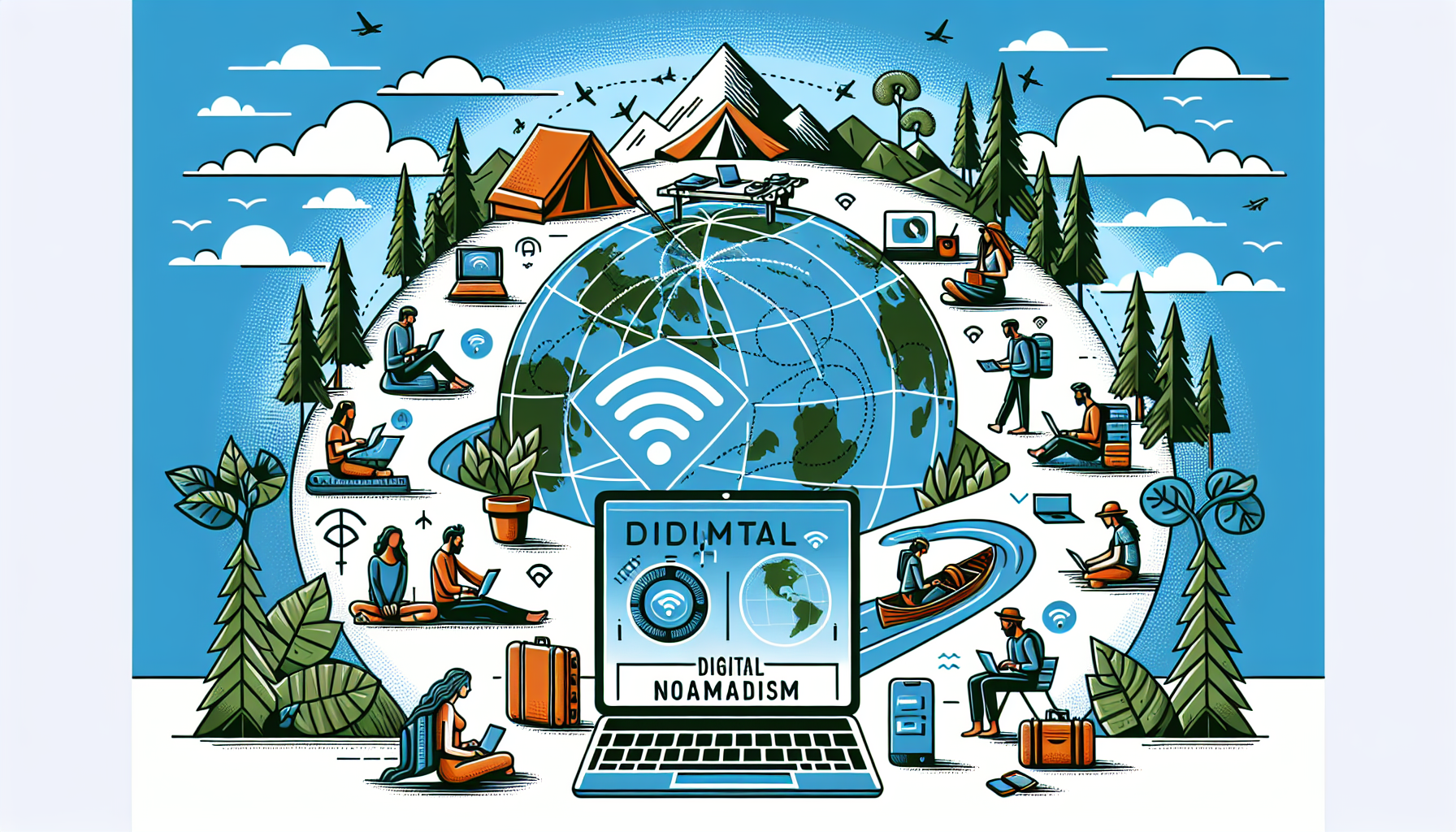
The Rise of Digital Nomadism in Modern Society
Understanding Digital Nomadism
Digital nomadism refers to the lifestyle of individuals who use technology to perform their work remotely while traveling or living in locations other than their traditional workspace. This phenomenon has experienced unprecedented growth in recent years, driven largely by advancements in technology, changes in work culture, and the evolving preferences of the modern workforce.
Historical Context
While the idea of remote work has existed for decades, it became prominent during the late 20th century with the advent of personal computing and the internet. The dot-com boom of the late 1990s and early 2000s laid the groundwork for virtual work environments. However, it wasn’t until the COVID-19 pandemic struck in 2020 that digital nomadism began to gather significant traction. With millions suddenly forced to work from home, organizations began to shift their mindsets regarding remote work, making it more acceptable and sustainable.
Technological Advancements
Several technological advancements have facilitated the rise of digital nomadism:
-
High-Speed Internet: Reliable internet access is crucial for remote work. The proliferation of broadband and mobile internet has made it possible for individuals to work from virtually anywhere in the world.
-
Cloud Computing: Services like Google Drive, Dropbox, and software like Microsoft 365 allow for seamless collaboration and data sharing, empowering remote teams to operate effectively.
-
Communication Tools: Platforms such as Zoom, Slack, and Microsoft Teams have revolutionized how teams communicate, making it easier to stay connected regardless of geographical distance.
-
Project Management Software: Tools like Trello, Asana, and Basecamp provide the structure and organization necessary for remote projects, enabling teams to track progress and deadlines efficiently.
The Changing Work Culture
The traditional notions of work are undergoing significant changes, with multiple factors contributing to this transformation:
-
Shift in Employee Preferences: Many employees, especially millennials and Gen Z, prioritize flexibility and work-life balance over stability. They seek jobs that allow them to travel and explore while maintaining their careers.
-
Global Work Environment: The globalization of the workforce has opened up opportunities for companies to hire talent from various locations, breaking down geographical barriers.
-
The Gig Economy: Platforms like Upwork, Freelancer, and Fiverr have encouraged a freelance way of working, allowing individuals to take on projects without the constraints of a fixed office location.
Popular Destinations for Digital Nomads
Certain cities around the globe have emerged as top spots for digital nomads, thanks to their favorable living conditions, cost of living, and vibrant community:
advertisement

-
Chiang Mai, Thailand: Known for its low cost of living, stunning landscapes, and active digital nomad community, Chiang Mai offers a perfect blend of work and leisure.
-
Bali, Indonesia: With its breathtaking scenery and numerous co-working spaces, Bali is a hotspot for creatives and tech workers alike.
-
Lisbon, Portugal: Lisbon boasts a rich culture, affordable living, and growth in the tech industry, making it a prime destination for remote workers.
-
Mexico City, Mexico: Vibrant culture, rich history, and a growing network of co-working spaces make Mexico City an attractive option for digital nomads.
-
Berlin, Germany: As a tech hub with an international vibe, Berlin attracts many digital nomads, offering a mix of history, culture, and innovation.
The Benefits of Digital Nomadism
Digital nomadism provides several advantages to individuals:
-
Flexibility: The ability to set one’s schedule allows for a better work-life balance, catering to personal productivity.
-
Cultural Exposure: Traveling to new locations fosters cultural appreciation and personal growth.
-
Networking Opportunities: Living in different cities helps in building diverse professional networks, leading to potential collaboration and job opportunities.
-
Reduced Living Costs: Many digital nomads choose locations with lower living costs compared to their home cities, allowing them to save money while enjoying a desirable lifestyle.
Challenges Faced by Digital Nomads
Despite its appeal, digital nomadism comes with its own set of challenges:
-
Legal and Visa Issues: Many countries have specific visa requirements for remote workers, and navigating these can be cumbersome.
-
Isolation: Being away from family and familiar settings can lead to feelings of loneliness and isolation.
-
Inconsistent Internet Access: While urban areas generally have good connectivity, remote locations may lack dependable internet service, hindering productivity.
-
Work-Life Balance: The blurred lines of working in a relaxed environment can lead to overworking or difficulty in switching off from work.
The Role of Co-Working Spaces
Co-working spaces have become synonymous with the digital nomad lifestyle. These shared work environments provide an efficient workspace, networking opportunities, and community support. The rise of chains like WeWork, as well as local options worldwide, reflects the demand for flexible workspaces.
-
Networking Events: Many co-working spaces host events, workshops, and social gatherings that help digital nomads connect professionally and personally.
-
Amenities: Common facilities include high-speed internet, meeting rooms, coffee shops, and collaborative spaces, creating an atmosphere conducive to productivity.
The Future of Digital Nomadism
As remote work becomes more ingrained in organizational cultures, the digital nomad lifestyle is likely to expand further. Organizations may increasingly adopt flexible policies, encouraging employees to pursue nomadic lifestyles.
-
Remote Work Policies: More companies are likely to formalize remote work policies, allowing employees to work from anywhere they choose (within certain guidelines).
-
Digital Nomad Visas: Several countries are already creating specialized visas for digital nomads, promoting their areas as prime locations for remote work.
-
Sustainability Concerns: With increased mobility, the environmental impacts of travel will become a more pressing issue, prompting digital nomads to consider sustainable travel practices.
Conclusion
Digital nomadism represents a significant shift in how work-life is perceived and enacted in modern society. With technology accelerating this movement and a changing global perspective towards work, the digital nomad lifestyle continues to grow. The blend of professional endeavor and personal exploration exemplifies the evolving relationship people have with work, travel, and life itself.
advertisement