Exploring the Rich Tapestry of Asian Mythology
1. The Origins and Significance of Asian Mythology
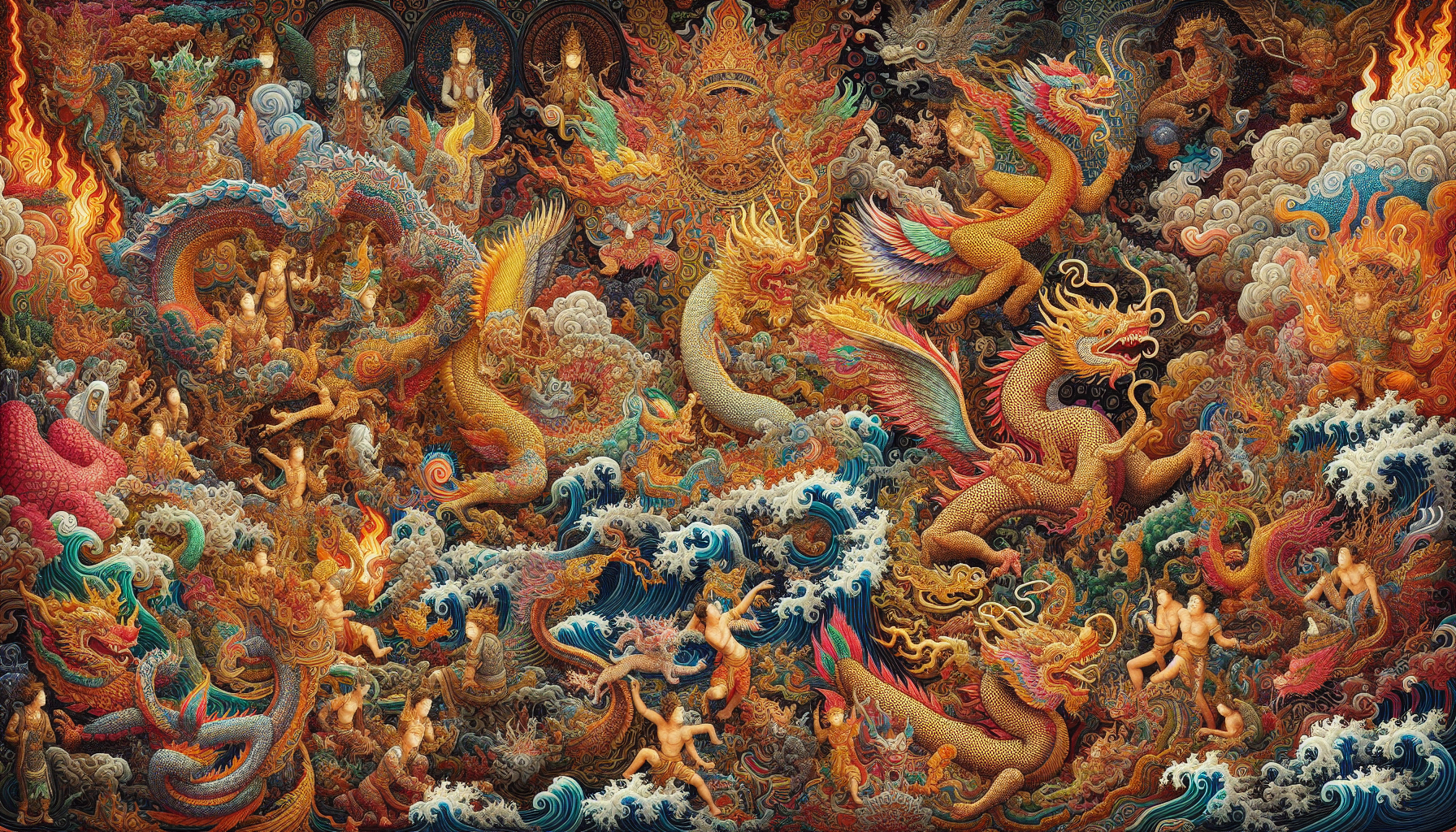
Asian mythology encompasses a vast and diverse array of beliefs, traditions, and stories originating from the continent’s many cultures. Rooted in ancient civilizations, these mythologies have been passed down through generations, serving as moral compasses, cultural identities, and explanations for natural phenomena. From the intricate tales of creation to the legends of gods and demigods, Asian mythology reflects the complexities of human experience and the universe.
2. Major Regions of Asian Mythology
2.1 East Asian Mythology
Chinese Mythology:
Chinese mythology is perhaps the most recognized form of East Asian mythology. It features a wealth of deities, legendary heroes, and symbolic creatures. Among the most famous is the Jade Emperor, ruler of Heaven, who governs various gods and spirits. The mythology is also rich with creation myths, such as the Pangu myth, which describes the separation of Heaven and Earth. The story of Nuwa, who repaired the sky and created humanity, is equally significant, highlighting themes of balance and restoration.
Japanese Mythology:
Japanese mythology centers around Shinto beliefs and ancient folk tales. Key figures include Amaterasu, the sun goddess, and Susanoo, the storm god. The creation myth of Japan involves the divine couple Izanagi and Izanami, who birthed the islands of Japan. Concepts of kami, or spirits, permeate Japanese mythology, emphasizing the connection between humans, nature, and the divine.
advertisement

Korean Mythology:
Korean mythology showcases legends like Dangun, the founding figure of Korea, born from a heavenly prince and a bear-woman. Myths often highlight the importance of family and harmony with nature. The tale of the three Han clans and various shamanistic legends focuses on the relationship between humans and their ancestors.
2.2 South Asian Mythology
Hindu Mythology:
Hindu mythology is vast, comprising an intricate tapestry of tales found in texts like the Vedas, Puranas, and epics like the Mahabharata and Ramayana. Key deities include Brahma (the creator), Vishnu (the preserver), and Shiva (the destroyer), who together embody the trinity of existence. The stories of Krishna’s childhood, Rama’s exile, and the Pandavas’ quest for justice are central themes that reflect the moral dilemmas facing humanity.
Buddhist Mythology:
Buddhist mythology, while more philosophically oriented, includes narratives about the life of Gautama Buddha and bodhisattvas. Important stories include the Jataka tales, which recount the previous lives of Buddha, teaching moral lessons. The concept of karma and rebirth underscores the mythology, providing a framework for understanding suffering and enlightenment.
2.3 Southeast Asian Mythology
Indonesian Mythology:
Indonesian mythology combines beliefs from Hinduism, Buddhism, and indigenous animism. The Ramayana and Mahabharata influence local storytelling, often reinterpreted with unique local contexts. Figures like Bima and Hanuman appear in various regional adaptations. The myth of Mangkukulam, reflecting themes of jealousy and magic, reveals the intermingling of supernatural and earthly anxieties.
Thai Mythology:
Thai mythology shares a rich heritage with Indian influences, showcasing figures like Phra Ram (Rama) and Phra Phut (Buddha). The Ramakien, a Thai adaptation of the Ramayana, is a cornerstone of Thai artistic and cultural expression. With numerous supernatural beings, such as the Naga serpent, Thai mythology intertwines the human experience with celestial narratives.
3. Thematic Elements in Asian Mythology
3.1 Creation Myths
Creation myths are prevalent across Asian mythologies, with each culture presenting unique narratives to explain the origins of the universe. For instance, Chinese mythology describes Pangu as the first being who emerged from a cosmic egg, creating the world by shaping the heavens and earth. In contrast, Hindu mythology presents various accounts, such as Vishnu creating the universe from the cosmic ocean.
3.2 Deities and Divine Beings
Asian mythologies are populated with a diverse array of deities, often embodying natural elements or human virtues. From the Hindu pantheon to the kami of Shinto, these deities play crucial roles in shaping the moral framework of their cultures. The stories often depict their interactions with humans, reflecting the challenges and triumphs in human life.
3.3 Transformation and Rebirth
The themes of transformation and rebirth permeate Asian mythologies, as seen in the concepts of karma and reincarnation in Hinduism and Buddhism. Characters undergo trials that lead to profound personal growth, emphasizing the cyclical nature of life and moral consequences. This theme provides insights into the human condition and encourages self-reflection.
3.4 Nature and Environment
Asian mythologies often reflect a deep reverence for nature, framing it as both a source of sustenance and a manifestation of the divine. From the personification of rivers, mountains, and animals in various myths to the emphasis on harmony with the environment in Shinto beliefs, these narratives underscore the interconnectedness of life. This relationship between humanity and nature serves as a reminder to respect the environment.
4. Regional Variations and Influences
The rich tapestry of Asian mythology is further complicated by regional variations and cultural exchanges. Trade routes, migration, and conquests have caused mythologies to interweave. For example, the Silk Road facilitated the spread of Buddhist narratives throughout Asia, influencing everything from art to philosophy.
In addition, colonial encounters introduced new interpretations and hybrid mythologies. The blending of traditional beliefs with external influences led to unique adaptations, particularly in Southeast Asia, where indigenous animism merged with Hindu and Buddhist elements, creating captivating mythological landscapes.
5. Contemporary Relevance of Asian Mythology
Asian mythologies are not confined to ancient texts; they remain deeply relevant in contemporary society. Festivals celebrating myths, such as Diwali in India or Chinese New Year, highlight their enduring significance. Storytelling traditions continue to evolve, adapting ancient tales for modern audiences in literature, film, and art.
The messages encapsulated in these myths resonate strongly today, addressing universal themes such as love, conflict, morality, and the quest for meaning. Across various platforms, mythological stories inspire a sense of identity, cultural pride, and continuity amid rapid social changes.
6. Asian Mythology in Popular Culture
Asian mythology has entered mainstream global culture, influencing various genres of media. From anime and manga featuring gods and help, to films like “Crouching Tiger, Hidden Dragon” which draw upon mythological elements, these narratives captivate diverse audiences. The popular video game “Final Fantasy” series frequently incorporates deities and lore from various Asian mythologies, reflecting their widespread appeal.
Literature, particularly fantasy genres, often taps into these rich mythological themes. Authors like Neil Gaiman, in works like “American Gods,” explore the place of ancient gods in contemporary society, mirroring the dialogues present within Asian mythologies.
7. Educational and Cultural Value of Myths
Studying Asian mythology offers valuable insights into cultural, historical, and philosophical contexts. Education around these myths can promote cross-cultural understanding, encouraging awareness of diverse worldviews. Many institutions incorporate mythological studies into their curricula, revealing the interconnectedness of humanity’s stories and the lessons they impart.
Engaging with Asian mythology fosters appreciation for languages, customs, and beliefs. It can deepen empathy for different perspectives, encouraging a dialogical approach to the complexities of life and human relationships.
8. Concluding Reflections on Asian Mythology
As we delve into the realm of Asian mythology, we uncover stories that have captivated minds and hearts for centuries. The rich tapestry woven from diverse threads demonstrates a universal human quest for understanding, morality, and identity. Through continued exploration and engagement, these ancient tales will continue to resonate, bridging generations and cultures in an increasingly interconnected world.
advertisement