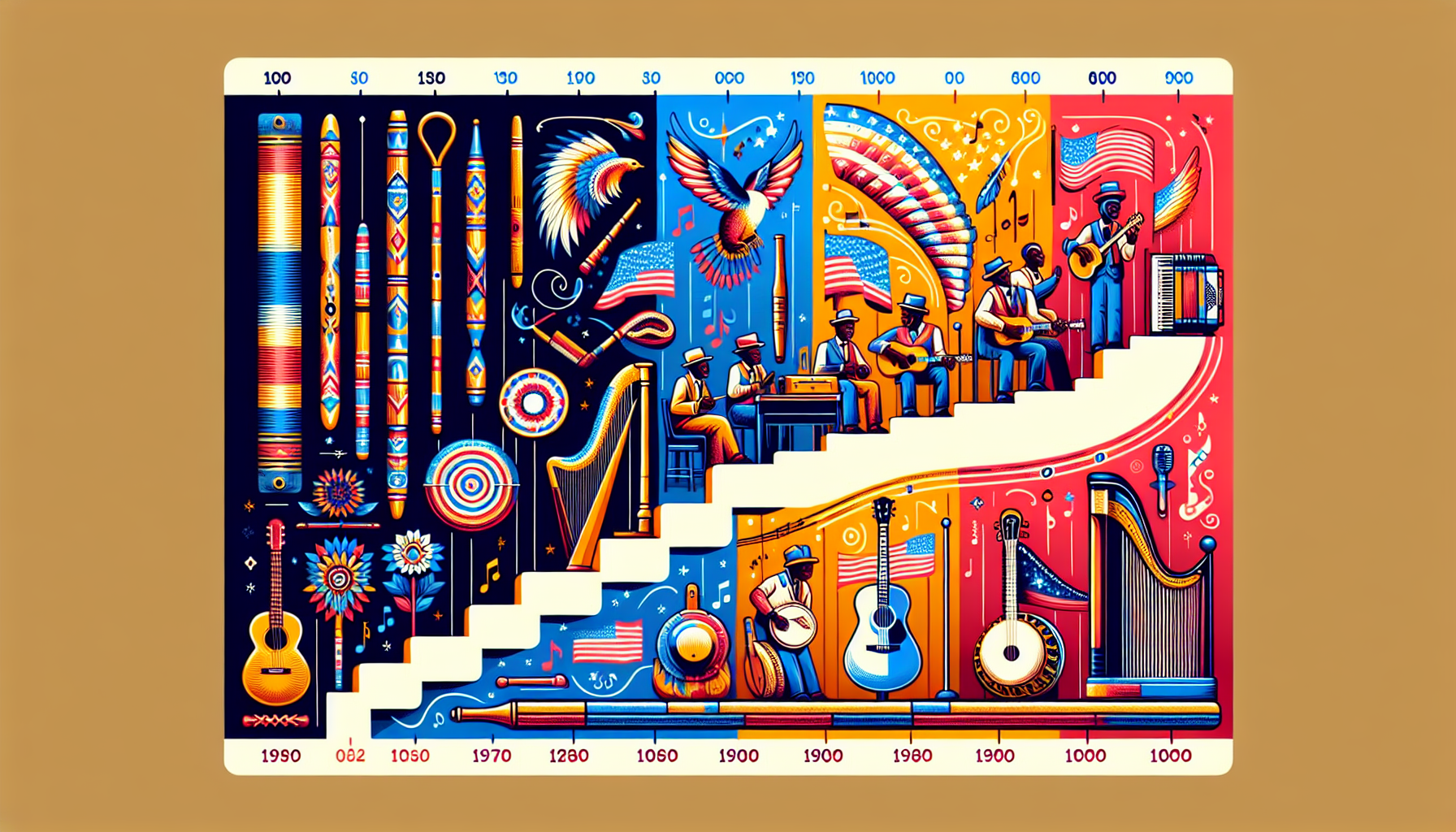
The Roots of American Folk Music
American folk music has roots that run deep into the soil of various cultural traditions, reflecting the diverse backgrounds and experiences of the people it represents. Emerging primarily in the 19th century, folk music in America is a tapestry woven from the threads of Indigenous, African, European, and immigrant traditions. The songs and sounds served not only as entertainment, but also as forms of resistance, social commentary, and community bonding.
Indigenous Influence
Before European settlers arrived, Indigenous peoples across North America had rich traditions of musical expression. Their songs, often tied to rituals and storytelling, laid the groundwork for later developments in American folk music. Instruments such as drums, flutes, and rattles were commonplace, and their lyrical themes often centered around nature, spirituality, and the cosmos.
European Roots
Colonial America saw an influx of European settlers bringing with them a wealth of musical traditions. The English, Irish, and Scottish immigrants introduced ballads, dance tunes, and religious hymns, which were adapted to the American landscape. The banjo, originally brought from Africa, became an essential instrument in folk music and blended with European musical styles to create distinctive sounds. Traditional European forms like the ballad persisted and evolved, often telling stories of hardship, love, crime, and adventure.
advertisement

The Birth of Folk Music in America
The 19th century marked a significant evolution in American folk music. The Civil War and subsequent Reconstruction era fueled a sense of national identity and shared experience among Americans. Songs became tools of expression during this tumultuous time, with themes addressing the struggles and triumphs of everyday people.
Field Hollers and Work Songs
African slaves contributed significantly to the evolution of American folk music through field hollers and work songs. These songs contained coded messages and served to ease the burdens of labor while also building community among workers. The migration of African Americans from the rural South to urban centers further enriched the folk music landscape, leading to the development of genres like the blues.
Spirituals and Hymns
Spirituals emerged as a profound expression of hope and resilience. These songs provided a means for enslaved Africans to convey emotions and stories of faith amid their suffering. The crossover and melding of African rhythms with European hymns created a new spiritual genre that laid the groundwork for future styles, including gospel and blues.
The Folk Revival of the Early 20th Century
The early 20th century witnessed the first major folk revival in the United States, inspired by the heightened interest in American traditions and local histories. Organizations like the Library of Congress began archiving folk music, and scholars like John Lomax traveled across the country to collect and document traditional songs. This revival prompted a sense of nostalgia for simpler times and a desire to celebrate regional identities.
The Influence of Radio and Recording
The advent of radio and commercial recordings in the 1920s made folk music accessible to a broader audience. Programs featuring folk and regional music were widely popular, with performers like Woody Guthrie and Pete Seeger gaining notoriety. Their songs often reflected the struggles of the working class and emphasized social justice themes, resonating with listeners and inspiring activism.
The Folk Music Movement of the 1960s
The folk music revival reached its zenith during the 1960s, fueled by political and cultural upheaval. Artists like Bob Dylan, Joan Baez, and Simon & Garfunkel brought folk music into the mainstream, using it as a platform for social change and civil rights advocacy. Their music addressed pressing issues such as the Vietnam War, racial injustice, and environmental concerns.
The Role of Festivals
Folk festivals sprung up across the nation, providing spaces where artists and audiences could connect. Events like the Newport Folk Festival showcased both established and emerging talents, fostering a community that valued both the preservation and evolution of folk traditions. The interactions among diverse artists helped to create a more inclusive folk music scene, one that embraced various genres and cultural influences.
The Emergence of New Folk Genres
As the 1960s progressed, new sub-genres of folk music began to emerge, reflecting contemporary issues and influences.
Protest Folk
By merging traditional folk forms with contemporary societal concerns, protest folk music emerged as a potent force for activism. Hidden in the verses of songs were messages of hope, unity, and defiance, with artists like Phil Ochs and Bob Dylan leading the charge.
Folk Rock
The fusion of folk with rock music produced a genre known as folk rock. Bands like The Byrds and Buffalo Springfield incorporated electric instruments and rock elements while maintaining the lyrical depth of folk traditions. This genre expanded the audience for folk music significantly, bridging generational divides.
Contemporary Folk Music
Today, American folk music continues to evolve and adapt to modern sensibilities. Artists like Iron & Wine, The Decemberists, and Hozier blend traditional folk sounds with elements of indie rock and pop, creating new sonic landscapes while remaining rooted in folk traditions.
Digital Platforms and the Resurgence of Indie Folk
The rise of digital platforms has democratized the music industry, allowing independent folk artists to share their work widely without the constraints of major labels. Sites like Bandcamp, SoundCloud, and Spotify have enabled emerging musicians to connect with audiences around the world, leading to a new renaissance in folk music.
Influence of Global Sounds
Contemporary folk music now includes influences from around the globe, reflecting the increasingly interconnected world in which we live. Artists are incorporating diverse instruments, rhythms, and styles, leading to a rich symbiosis of sounds that keeps American folk music vibrant and relevant.
Challenges and Future Directions
While American folk music remains a powerful and resilient form of expression, it faces challenges such as commercialization and appropriation. As more artists seek to capitalize on folk’s rich traditions, ongoing dialogues about authenticity and cultural representation are critical.
Preservation vs. Innovation
Navigating the fine line between preserving tradition and encouraging innovation presents a nuanced challenge for the genre. Folk music that evolves must also honor its roots, ensuring that the voices of marginalized communities and histories are not lost in the process.
Conclusion of an Era
The evolution of American folk music is a dynamic narrative filled with voices that reflect the nation’s diverse fabric. From its historical roots to the present day, folk music continues to be a living expression of the American experience, bridging generations and inspiring future artists. As American society continues to change, so too will the folk music that captures its story.
advertisement