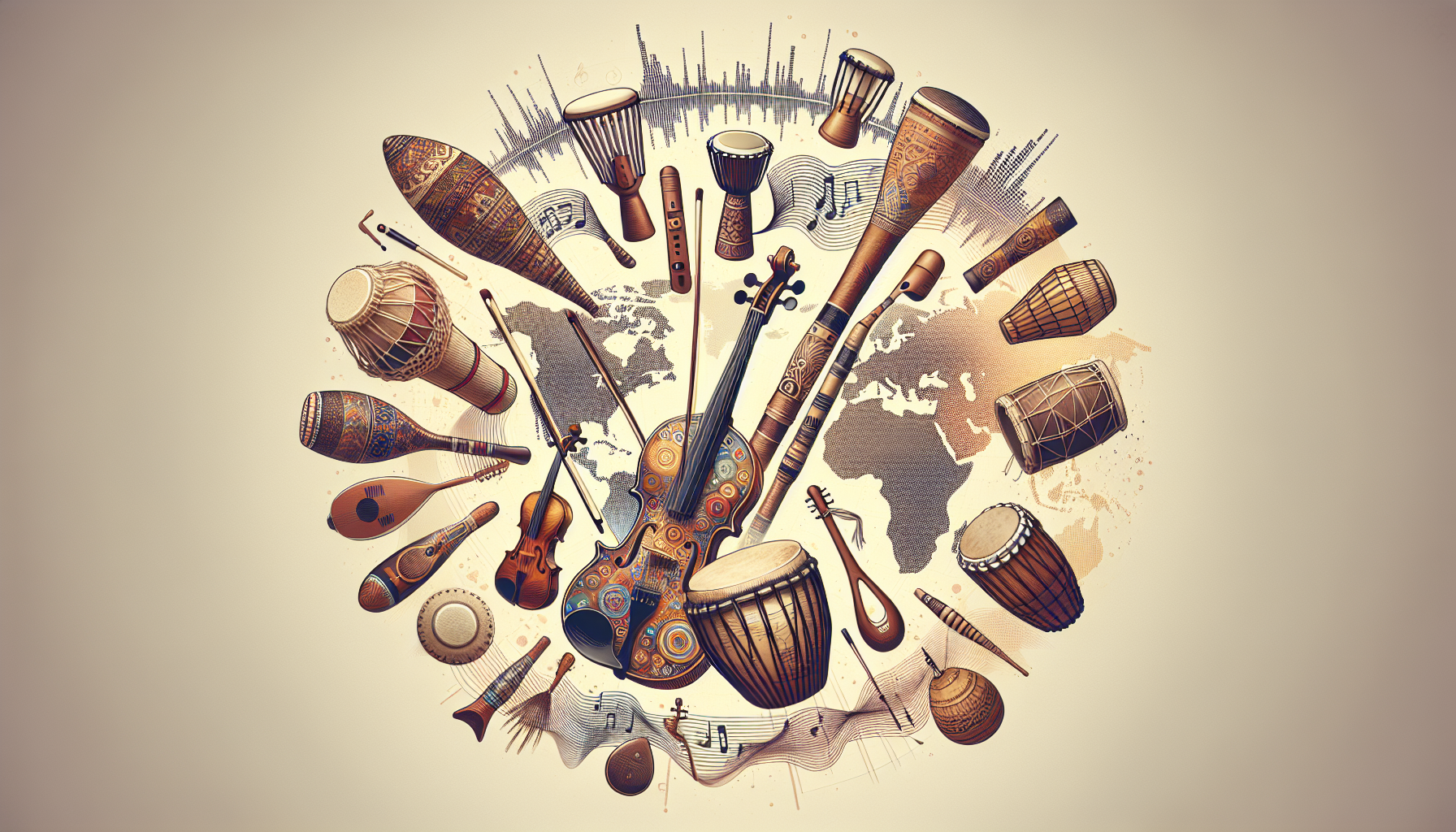
Exploring the Influence of Music on Cultural Identity
Understanding Music as a Cultural Artifact
Music serves as one of the most potent forms of cultural expression across societies. It is an artifact that embodies the values, ideas, beliefs, and experiences of a community, thereby making it an essential element in forming cultural identity. This exploration highlights how music plays a pivotal role in establishing, maintaining, and evolving cultural identities through different historical and social contexts.
The Role of Traditional Music
Traditional music often reflects a community’s historical background, rituals, and customs, forming a sense of belonging among its members. Folklore, chants, and traditional songs often narrate stories that convey the culture’s values and morals. For example, Indigenous peoples in North America use music in ceremonies that serve not only spiritual purposes but also reinforce communal bonds and identity. Songs may include tales of creation or legends valued by the community, thereby helping to maintain cultural heritage.
Contemporary Music and Cultural Identity
Contemporary music, including genres like hip-hop, reggae, and pop, significantly impacts cultural identity by integrating modern themes into musical narratives. Hip-hop, emerging from African American communities, offers a platform for self-expression and social commentary, reflecting urban life, struggles, and aspirations. This genre has transcended geographical boundaries and influenced various cultures, allowing artists worldwide to express their unique cultural identities through the lens of hip-hop.
Globalization and Hybridization of Music
The process of globalization has transformed how we perceive and consume music. With easier access to various musical styles through technology, cultures have started to blend and intermingle, leading to the creation of hybrid music forms. Fusion genres like Reggaeton combine reggae, hip-hop, and Latin influences, creating a musical identity that reflects a diverse cultural amalgamation.
This blending often leads to the questioning of authenticity and ownership. For example, many debate whether genres like K-pop adequately represent Korean culture or whether they conform to global pop standards. Such discussions illuminate how cultural identity evolves with musical influences, leading to complex and multifaceted representations.
advertisement

Music and Resistance
Throughout history, music has often served as a tool for resistance and social change. Anti-apartheid anthems in South Africa and protest songs during the Civil Rights Movement in the United States exemplify this. The powerful combination of lyrics and melody serves to unite communities against oppression while fostering a sense of shared identity and purpose.
In more recent times, music has become a vehicle for activism, with artists using their platforms to address issues of racial inequality, climate change, and gender rights. The resurgence of protest music in today’s political landscape reflects contemporary concerns while emphasizing the ongoing significance of music in shaping and reinforcing cultural identities.
Music Festivals: Celebrating Cultural Identity
Festivals often emerge as vibrant celebrations of cultural identity through music. Events like Coachella, Glastonbury, and Womad bring together diverse audiences to celebrate global music traditions, maintaining cultural heritage while inviting intercultural dialogue. These gatherings foster connections among attendees, enhancing their identification with particular cultural groups or communities.
For many cultures, traditional festivals such as Dia de los Muertos in Mexico or the Gnaoua World Music Festival in Morocco incorporate music as a fundamental component of their identity. The participation of both locals and tourists creates an environment where music bridges cultural gaps, allowing for an appreciation of the diversity while fostering respect and understanding.
The Psychological Impact of Music on Cultural Identity
Music resonates deeply at a psychological level, influencing emotions and social identity. Research indicates that music can evoke strong feelings of nostalgia and belonging, further solidifying cultural ties. People often relate to specific songs tied to personal or community histories, allowing them to navigate their cultural identity through shared auditory experiences.
Moreover, brain studies reveal that music can trigger hormonal responses, reinforcing connections between individuals and their cultural identities. The emotional engagement associated with familiar music contributes to a sense of collective identity, encouraging individuals to align themselves with deeper cultural roots.
Music Education as a Tool for Cultural Awareness
Incorporating music education into curricula can significantly enhance cultural awareness among students. By studying the music of various cultures, students gain insight into the historical and social contexts that shape these musical forms. Educational programs that focus on traditional music, along with contemporary styles, can foster appreciation for diversity and the rich tapestries of global cultures.
Initiatives that encourage participation in community musical events also help in building cultural awareness. Learning to play a traditional instrument, singing folk songs, or participating in local choirs exposed individuals to cultural narratives crucial for identity formation.
The Influence of Technology on Musical Cultural Identity
Advancements in technology have successfully democratized music production and distribution. Platforms like YouTube, Spotify, and SoundCloud allow artists from various backgrounds to share their work, subsequently influencing cultural identities on a global scale. For instance, artists from underrepresented communities can have their voices heard, providing insight into their experiences and cultural identities.
Social media, in particular, plays a pivotal role in music dissemination, allowing trends to spread rapidly and enabling cultural exchange on a scale never seen before. As artists share their cultural backgrounds through music, they invite listeners into their narratives, fostering empathy, understanding, and a modification of personal cultural identities.
The Impact of Genre on Cultural Identity
Music genres often serve as markers of identity, with specific styles associating with various social or cultural groups. For instance, bluegrass music is deeply connected to American Appalachian culture, while techno music is typically identified with urban subcultures in cities like Detroit and Berlin. These genres inform not only the musical tastes of individuals but also contribute to their social identities.
By exploring different musical genres, individuals can find a sense of belonging or connect more deeply with their cultural heritage. This interaction informs self-identity and can lead to greater cultural appreciation and respect for the diversity that exists.
The Interrelation of Language and Music in Identity Formation
Language and music are intricately connected, and this relationship can significantly influence cultural identity. Lyrics can convey cultural narratives, emotions, and social issues relevant to specific communities. In multilingual societies, preserving traditional songs in indigenous languages reinforces cultural identity and heritage.
Songs in local dialects or languages foster pride in heritage, serving as a reminder of the community’s roots. Conversely, when artists create music in a widely spoken language, they often aim to reach a broader audience, potentially leading to dilution or loss of original cultural significance.
The Emotional Bond of Music and Memory
Music is often closely tied to memory, triggering emotions and recollections associated with specific periods, places, and experiences. This function of music fortifies cultural identity, as individuals use music to connect with their past and assert their belonging to a cultural group. Personal playlists often feature songs that align with key life moments, cultural celebrations, or family traditions, reinforcing emotional ties to cultural identity.
The emotional weight of music can also shape community identities during significant historical events. Music played during times of crisis, like war or natural disasters, becomes a narrative for collective memory, bonding those who share similar experiences through music.
Intersections of Gender, Race, and Music in Cultural Identity
Music provides a lens through which intersections of gender, race, and cultural identity can be examined. Female artists in various genres often challenge traditional gender roles, thus reshaping cultural identities. Similarly, music by artists of color often addresses racial injustices, enabling listeners to engage critically with cultural identity through a racial lens.
For example, the feminist punk rock movement has given women a voice in a historically male-dominated genre, redefining cultural narratives regarding gender and identity. The influence of LGBTQ+ artists across diverse genres is likewise reshaping conversations on identity, pushing boundaries and fostering inclusivity through musical expression.
Influence of Regional Styles on Cross-Cultural Interactions
Regional music styles can influence cultural identity in significant ways, creating connections between diverse groups. Traditional regional music—whether it be Flamenco in Spain, Bhanga in India, or Cumbia in Colombia—serves as a cultural touchpoint that can lead to greater appreciation and curiosity about other cultures.
When these regional styles are integrated into mainstream music, they pave the way for cross-cultural collaborations. Such partnerships can diminish cultural barriers, helping to create a melting pot where various traditions coexist and resonate, thus enriching the cultural landscape for all involved.
The Future of Music and Cultural Identity
As society continues to evolve, the interplay between music and cultural identity will also likely transform. With increasing globalization, the future of music promises even more interconnectivity, likely yielding new genres that reflect our rapidly changing world. Emerging technologies, such as artificial intelligence in music production, could reshape how cultural identity is expressed and consumed, opening new avenues for expression.
Efforts to preserve cultural heritage through music will remain vital, ensuring that diverse identities continue to thrive. Future generations may find innovative ways to navigate their identities while embracing the richness that comes from exploring diverse musical landscapes.
Conclusion
The relationship between music and cultural identity is dynamic and multifaceted. Music serves as more than mere entertainment—it is a powerful vehicle for expressing beliefs, traditions, and social issues that resonate deeply with individuals and communities alike. By understanding the profound influence of music within various cultural contexts, we can better appreciate how cultural identities are formed, challenged, and celebrated through sound.
advertisement