The Rich Traditions of African Storytelling
The Importance of Oral Tradition
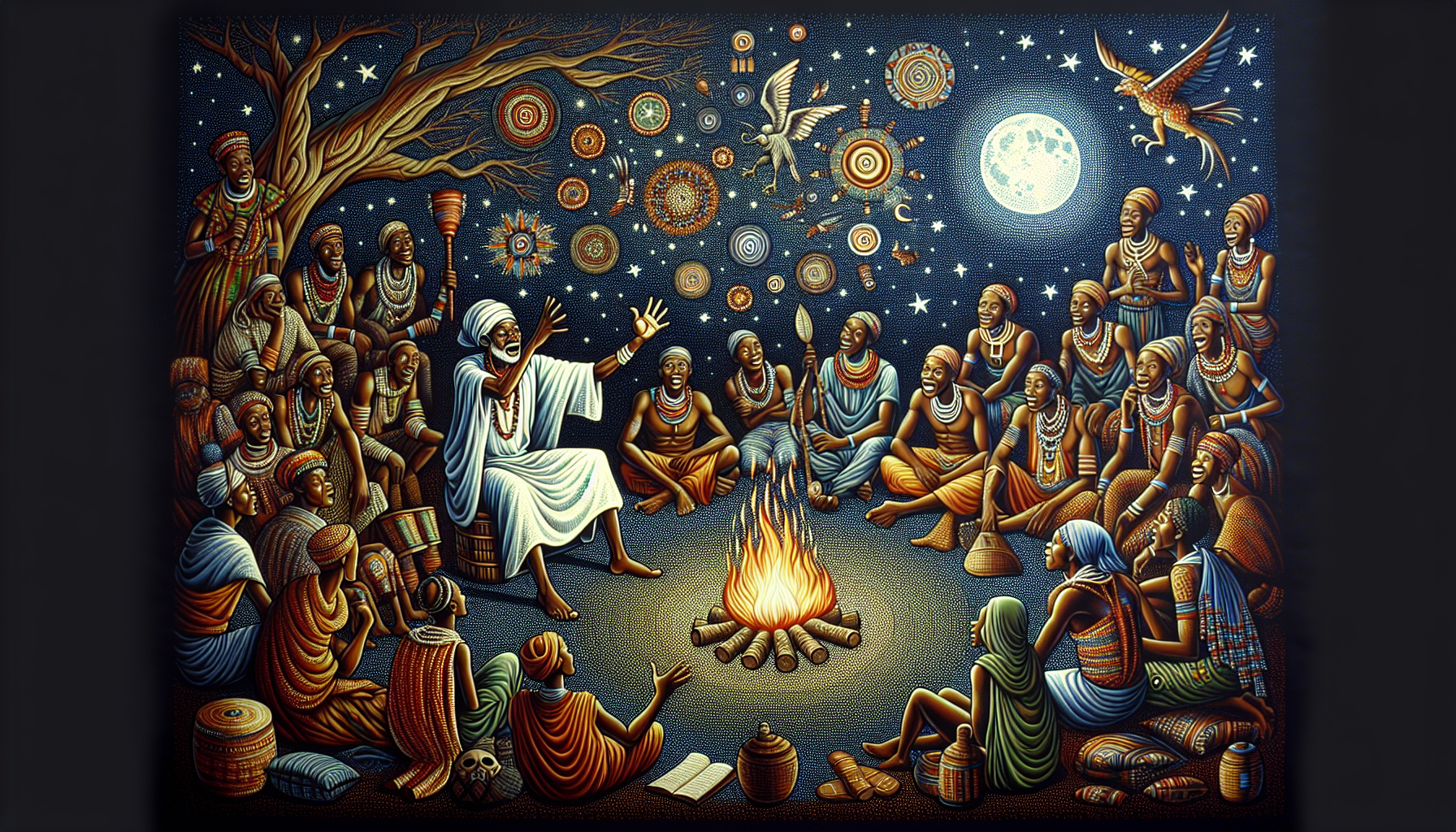
African storytelling is deeply rooted in the continent’s history, celebrating cultural heritage and community bonding. It is an intrinsic part of everyday life and serves various functions, from entertainment to education. The oral tradition encompasses a range of genres, including folk tales, myths, proverbs, and epics. This method of communication is not merely about narrating stories; it is about preserving and transmitting knowledge across generations.
Key Elements of African Storytelling
-
Narrative Techniques
African storytelling employs various techniques that enhance the storytelling experience. These include:
- Call and Response: Engaging the audience, encouraging participation, and energizing the storytelling session.
- Repetition: Reinforces critical points and aids memorization, allowing tales to be passed down accurately.
- Rhetorical Questions: Inviting the listener to ponder and reflect on the deeper meanings behind stories.
-
Cultural Significance
Each story is a thread in the cultural tapestry of a community. It reflects the customs, beliefs, and values of the people. For instance, the Maasai of East Africa narrate stories emphasizing bravery and wisdom, highlighting their warrior culture. Meanwhile, the Ashanti story of Anansi the Spider teaches cleverness and resourcefulness.
-
Character Archetypes
African stories often feature archetypal characters that resonate across different cultures. Heroic figures, wise elders, mischievous tricksters, and formidable beasts populate these narratives. Each character embodies specific traits, providing moral lessons and insights into human behavior. For example, the character of Anansi often represents duality, embodying both wisdom and folly, a mirror to human nature.
-
Themes and Morals
Central themes often revolve around moral lessons, cautionary tales, and communal values. Common themes include:
- Unity and Community: Many stories emphasize the importance of working together and supporting one another.
- Respect for Nature: A recurring theme showcases humanity’s relationship with the environment, often cautioning against overexploitation and disrespect.
- The Cycle of Life: Stories frequently explore birth, death, and the continuum of life, linking generations and honoring ancestors.
Regions and Their Distinct Styles
-
West Africa
In West Africa, storytelling is a vital social activity, often accompanied by music and dance. Griots, or oral historians, serve as the traditional storytellers, preserving the history and genealogy of families and kingdoms. In countries like Mali and Senegal, they recount epic tales like the Epic of Sundiata, focusing on the foundational stories of great empires and historical figures.
-
East Africa
East African storytelling often reflects the diverse cultures in the region. The Kikuyu of Kenya share tales that mix traditional beliefs with moral teachings. Lullabies and children’s stories are crafted to instill cultural values from a young age. The Swahili coast features a rich blend of African, Arab, and Persian influences, creating a unique oral tradition that celebrates various narratives and experiences.
-
Southern Africa
In Southern Africa, indigenous stories often serve as mediums through which communities express their history, spirituality, and social norms. The San people, for instance, are known for their rich mythology and stories connecting them intimately with nature. Tales about the clever hare challenge societal norms, often reflecting themes of cunningness and resilience.
-
North Africa
Amidst the diverse influences of North Africa, including Arab and Berber cultures, storytelling retains a unique flavor. The tradition is deeply embedded in Sufi teachings, where stories and parables convey profound spiritual truths. The tales recounted evoke the importance of wisdom, tolerance, and morality within the larger context of faith and community.
Prominent Storytellers and Figures
advertisement

The role of the storyteller is sacred, embodying a cultural bridge between the past, present, and future. Each region has notable storytellers who’ve shaped the crafting of narratives:
- Musa’s Story: A renowned griot from Mali, uniting communities through his storytelling sessions, crafting verses to sing the praises of ancient kings.
- Binta J. Sylla: A contemporary storyteller preserving the oral traditions of West Africa while engaging with modern themes.
- Auntie Nene: A celebrated storyteller among the Shona in Zimbabwe who captivates audiences with her animated performances, combining folklore with personal narration.
Modern Adaptations of Storytelling
While traditional storytelling persists, modern influences have seen its evolution. Storytelling now happens through various mediums, including literature, theater, film, and digital platforms. Authors like Chimamanda Ngozi Adichie and Ngũgĩ wa Thiong’o have transformed oral traditions into written art, exploring themes of identity, colonization, and migration.
The Role of Storytelling in Education
Storytelling serves as a powerful educational tool within African societies. Through tales laden with morals, young people learn virtues like honesty, bravery, and respect. Schools and community centers are increasingly incorporating storytelling into curricula, recognizing its effectiveness in capturing attention and making lessons memorable.
Technological Influence on Storytelling
The advent of technology has transformed traditional storytelling. Social media platforms enable storytellers to reach wider audiences, combining visual with oral narratives. Podcasts and YouTube channels dedicated to storytelling bring age-old tales into contemporary interpretations, allowing for rejuvenation and adaptation that resonates with today’s youth.
Preservation of Cultural Heritage
Efforts are underway to preserve African storytelling in its various forms, particularly as globalization and modernization pose challenges to traditional practices. Organizations are documenting oral histories, supporting traditional artists, and facilitating workshops that teach the art of storytelling to younger generations, ensuring these vital cultural narratives continue to flourish.
Festivals Celebrating Storytelling
Throughout Africa, storytelling festivals celebrate this rich tradition. Events like the Harare International Festival of the Arts (HIFA) in Zimbabwe and the National Arts Festival in South Africa create platforms for storytellers to showcase their talent, blending traditional narratives with contemporary themes. These gatherings help reforge community ties and encourage cultural exchange.
Cross-Cultural Influences
African storytelling has also influenced and been influenced by global literature and art. Elements of African oral traditions find their way into world literature, pushing the boundaries of narrative structures and themes. Writers and filmmakers often harvest these rich traditions, allowing African stories to resonate on a global scale while retaining their unique cultural flavors.
The Therapeutic Value of Storytelling
Beyond entertainment and education, storytelling serves therapeutic purposes. Engaging in narrative will enable individuals to articulate their experiences and emotions, fostering healing and resilience. Community storytelling circles provide safe spaces for sharing personal stories, addressing trauma, and promoting mental wellness.
Incorporation into Digital Platforms
With digital storytelling on the rise, African narratives are gaining new life. Platforms like TikTok, Instagram, and dedicated storytelling websites are helping to share these traditions with global audiences, ensuring that stories reach diverse demographic groups. Animations and graphic novels inspired by African myths and folklore are gaining popularity, attracting both children and adults alike.
Challenges Facing Oral Traditions
Despite the vibrancy imparted by modernization and globalization, challenges persist. The rapid urbanization of African societies has led to a decline in traditional storytelling customs as younger generations gravitate towards alternative forms of entertainment. Additionally, the preservation of dialects and languages—bedrocks of storytelling—is under threat, requiring concerted efforts to maintain linguistic diversity.
Conclusion
Storytelling stands as a core pillar of African culture, reflecting communal values, providing entertainment, and transmitting knowledge. The dynamic nature of African narratives allows them to evolve while standing the test of time. As these rich traditions continue to adapt within a modern context, their relevance remains undiminished, nurturing a sense of identity and belonging across generations.
advertisement