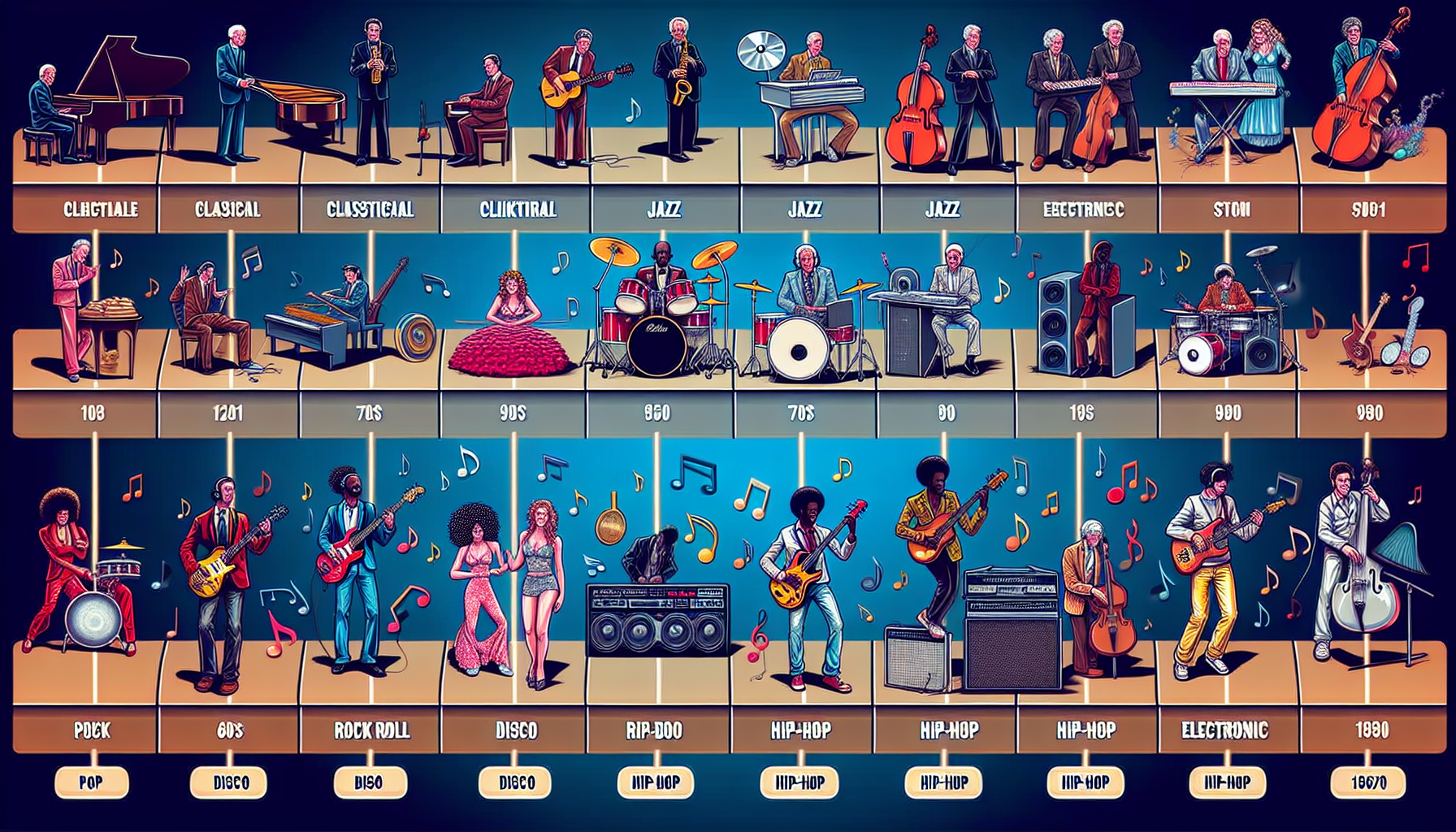
The Evolution of Music Genres Through the Decades
The 1920s: The Birth of Jazz
The 1920s heralded the Jazz Age, characterized by an explosion of creativity in music. Emerging from African American communities in New Orleans, jazz combined elements of blues, ragtime, and African rhythms. Artists like Louis Armstrong and Duke Ellington revolutionized music with improvisation, syncopated rhythms, and unique instrumentations. Jazz not only dominated the dance halls and speakeasies, but also contributed to the cultural landscape of the Harlem Renaissance, allowing for the expression of African American identity through musical innovation.
The 1930s: Swing and Big Bands
As America moved into the 1930s, jazz evolved into swing music, popularized by big bands led by figures like Benny Goodman and Glenn Miller. Swing music brought jazz to a broader audience and introduced a danceable beat, making it a staple in American culture. Swing also fostered the era’s social atmosphere, providing an escape during the Great Depression. This decade solidified the importance of musicianship and orchestration in popular music.
The 1940s: The Birth of Rhythm and Blues
The 1940s marked a significant transition with the birth of Rhythm and Blues (R&B). This genre combined jazz, blues, and gospel influences, giving rise to artists such as Ray Charles and Ruth Brown. R&B celebrated emotional expression and was integral in shaping the sounds that would lead to rock and roll. The era watched the introduction of independent record labels, which laid the groundwork for future musical innovation.
The 1950s: Rock and Roll Takes the Stage
The 1950s exploded with the sound of rock and roll, a genre that fused rhythm and blues with country and pop music. Icons like Elvis Presley, Chuck Berry, and Little Richard revolutionized music with high-energy performances and a youthful rebellion that resonated with teenagers across America. This decade saw the rise of radio as a powerful platform for music distribution, and the beginnings of television further catapulted rock and roll’s visibility.
The 1960s: The Counterculture and Psychedelia
The 1960s were marked by unprecedented social change, and music played a crucial role in the counterculture movement. The Beatles spearheaded the British Invasion, blending rock with pop sensibilities, while Bob Dylan’s lyricism transformed folk music into a vehicle for social commentary. Psychedelic rock emerged, challenging conventional song structures and commonly uplifting themes, with bands like The Doors and Jefferson Airplane leading the way. The festival scene flourished, with events like Woodstock, uniting music lovers under the ideals of peace and love.
advertisement

The 1970s: Diversity in Rock and Disco
The 1970s diversified music genres, with rock splintering into subgenres such as hard rock, punk, and progressive rock. Bands like Led Zeppelin and The Who redefined rock music’s possibilities. Meanwhile, disco rose to prominence with its dance beats and flamboyant style, represented by artists like Donna Summer and the Bee Gees. This era also witnessed the birth of hip-hop, with DJs like Kool Herc using turntables to create new sounds, setting the stage for a cultural revolution.
The 1980s: Pop, Hip-Hop, and MTV
The 1980s saw the emergence of pop icons such as Michael Jackson and Madonna, whose music and visual style dominated the airwaves. The introduction of MTV in 1981 brought a new visual dimension to music promotion, allowing artists to reach broader audiences. Hip-hop began to establish itself as a powerful force, gaining mainstream popularity with figures like Run-D.M.C. and Public Enemy, whose music carried potent social messages. The decade also saw the birth of heavy metal with bands like Metallica and Iron Maiden escalating the genre’s popularity.
The 1990s: Alternative and the Rise of Teen Pop
The 1990s welcomed a wave of alternative rock, driven by grunge bands like Nirvana and Pearl Jam. This shift marked a departure from the glam pop of the 1980s, tapping into themes of angst and disillusionment. The teen pop phenomenon emerged with artists like Britney Spears and NSYNC, redefining the music landscape. This decade also saw the proliferation of hip-hop, with artists like Tupac Shakur and The Notorious B.I.G. elevating the genre to new heights and risking controversy with their impactful narratives.
The 2000s: The Digital Revolution
The new millennium was marked by the digital revolution, fundamentally altering how music was produced, distributed, and consumed. The rise of the internet and MP3 files made music more accessible, while artists began using social media platforms to engage with fans. Genres like pop, R&B, and hip-hop blended into new forms with artists like Usher and Beyoncé leading the charge. Indie music also flourished in this decade, with platforms such as Bandcamp and MySpace promoting unsigned talent.
The 2010s: Genre Blending and Globalization
The 2010s embraced genre-blending like never before, with artists such as Drake and Shawn Mendes merging pop, R&B, and hip-hop influences into chart-topping hits. The rise of global music styles was evident, with K-pop and Reggaeton gaining substantial international recognition. Artists like BTS and J Balvin transcended borders, showcasing diverse sounds that captivated global audiences. Streaming services like Spotify and Apple Music further reshaped the industry, dictating listening habits and chart performance.
The 2020s: The Age of Individualism and Inclusivity
As the 2020s unfold, music continues to evolve with a strong emphasis on individualism and inclusivity. Genres are increasingly fluid, allowing for artists like Lil Nas X to blend country and hip-hop, challenging perceptions and boundaries. The COVID-19 pandemic accelerated the trend of virtual concerts and collaborations, redefining live music experiences. Social issues resonate in the music, with artists using their platforms to promote activism and awareness on topics such as racial justice and mental health.
The Influence of Technology on Music
Throughout the decades, technology has played a pivotal role in shaping music genres. From the early days of vinyl and radio to the contemporary digital landscape, advancements have continually impacted how music is produced, shared, and consumed. Tools like synthesizers in the 80s and digital audio workstations today have democratized music creation, enabling aspiring artists to produce high-quality sounds from home.
Future Trends in Music Genres
Looking ahead, the music landscape is likely to continue embracing diversity and innovation. Emerging technologies such as artificial intelligence are expected to influence music creation, curation, and distribution. Genre boundaries may dissolve further as collaborations become commonplace, and the impact of social media will continue to shape emerging artists’ pathways to success. The rise of virtual reality experiences in music consumption may also redefine how fans engage with their favorite artists and genres.
Final Thoughts on Music Evolution
The evolution of music genres through the decades reflects broader societal changes, technological advancements, and cultural revolutions. Each decade has contributed to the vibrant tapestry of music we enjoy today. The future holds limitless possibilities as artists continue to break barriers and redefine what music can be, echoing the sentiments of the generations that came before them. With a rich past and an innovative future, music will undoubtedly continue to evolve, mirroring the complexity of human experience.
advertisement