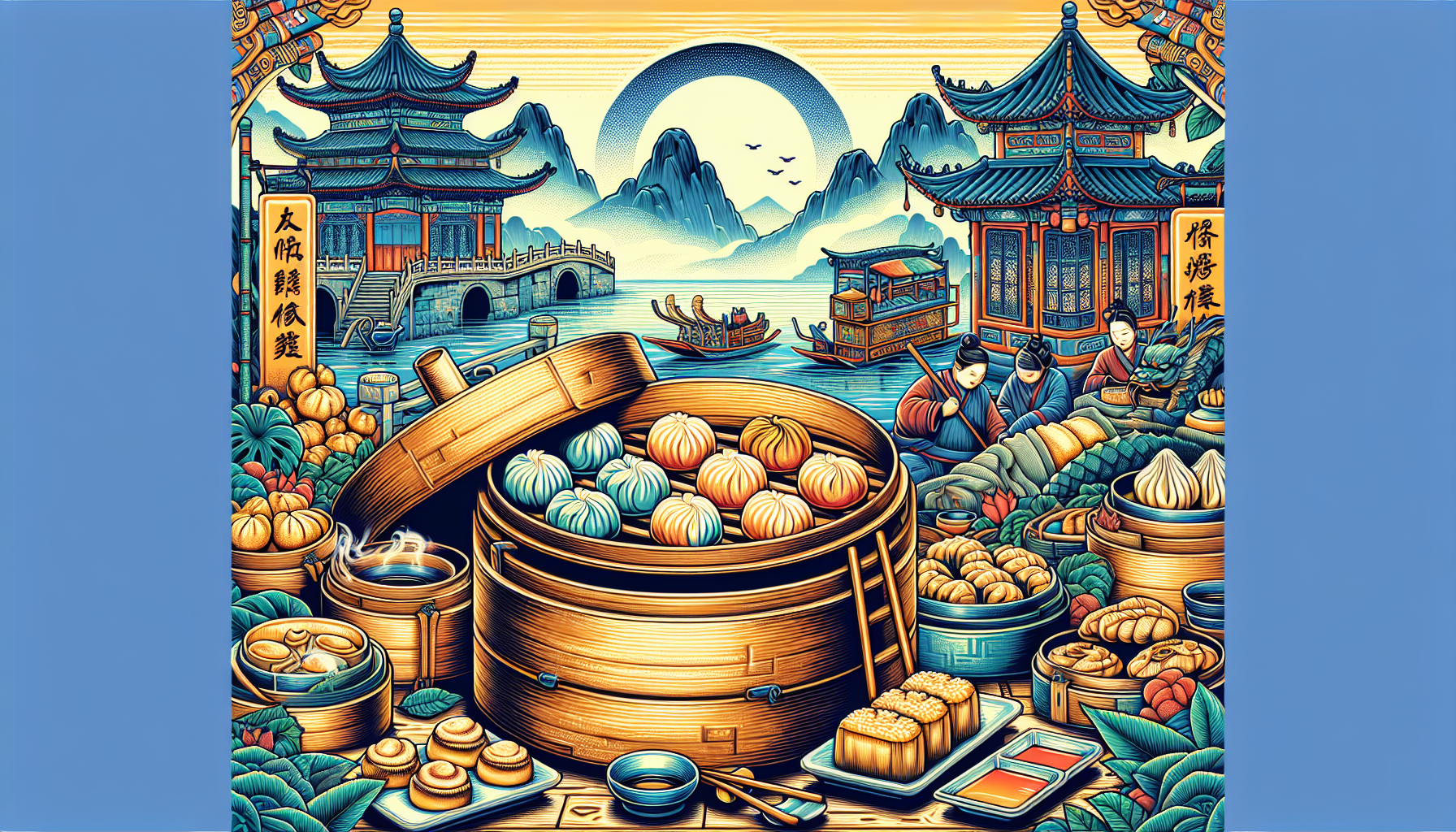
Exploring the Rich History of Dim Sum
The Origins of Dim Sum
Dim sum, a beloved culinary tradition hailing from China, has its roots in the ancient practice of tea drinking. According to historical accounts, during the Song Dynasty (960–1279 AD), tea houses began serving small snacks to accompany the tea, paving the way for the dim sum we know today. Originating in the southern provinces of China, particularly Guangdong, this tradition quickly spread, evolving into an art form that combines food, culture, and a shared community experience.
Early Influences
The term “dim sum” translates to “touch the heart” in Cantonese, which emphasizes its role as a complement to tea rather than a standalone meal. Its early iterations were simple rice rolls and dumplings, often steamed and served in bamboo baskets. As trade routes expanded during the Ming Dynasty (1368–1644 AD), influences from various regions began to enrich the dim sum repertoire. The inclusion of ingredients like shrimp, pork, and various herbs brought a complex flavor profile that defined future dim sum dishes.
The Evolution of Dumplings
Dumplings are perhaps the most iconic representation of dim sum. Emerging from northern China, various forms of dumplings, such as jiaozi and baozi, traveled south, adapting to local tastes. The introduction of sifting techniques culminated in the delicate, thin-skinned dumplings known as “shumai” and “har gow,” which are now staples at dim sum tables. Enhanced by flavorful fillings and steam cooking, these dumplings illustrate a remarkable blend of cultures, showcasing the adaptability of Chinese cuisine over centuries.
Cultural Significance
Dim sum has evolved beyond mere sustenance; it embodies socialization and cultural traditions. Traditionally enjoyed during Cantonese brunch on weekends, it serves as a bonding experience for family and friends. The practice of ordering a variety of dishes, sharing them in a familial setting, and engaging in conversation promotes community-oriented interaction.
The Teahouse Concept
The evolution of teahouses played a pivotal role in popularizing dim sum. With their vibrant atmosphere, teahouses became social hubs where locals and travelers could unwind. The practice of yum cha, or “drinking tea,” complemented by a variety of dim sum dishes, took root in these establishments. The tradition of pushing rolling carts filled with tantalizing small plates brightened the dining experience, making it interactive and dynamic.
advertisement

Regional Variations
While Cantonese dim sum is the most recognized style, various regions in China offer their unique interpretations. For instance, Sichuan dim sum features spicy flavors and bold ingredients, while northern-style dim sum may emphasize hearty dumplings stuffed with meat and vegetables.
In Hong Kong, which is often seen as the modern epicenter of dim sum, innovative chefs have begun to fuse traditional dishes with Western influences, creating contemporary versions of classic dim sum. Restaurants like Tim Ho Wan and DimDimSum have elevated the dining experience, blending tradition with culinary innovation.
Iconic Dim Sum Dishes
Several dishes have become synonymous with the dim sum experience.
Har Gow
Har gow, or shrimp dumplings, are delicately wrapped in a translucent rice flour dough. They are known for their slightly chewy texture and umami flavor. A hallmark of any dim sum banquet, these dumplings embody the craftsmanship of dim sum chefs, who take pride in perfecting the art of wrapping.
Shu Mai
Shu mai, or pork dumplings, are open-topped and typically filled with ground pork, shrimp, and mushrooms. Their distinctively shaped, pleated skins make them a visually appealing addition to the dim sum selection. Often garnished with fish roe or diced carrots, shu mai is beloved for its savory taste and satisfying texture.
Char Siu Bao
Char siu bao, or barbecue pork buns, are another dim sum favorite. These fluffy, steamed buns are filled with savory-sweet roasted pork, creating a delightful juxtaposition of flavors. The unique texture of the bun, along with the flavor of the char siu, has made this dish a must-try for dim sum enthusiasts.
Egg Tarts
While not a savory dish, egg tarts are a quintessential dessert seen in many dim sum establishments. With their flaky crust and creamy custard filling, these tarts highlight the influence of Portuguese cuisine on Chinese pastry-making. Their popularity showcases the cultural blending that defines many aspects of dim sum.
The Influence of Emigration
The global spread of dim sum has been significantly influenced by Chinese emigrants throughout history. Starting in the 19th century, Chinese immigrants carried their culinary traditions to various countries, including the United States, Canada, and Australia. These diaspora communities adapted recipes to accommodate local tastes while retaining the essence of dim sum.
In places like San Francisco and New York, dim sum has gained popularity, often attracting diverse crowds. Innovations and regional twists, such as fusion cuisine, have emerged, adding to the rich tapestry of this culinary tradition.
Contemporary Dim Sum
In recent years, dim sum has seen a renaissance as chefs strive to present traditional dishes with a modern flair. This movement has resulted in high-end dim sum establishments and innovative reinterpretations of classic dishes. Chefs around the world experiment with flavors, ingredients, and presentation, creating unique dining experiences.
Dim Sum Brunch Culture
The bustling dim sum brunch culture has become a weekend ritual for many, with families queuing for hours at popular restaurants. The miniaturized portions encourage patrons to sample a range of offerings, igniting culinary curiosity. Host to celebrations and gatherings, dim sum has transcended cultural boundaries, becoming a global culinary symbol of community and sharing.
Health Aspects of Dim Sum
While many associate dim sum with indulgence, healthy options have emerged to meet the demands of modern diners. Steamed dishes, such as vegetable dumplings and steamed buns, offer lighter alternatives. Integrating whole ingredients like vegetables and lean meats, chefs embrace health-conscious approaches that retain flavor.
There’s also a growing trend toward gluten-free and vegan dim sum options in response to dietary preferences and restrictions. By innovating with alternative ingredients, the dim sum industry continues to evolve, ensuring inclusivity for diverse palates.
The Future of Dim Sum
As the world becomes increasingly interconnected, dim sum continues to adapt and thrive. Its rich history and cultural significance are capturing attention on global platforms, leading chefs to explore new interpretations while honoring traditional techniques.
With an ever-expanding audience eager to experience authentic flavors and innovative twists, the future of dim sum remains bright. From traditional teahouses to upscale dining establishments, the tradition of dim sum not only preserves Chinese cultural heritage but also elements of modern gastronomy.
Final Thoughts
Exploring the history of dim sum reveals an intricate tapestry woven with cultural influences, communal traditions, and culinary creativity. This time-honored practice, rooted in centuries of history, continues to evolve, inviting food lovers from around the world to partake in its rich legacy. Whether through savoring classic dishes or experiencing modern adaptations, the essence of dim sum endures, fostering connection and celebration at every dining table.
advertisement