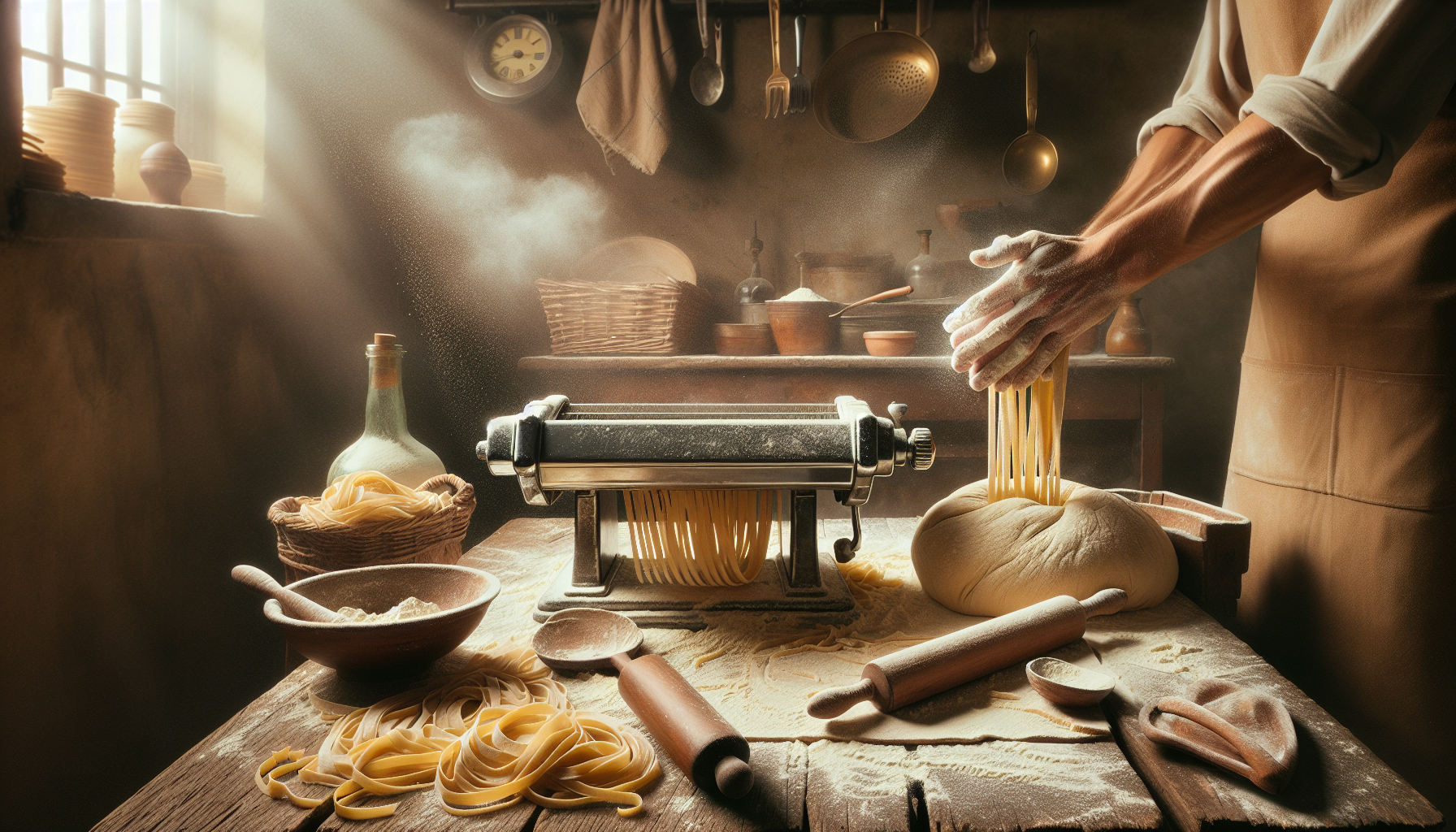
The Art of Making Authentic Italian Pasta
The Origins of Pasta
Pasta is not just food; it is a vital part of Italian culture, with roots tracing back to ancient Roman and Etruscan civilizations. Historically, pasta was made from durum wheat and water, creating a simple yet versatile foundation for various dishes. Understanding the origins and traditional methods of pasta-making is essential for recreating authentic Italian pasta at home.
Types of Pasta
Italian pasta comes in numerous shapes and sizes, each designed for specific sauces, textures, and culinary experiences. Familiarizing yourself with the types of pasta will elevate your cooking. Widely classified, pasta can be differentiated into two main categories: fresh and dried.
-
Fresh Pasta: Made from flour and eggs, fresh pasta has a tender texture and is best suited for lighter sauces. Common varieties include:
- Tagliatelle: Long, flat ribbons often served with rich sauces like Bolognese.
- Ravioli: Stuffed pasta pillows filled with meat, cheese, or vegetables, served with a sauce that complements the stuffing.
-
Dried Pasta: Typically made with semolina flour and water, it has a firmer texture that holds up well during cooking. Popular forms include:
- Spaghetti: Long, thin strands perfect for traditional marinara or carbonara.
- Penna: Short, tubular pasta ideal for baked dishes or chunky sauces.
Essential Ingredients
When it comes to making authentic pasta, the choice of ingredients will significantly influence the final product. Here are the essentials:
-
Flour: The backbone of pasta. The preferred choices are:
- 00 Flour: Finely milled, high-protein flour ideal for making silky, smooth pasta.
- Semolina Flour: Coarser than all-purpose flour, used for dried pasta, providing a robust texture.
-
Eggs: For fresh pasta, large eggs provide richness and color, binding the flour together.
-
Water: Depending on the pasta type, a small amount of water may be added to adjust dough consistency.
-
Salt: Used sparingly, salt enhances flavor.
The Dough-Making Process
Mastering the art of pasta starts with the dough. Here’s a time-tested method to create the perfect pasta dough.
-
Measurement: For every 100 grams of flour, one egg is generally recommended. For a small batch of pasta, use 200 grams of flour and 2 large eggs.
-
The Well Method:
- Place flour on a clean, flat surface, creating a mound. Make a well in the center.
- Crack the eggs into the well and add a pinch of salt.
-
Mixing:
- Using a fork, beat the eggs gently, gradually incorporating flour from the edges of the well until the mixture becomes too stiff to mix with a fork.
- Use your hands to bring the dough together, kneading it until smooth and elastic, about 10 minutes.
-
Resting the Dough: Wrap the dough in plastic wrap and let it rest for at least 30 minutes at room temperature. This resting period allows gluten to relax, making the dough easier to roll out.
Rolling and Shaping the Pasta
After resting, it’s time to roll out the dough. This is where creativity plays a pivotal role.
advertisement

-
Tools Required:
- Pasta Machine: Ideal for achieving uniform thickness.
- Rolling Pin: For traditional methods, a pin can be used instead.
- Flour: To dust the working surface and prevent sticking.
-
Rolling the Dough:
- Divide the dough into quarters. Keep the unused portions covered to prevent drying out.
- Flatten one piece slightly and pass it through the widest setting of your pasta machine. Gradually decrease the thickness setting, rolling the dough through until desired thinness is reached.
-
Cutting Pasta:
- For tagliatelle or fettuccine, roll the sheet up lightly and cut it into strips.
- For ravioli, use a round cutter to cut out discs, fill with desired stuffing, and seal with another disc or shape.
Cooking Pasta to Perfection
Cooking pasta is an art in itself. To achieve al dente perfection that’s synonymous with authentic Italian pasta, follow these steps:
-
Boiling Water: Use a large pot filled with water. A rule of thumb is to use at least 4-6 quarts of water for every pound of pasta. Add a generous amount of salt—about 1 tablespoon per liter.
-
Cooking:
- Add the pasta to the boiling water, stirring gently to prevent sticking.
- Cook fresh pasta for about 2-4 minutes, while dried pasta will require 8-12 minutes depending on the shape.
- Always taste a piece for the perfect firmness.
-
Draining: Reserve a cup of pasta cooking water before draining. This starchy water can be added to sauces to adjust consistency and improve flavor adherence.
Pairing Sauces with Pasta
An authentic Italian meal is incomplete without its accompanying sauce. Different pasta shapes deserve different sauces; thus, understanding this relationship is crucial:
-
Tomato-Based Sauces: Good for shapes like penne or spaghetti. A classic Marinara or a rich Arrabbiata complements these forms perfectly.
-
Cream-Based Sauces: Pair well with fettuccine or tagliatelle.
-
Oil-Based Sauces: Perfect for long pasta varieties, such as spaghetti Aglio e Olio, composed of garlic and olive oil.
-
Pesto: This fresh basil sauce is perfect for any shape, especially trofie or linguine.
Seasoning and Finishing Touches
Authentic Italian pasta shines with simplicity and quality natural ingredients. After combining your pasta with the sauce, consider these finishing touches:
- Grated Cheese: Parmigiano-Reggiano or Pecorino Romano enhances flavor and adds creaminess.
- Fresh Herbs: A sprinkle of basil or parsley gives a burst of freshness.
- Olive Oil: A drizzle of high-quality extra virgin olive oil enhances flavor.
Serving and Enjoying Pasta
The way pasta is served can add to the overall dining experience. Traditionally, pasta is served as a primo (first course) in Italy, followed by a lighter second course.
- Presentation: Use warmed bowls or plates, and serve immediately after mixing with the sauce to maintain heat.
- Accompaniments: Pair with a light salad and some crusty bread, and consider serving an Italian wine that complements the meal.
Final Tips for Mastery
- Experiment: Don’t hesitate to try different flours, sauces, and pairings.
- Practice Makes Perfect: Mastering pasta takes time. Expect some failures along the way.
- Learn from Tradition: Research regional pasta dishes from various parts of Italy for inspiration.
Investing time in understanding the nuances of pasta-making can lead to delightful culinary experiences, allowing you to bring a genuine taste of Italy into your home kitchen.
advertisement