Fashion Week Highlights: Innovations and Trends to Watch
1. Sustainability Takes Center Stage
One of the most prominent trends across various Fashion Weeks is sustainability. Designers are increasingly prioritizing eco-friendly materials, ensuring that their creations do not come at the planet’s expense. From biodegradable fabrics to recycled materials, eco-conscious design is reshaping the industry narrative. Brands like Stella McCartney and Reformation are pioneering the movement, integrating innovative practices like dyeing with natural pigments and employing sustainable sourcing methods. The emphasis on transparency is also key—consumers now seek to understand the lifecycle of their clothing, pushing brands towards more responsible practices.
2. Digital Fashion and Virtual Runways
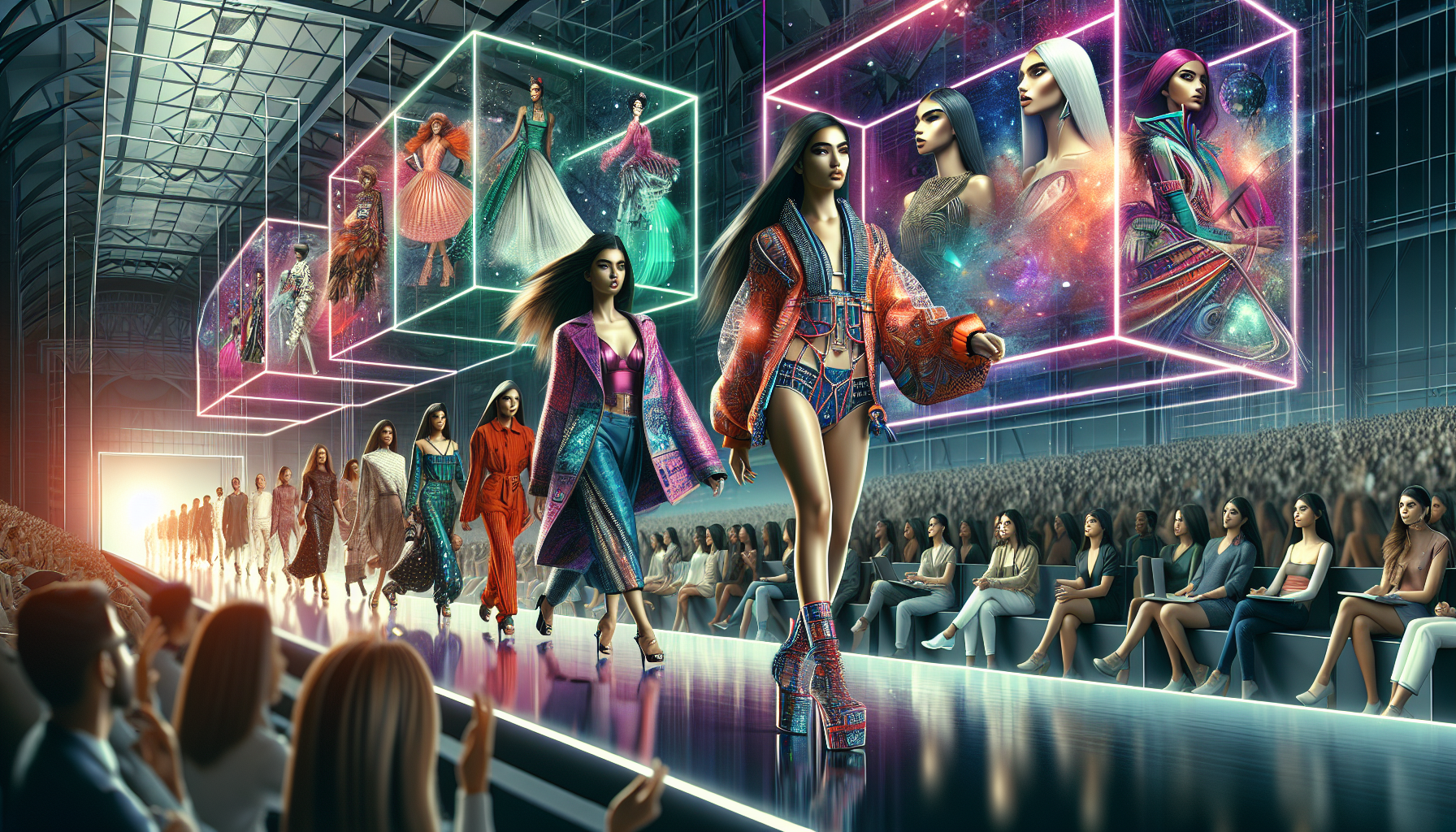
The digital transformation of the fashion industry gained tremendous traction during the pandemic, leading to a notable convergence of technology and fashion. Virtual fashion shows have become a norm, allowing brands to reach global audiences without geographical constraints. Designers are incorporating augmented reality (AR) to enhance customer experiences, enabling them to visualize how clothes would look on them before purchasing. Notable brands like Balenciaga and Gucci have explored digital fashion with NFTs, selling virtual clothing and enabling ownership in the metaverse. This trend not only provides new revenue streams but also symbolizes a cultural shift in how fashion is perceived and consumed.
advertisement

3. ‘Couture Meets Comfort’ in Ready-to-Wear
As lifestyles evolve, so do our clothing preferences. The blending of couture and comfort is one of the defining trends, where functional yet stylish items are taking precedence. The rise of athleisure isn’t just a passing trend; it represents a broader cultural acknowledgment of the need for comfort without sacrificing style. Designers like Jacquemus and Telfar are successfully marrying luxurious fabrics with relaxed silhouettes, creating outfits that resonate with consumers’ demands for versatility. This shift indicates a move away from rigid fashion norms, advocating for clothing that complements modern, dynamic lifestyles.
4. Bold Colors and Prints
Fashion Weeks this season have showcased an exuberance of color, with collections featuring bold and vibrant hues. Bright yellows, striking reds, and deep blues are making waves, inspired by nature, art, and urban culture. Print-wise, patterns are taking a bold direction—think oversized florals, geometric designs, and eclectic combinations. Designers like Etro and Versace are known for embracing daring prints that encourage self-expression. The return to maximalism indicates a collective yearning to break from the monotony of minimalism, allowing fashion to be a canvas for individuality.
5. Gender Fluidity in Fashion
The rigid boundaries of gendered clothing continue to blur, providing a platform for self-expression and inclusivity. Many designers have embraced gender-fluid collections, where garments are designed to be worn by anyone, regardless of gender. Labels such as J.W. Anderson and Acne Studios are crafting pieces that defy traditional gender norms, incorporating unisex styles that appeal to a modern audience. This shift reflects broader societal changes regarding gender identities, encouraging consumers to embrace clothing that resonates with their personal identities.
6. Tech-Infused Fashion
As technology permeates various aspects of life, fashion is no exception. 3D printing, programmable textiles, and smart fabrics are revolutionizing garment production. The future of fashion is likely to be interwoven with tech, allowing for customizable clothing that adapts to the wearer’s needs. Brands like Iris van Herpen have delved into 3D printing, creating intricate designs that wouldn’t be possible through traditional sewing. The ability to produce intricate patterns while minimizing waste signifies how tech is pushing the boundaries of creativity and sustainability.
7. Nostalgic Revivals
Fashion often revisits past aesthetics, and this season has seen vibrant nods to the ’70s and ’90s. Retro styles are reemerging, with flared pants, oversized blazers, and vintage-inspired accessories becoming staples. Designers are not just replicating old styles; they are infusing them with modern twists that breathe new life into nostalgic trends. Brands like Miu Miu and Prada have successfully tapped into this revival, emphasizing the cyclical nature of fashion while encouraging consumers to reinterpret these styles in contemporary contexts.
8. Accessories as Statements
Accessories are becoming key components in any fashionable outfit, with jewelry, bags, and shoes taking on statement roles. Chunky jewelry, oversized bags, and unique footwear are not just add-ons but central pieces to achieve a complete look. Designers today are utilizing bold materials and extraordinary designs to ensure accessories leave lasting impressions. Brands like Louis Vuitton and Chanel are leading this movement, showcasing how accessories can elevate simplicity into extraordinary and making them essential for modern consumers seeking to stand out.
9. The Rise of Diversity and Inclusion
Fashion Week highlights demonstrate a progressive embrace of diversity, championing not just body inclusivity but also racial and cultural representation. More brands are showcasing diverse models and incorporating varying body types on the runway—this year’s Fashion Weeks have seen a marked increase in representation across sizes and complexions. The push for inclusivity is vital in shifting perceptions and encouraging a more holistic view of beauty in the industry. Forward-thinking designers are making a conscious effort to reflect the multidimensionality of society in their collections.
10. Influencer Collaborations and Social Media Impact
Social media continues to shape trends, with influencers playing a pivotal role in defining what’s ‘in’. Collaborations between brands and social media personalities are prevalent, bringing fresh perspectives and new audiences to established labels. Brands are leveraging influencer visibility to propel their collections, often resulting in limited-edition drops that create buzz and urgency. This trend exemplifies how social media amplifies fashion narratives, allowing for real-time engagement between consumers and creators, spearheading a new marketing approach in the industry.
11. Minimalism with a Twist
While bold colors and maximalism have garnered attention, minimalism remains a steadfast choice in modern fashion. However, the contemporary minimalist aesthetic is evolving. Designers are focusing on clean lines and understated elegance, but with unique details that set them apart. Textures, asymmetric cuts, and innovative silhouettes enhance classic forms, making minimalistic outfits standout choices for those who prefer subtler expressions of style. Brands like The Row and COS exemplify this refined minimalism, offering pieces that exude sophistication while remaining versatile and timeless.
12. Local Craftsmanship and Artisanship
As sustainability thrives, there is a growing appreciation for local craftsmanship and traditional techniques. More designers are opting to work with artisans, bringing handmade elements to their collections that tell a story. This trend not only emphasizes artistry over mass production but also supports local economies and cultures. Labels like Mara Hoffman and J.Crew have explored artisanal collaborations, ensuring that their pieces resonate with authenticity—a quality that is increasingly valued by conscientious consumers.
13. Focus on Comfort Wear
The comfort-driven shift continues to hold sway, influencing everything from office attire to evening wear. As professionals navigate hybrid work environments, the merging of workwear and loungewear has paved the way for stylish yet comfortable pieces. Designers are creatively crafting tailored joggers, chic blazers paired with relaxed bottoms, and versatile dresses that transition easily from home to office. This trend emphasizes practicality, clearly indicating a preference for wardrobe staples that blend comfort with professionalism.
14. The Evolution of Footwear Trends
Footwear trends seen on the runways reflect a variety of influences. From chunky sneakers that hint at the ’90s revival to elegant slides and platform shoes, designers are offering diverse styles that cater to every aesthetic. The appeal lies in both form and function, where comfort is prioritized alongside visual impact. Brands like Dr. Martens and Platform are steering footwear trends, demonstrating how shoes can serve as key statement pieces within a wider outfit.
15. Future-Proof Fashion
The concept of future-proof fashion has emerged, with designers creating pieces intended to be timeless rather than trend-driven. This approach emphasizes versatility, with styles that can transcend seasons and be easily adapted. Innovations in textiles are also playing a role, introducing materials that resist wear and retain their shape, encouraging sustainable consumer habits. This trend serves as a commitment to responsible consumption and a conscious shift towards quality over quantity.
16. Collaboration Between High Fashion and Streetwear
The line between high fashion and streetwear continues to blur, creating a fusion that celebrates urban culture while maintaining an element of luxury. Collaborations between high-end brands and streetwear labels are becoming commonplace, appealing to a diverse consumer base. Notable partnerships include Louis Vuitton and Supreme, which showcase how these two seemingly disparate worlds can blend harmoniously. This trend highlights a cultural shift, allowing fashion to become more accessible while simultaneously amplifying the narrative of creativity and innovation.
17. Art and Fashion Intersections
The intersection of art and fashion has grown increasingly pronounced, with designers drawing inspiration from contemporary art movements and collaborating with artists. Collections often reflect artistic expressions that elevate garments into statement pieces. Notable names like Alexander McQueen and Viktor & Rolf epitomize this trend, showcasing how runway shows can double as art exhibitions. This melding of disciplines offers a unique storytelling medium, allowing designers to convey deeper narratives through their collections.
18. Personalized Shopping Experiences
The retail landscape is evolving, with personalized shopping experiences becoming the norm. Data-driven insights and customer feedback are being utilized to tailor offerings to individual preferences. Brands are leveraging AI and machine learning to curate collections that resonate with their target audiences. The rise of tailored experiences fosters stronger customer loyalty and redefines the shopping journey, moving away from one-size-fits-all approaches towards personalized interactions that enhance consumer satisfaction.
19. The Importance of Fashion Tech Integration
Fashion is heavily influenced by advancements in technology, with integration into the design process becoming indispensable. Tools such as AI-powered design software and virtual fitting rooms are now standard in many fashion houses, streamlining production and improving customer experiences. The benefits extend to designers, enabling them to innovate faster while reducing waste during the design phase. This trend emphasizes that collaboration between fashion and technology will be crucial to staying relevant in an ever-changing market.
20. Global Perspectives in Fashion
Fashion Weeks worldwide are increasingly showcasing diverse influences, drawing inspiration from global cultures and traditions. This trend reflects a collective yearning for inclusivity and understanding. Designers from various regions bring unique perspectives, enriching the fashion landscape. Recognizing cultural heritage forms the backbone of many collections, celebrating authenticity and creating conversations around identity and belonging. As fashion becomes a more inclusive sphere, it encourages dialogue and fosters appreciation for the intricacies of cross-cultural exchanges.
21. Maximizing Wearability Through Versatility
As consumers prioritize practicality, designers are focusing on pieces that offer multiple styling possibilities. This trend underscores the importance of versatility, with items that can be worn in various scenarios or styled differently being highly coveted. Capsule collections that emphasize mix-and-match capabilities are gaining traction, encouraging consumers to invest in quality staples that offer longevity. Brands such as Everlane and Reiss exemplify this approach, promoting a wardrobe philosophy centered on function and adaptability.
22. The Influence of Music on Fashion
The synergy between music and fashion has been palpable in recent seasons, with musicians increasingly collaborating with designers to create signature lines. The aesthetic shared through music genres—whether it be the punk influences of rock or the chic styles of hip-hop—has found its way onto runways. The cultural impact of artists is evident, shaping trends and inspiring collections. This interplay underscores that fashion is not merely about clothing; it reflects broader cultural narratives, intertwining styles and communities into a cohesive, vibrant industry.
23. Experiential Retail Takeover
Leading retailers are embracing experiential retail, where shopping transcends the mere act of purchasing. Events, pop-up shops, and immersive brand experiences focus on engaging customers creatively. This trend highlights the importance of creating memorable encounters that foster brand loyalty and community. By blurring the lines between physical and digital realms, brands can build meaningful connections with consumers, ensuring they remain relevant in an age where online shopping dominates.
24. The Influence of Social Causes on Fashion Branding
Brands are increasingly using their platforms to advocate for social causes, reflecting a shift in consumer consciousness towards ethical issues. Whether it’s promoting body positivity, supporting LGBTQ+ rights, or emphasizing racial equality, socially responsible initiatives resonate deeply with consumers today. Brands that authentically position themselves as advocates for change are finding greater loyalty from their audiences. Fashion has become a vehicle for meaningful discussions, allowing consumers to express their values through their clothing choices.
25. Summary of Key Trends to Watch
- Sustainability: Eco-friendly materials and transparent practices are becoming essential.
- Digital Fashion: Virtual runways and augmented reality create inclusive experiences.
- Gender Fluidity: Unisex styles are redefining traditional fashion norms.
- Bold Aesthetics: Vibrant colors and extravagant prints are coming back.
- Tech Innovation: Integration of technology is essential in the evolving landscape of fashion.
Fashion Weeks are not just showcases of clothes but reflect the evolving societal fabric. The trends emerging highlight a fascinating blend of tradition, modernity, creativity, and sustainability, offering vibrant insight into the future of fashion. As we continue to navigate through these dynamic changes, the ability to adapt and innovate will define the industry’s trajectory, ensuring that it remains an exciting space for all.
advertisement