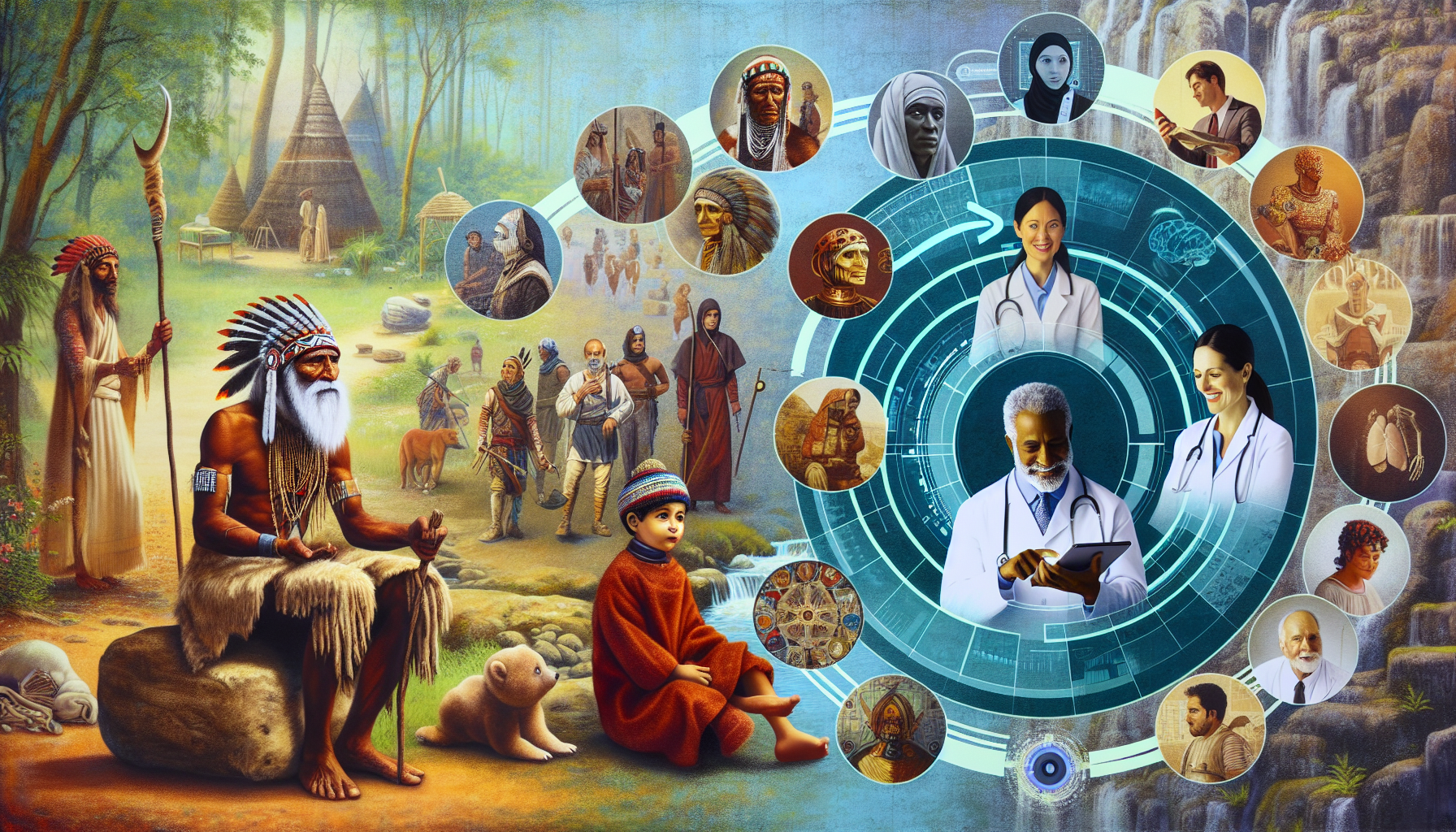
The Evolution of the Doctor-Patient Relationship
Historical Context
The doctor-patient relationship has transformed dramatically throughout history, reflecting changes in societal values, medical practices, and technological advancements. In ancient civilizations, such as those in Egypt, Greece, and Rome, medical practitioners often held a sacred status. The Hippocratic Oath, originated around 400 BC, emphasized ethical practice, forming the foundation for future doctor-patient interactions. The physician’s role was largely paternalistic—doctors made decisions for patients based on perceived knowledge and authority.
The Middle Ages to the Renaissance
During the Middle Ages, the relationship between physicians and patients became heavily influenced by religious doctrine. Illness was often seen as a punishment or a test from God. Physicians, often clerics themselves, provided care that was intertwined with spiritual guidance. However, as the Renaissance ushered in a focus on observation and scientific inquiry, the dynamic began to shift. Physicians encouraged patient involvement, although their authority remained largely unchallenged.
The Enlightenment and the Rise of Professionalism
The Age of Enlightenment brought significant changes in the 18th century. Scientific rationalism began to eclipse religious interpretations of health crises. Medical education became more structured, creating a formalized practice. The doctor-patient relationship gradually transitioned from a purely authoritarian model to one where patients were treated as individuals with specific needs and perspectives.
The 19th Century: A Shift Toward Empiricism
The advent of empiricism in the 19th century further transformed the doctor-patient relationship. Physicians began to focus on evidence-based practices, improving diagnostic accuracy. The increase in medical journals and professional organizations also heralded a new age of collaboration among healthcare providers. This facilitated a shared understanding of health-related matters, allowing patients to engage more actively in decisions regarding their care.
The 20th Century: Patient-Centered Care Emerges
As the 20th century progressed, the growth of patient-centered care emerged as a reaction against the earlier paternalistic model. The mid-century revolution in psychology and humanistic approaches led to greater recognition of the patient’s emotional and psychological well-being as central to healthcare.
advertisement

1. The Patient Advocacy Movement
The 1960s and 1970s marked a pivotal era for patient advocacy. Patients began to challenge the traditional hierarchy, advocating for their rights and expressing a desire for autonomy in decision-making. This cultural shift was largely inspired by broader social movements promoting civil rights and personal freedoms. The principle that patients should have a say in their treatment options gained traction, paving the way for collaborative communication.
2. The Birth of Informed Consent
By the end of the 20th century, informed consent became a legal and ethical pillar of medical practice. Patients were no longer passive recipients of care but active participants. This transition required doctors to not only communicate risks and benefits effectively but also to ensure that patients comprehended their options. Health literacy became crucial, underscoring the need for clear, empathetic communication.
Technological Advancements and Their Influence
The late 20th and early 21st centuries have witnessed exponential growth in technology, significantly influencing the doctor-patient relationship. The proliferation of the internet led to a new era of information accessibility. Patients began to research their conditions, which fostered informed discussions with their healthcare providers.
1. Telemedicine and Remote Care
Telemedicine emerged as a viable alternative to traditional in-person consultations, particularly highlighted during the COVID-19 pandemic. This shift drastically altered the dynamics of the doctor-patient relationship. Patients now enjoy greater flexibility in accessing care, allowing for more immediate communication without the constraints of geographical barriers.
2. Electronic Health Records (EHRs)
EHRs have streamlined data sharing and improved patients’ ability to engage with their health information. Patients can now access their medical histories, test results, and treatment plans online, fostering greater transparency and involvement. Nonetheless, this convenience also presents challenges—patients must navigate complex medical terminology and data management to fully understand their health status.
The Role of Communication
As the nature of the doctor-patient relationship evolved, communication emerged as a vital component. The development of techniques for effective communication marked a significant leap in patient care.
1. Empathy and Active Listening
Healthcare providers are encouraged to exhibit empathy and practice active listening, which cultivates trust—a critical ingredient in any therapeutic relationship. Empirical studies have demonstrated that empathetic communication enhances patient satisfaction and compliance, which can lead to better health outcomes.
2. Shared Decision-Making
Shared decision-making (SDM) represents the pinnacle of collaborative care. In this model, physicians and patients work together to make informed treatment choices that align with the patient’s values and preferences. Research indicates that SDM not only improves patient satisfaction but also enhances adherence to treatment plans and outcomes.
Cultural Competence and Inclusivity
As society has become increasingly diverse, the need for cultural competence in healthcare has gained prominence. The doctor-patient relationship must navigate varying cultural backgrounds, beliefs, and values that impact health decisions. Training healthcare providers in cultural competence helps bridge these gaps, ensuring respectful and effective communication.
The Challenges of Modern Medicine
Despite considerable advancements, the contemporary doctor-patient relationship is not without challenges. Increasing administrative burdens, physician burnout, and time constraints can hinder meaningful engagement between providers and patients. A study by the American Medical Association highlighted that physicians often report feeling rushed during consultations, which can compromise the quality of interactions and the patient experience.
Future Directions
1. Integration of Artificial Intelligence
The integration of artificial intelligence (AI) into healthcare is poised to further transform the doctor-patient relationship. AI tools can assist in diagnosing conditions, predicting outcomes, and providing evidence-based recommendations, allowing physicians to focus more on the nuanced aspects of patient care. While AI can streamline workflows, the human element remains irreplaceable.
2. Emphasis on Mental Health
Recognition of mental health’s intrinsic link to overall wellness has gained traction. As a result, future doctor-patient relationships will likely place an even greater emphasis on holistic care, integrating mental wellness into primary treatment protocols.
3. Advocacy for Enhanced Health Literacy
Efforts to enhance health literacy among patients will continue to shape future doctor-patient dynamics. By fostering an environment where patients feel empowered to engage in dialogue, healthcare systems can improve compliance and satisfaction.
4. Patient Empowerment through Technology
As technology continues evolving, patient empowerment will play a crucial role in shaping how relationships are built. Wearable health devices and mobile applications enable patients to monitor their health more independently, further promoting an active role in their care journey.
Conclusion
The evolution of the doctor-patient relationship is a testament to the ongoing quest for improved healthcare delivery. From the ancient practices steeped in authority to today’s collaborative partnerships, the interplay between physicians and patients continues to redefine itself through social, technological, and cultural shifts. As we look to the future, the focus on empathy, communication, and shared decision-making remains paramount in creating healthcare experiences that honor the individuality of every patient.
advertisement