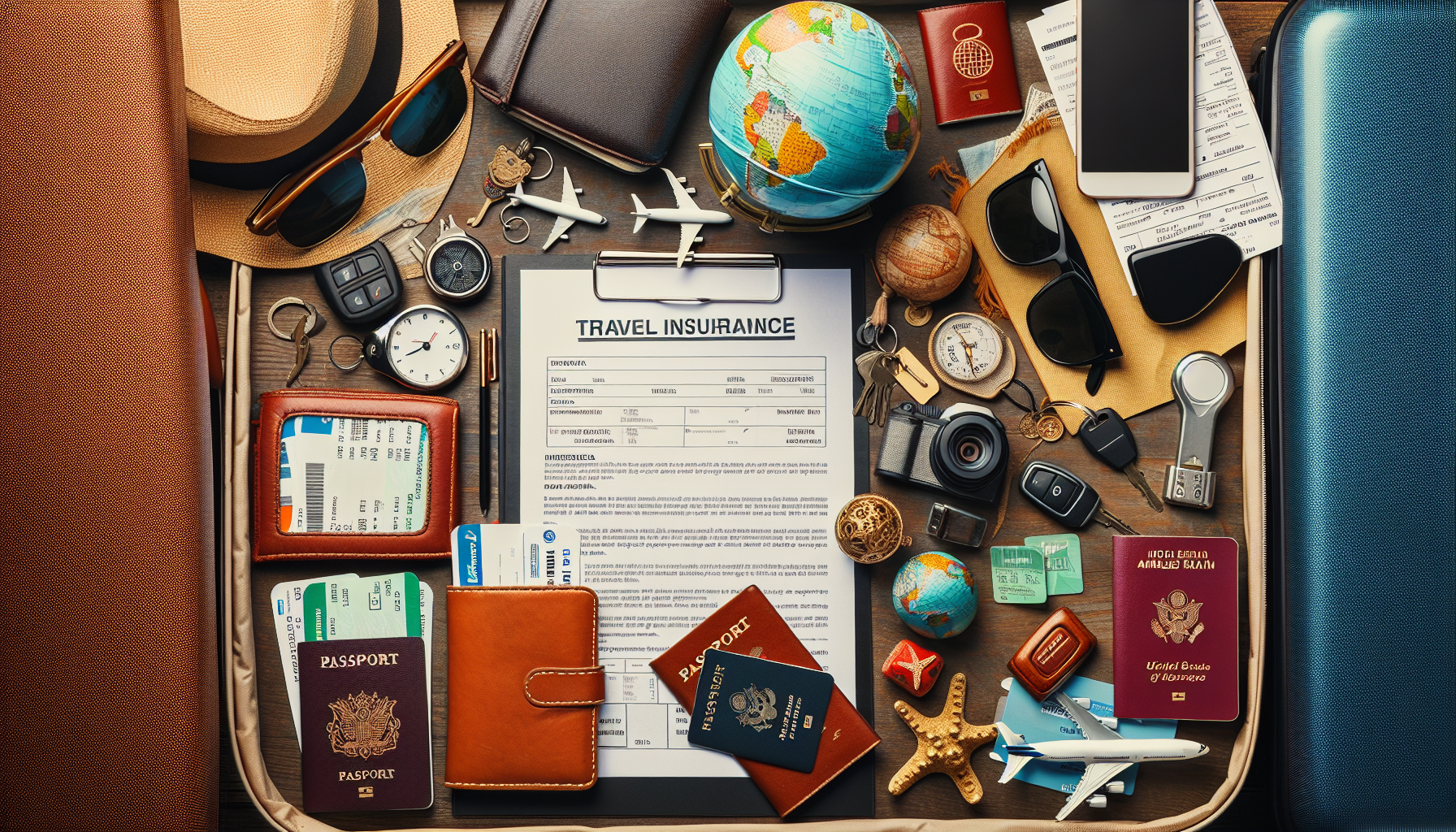
The Importance of Travel Insurance for Every Trip
What is Travel Insurance?
Travel insurance is a crucial financial safety net designed to protect travelers against unforeseen circumstances that can occur before or during a trip. This type of insurance can cover various aspects including trip cancellations, medical emergencies, lost luggage, and even delays in travel, depending on the policy specifics. By investing in travel insurance, travelers can ensure that their experiences remain enjoyable and free from financial stress.
Types of Travel Insurance
Understanding the types of travel insurance available can help travelers select the policy that best suits their needs:
-
Trip Cancellation Insurance: This covers non-refundable expenses if you have to cancel your trip due to unforeseen reasons, such as illness or family emergencies.
-
Medical Insurance: Especially important for travelers going abroad, this type of insurance covers medical expenses incurred because of accidents or illnesses while traveling. Many domestic health plans do not cover healthcare overseas.
-
Emergency Evacuation Insurance: This part of a policy covers transportation to the nearest adequate medical facility if an emergency arises. If you’re in a remote area, this can be crucial.
-
Baggage Insurance: This covers lost, stolen, or damaged luggage and personal items. Travelers often pack valuable items; insurance helps mitigate financial loss related to those items.
-
Accidental Death and Dismemberment Insurance: This offers financial protection in case of serious accidents that can result in death or severe injuries.
Why is Travel Insurance Essential?
-
Financial Protection Against Unpredictable Events: Travel insurance provides coverage for a range of unforeseen circumstances that can lead to loss of money. Without it, travelers may have to absorb costs themselves, which can be substantial.
-
Medical Emergencies Abroad: Medical facilities in different countries can vary greatly regarding standards and costs. In some instances, expenses can be exorbitant. A travel insurance policy with good medical coverage ensures that travelers receive necessary care without financial strain.
-
Coverage for Trip Interruptions: If a traveler needs to cut their trip short due to emergencies—be it family-related or work obligations—trip interruption insurance can help cover unused portions of the travel expense.
-
Peace of Mind: Travel can be stressful, and knowing that you’re protected against a variety of mishaps can ease anxiety and help travelers focus on enjoyment and exploration.
-
Support Services: Many travel insurance providers offer 24/7 customer support. This can be invaluable during emergencies, as they can assist with lodging claims, finding medical assistance, or navigating travel disruptions.
Key Factors to Consider When Buying Travel Insurance
-
Destination: Understanding potential risks in your travel destination is critical. Some countries have higher medical costs or different levels of safety, which can factor into the insurance coverage needed.
-
Trip Duration: Short trips may not require extensive coverage, while long journeys might benefit from comprehensive plans, especially for medical and evacuation considerations.
-
Activities Planned: If your trip includes adventurous activities like scuba diving, skiing, or hiking, ensure your travel insurance covers those activities. Many standard policies do not include coverage for high-risk activities.
-
Pre-existing Conditions: Travelers with existing health issues should look for insurance that covers pre-existing conditions. Some insurers provide exceptions, which can be a defining factor in choosing a plan.
-
Policy Limits: Carefully read the policy’s fine print. Different policies have different caps on coverage amounts. Ensure that the limits are sufficient for potential medical or evacuation costs associated with your travel destination.
-
Exclusions: All travel insurance policies have exclusions—events or circumstances that are not covered. Understanding these exclusions helps in avoiding unexpected surprises during claims.
The Costs of Travel Insurance
The cost of travel insurance can vary based on several factors, including age, the type of coverage selected, the travel destination, and the trip duration. On average, travelers can expect to pay between 4% to 10% of their total trip cost for comprehensive travel insurance. While it’s an additional expense, it can be a wise investment against hefty medical bills or trip cancellations.
Travel Insurance for Families
For families traveling together, group travel insurance can be a cost-effective choice, as it can cover all family members under one policy. Ensuring everyone is covered under a single plan simplifies the claims process and often leads to cost savings. Family plans often provide flexible benefits to account for children’s needs, whether it’s medical coverage or trip interruptions due to childcare obligations.
Digital Nomads and Long-term Travelers
For digital nomads, travel insurance is just as essential as it is for vacationers. Typically, these travelers stay away for extended periods and might visit multiple countries in one trip. Long-term travel may require specialized insurance policies tailored to digital nomads, providing continuous medical coverage and trip interruptions while offering a global safety net for diverse situations.
advertisement

The Role of Technology in Travel Insurance
With the rise of technology, purchasing travel insurance has never been easier. Several platforms allow travelers to compare policies and prices in just a few clicks. Mobile applications can also facilitate claims processing, providing an efficient way to submit documentation and track the status of claims in real time. This integration of technology streamlines the travel insurance experience and encourages more travelers to engage with it.
How to Make a Claim
-
Documentation: Collect all relevant documents like receipts, policy numbers, and description of incidents.
-
Contact Provider: Notify the insurance provider as soon as possible. Many insurers have deadlines for claim filings.
-
Complete Claim Form: Fill out the claim form accurately, ensuring all requested information is provided.
-
Submit Claim: Send your claim form and supporting documents to the insurer via email or through an online portal. Always keep copies.
-
Follow Up: Once submitted, keeping in touch with the insurance provider can help fast-track claims.
Evaluating Insurance Providers
When selecting a travel insurance provider, it’s crucial to evaluate the company’s reputation and service quality. Look for well-reviewed providers with reliable customer service and read testimonials from past customers. Reputable insurance companies are often those who not only provide coverage but also assist travelers effectively when claims arise.
Common Misconceptions About Travel Insurance
-
“My health insurance covers me abroad.”: Many travelers assume their domestic health insurance will cover overseas expenses. This is often not the case, especially in countries with high medical costs.
-
“I can skip insurance because I have no pre-existing conditions.”: Emergencies can happen to anyone – it’s always better to have coverage than risk footing the bill for unexpected incidents.
-
“Travel insurance is a waste of money.”: While it’s an additional expense, travelers often forget that even minor inconveniences like cancellations or lost luggage can result in significant losses without coverage.
Influence of COVID-19 on Travel Insurance
The COVID-19 pandemic has heightened awareness of travel insurance. Many travelers are now prioritizing cancellation for any reason (CFAR) policies, which offer flexibility in case of changing travel plans due to health-related concerns. Coverage for trip interruption or cancellation due to COVID-19 has become a key component of travel insurance discussions, making it critical for travelers to explore these options comprehensively.
Transitioning to a Post-pandemic Travel Landscape
As the travel industry evolves post-pandemic, there is an increasing emphasis on flexible booking and insurance options. Rate comparisons and educational resources about travel insurance continue to mount as more travelers recognize the necessity of safety in uncertain times.
By acknowledging the diverse components and critical importance of travel insurance, travelers can make informed decisions to ensure a protected and enjoyable adventure. Understanding the various types of travel insurance, the reasons to obtain it, factors to consider, and the myriad benefits all play a significant part in enhancing the travel experience while safeguarding financial investment.
advertisement