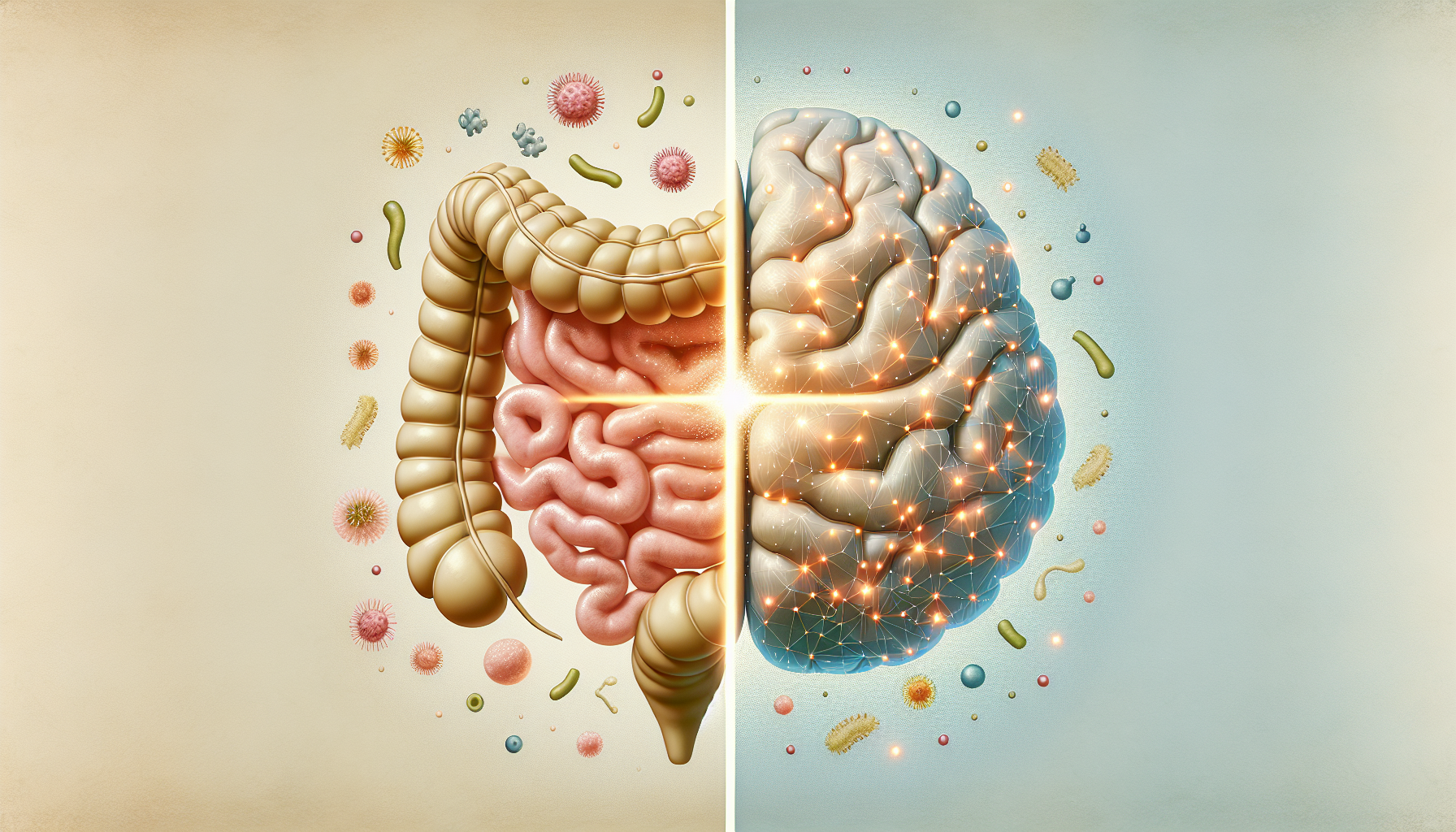
Understanding the Gut-Brain Connection
What is the Gut-Brain Connection?
The gut-brain connection is a complex communication system linking the gastrointestinal tract and the central nervous system. Often referred to as the “second brain,” the gut houses a vast network of neurons and is responsible for producing many neurotransmitters. This intricate relationship implies that gut health can significantly influence mental health, emotions, and behavior.
Anatomy of the Gut-Brain Axis
The gut-brain axis comprises various components that facilitate communication. Understanding these components is critical for grasping how the gut interacts with the brain:
- Central Nervous System (CNS): The brain and spinal cord facilitate the processing of information and responses between different body systems.
- Enteric Nervous System (ENS): Often called the second brain, the ENS consists of over 100 million neurons lining the gastrointestinal tract, independently regulating gut function.
- Vagus Nerve: This is the primary conduit connecting the gut and brain. Signals travel via the vagus nerve, impacting mood and cognitive functions.
- Microbiota: The gut is home to trillions of microorganisms. These gut microbiota influence digestion and produce neurotransmitters affecting brain function.
Mechanisms of Communication
The gut and brain communicate through several mechanisms:
-
Neural Pathways: The vagus nerve and other neural pathways relay signals between the gut and brain.
-
Chemical Signals: The gut produces hormones and neurotransmitters, such as serotonin (approximately 90% of the body’s serotonin is produced in the gut) and gamma-aminobutyric acid (GABA), that affect mood and anxiety.
-
Immune System Interaction: Gut health impacts immune function, and inflammation in the gut can send signals to the brain, influencing mental health conditions.
-
Microbial Metabolites: Short-chain fatty acids (SCFAs) produced by gut bacteria play a crucial role in maintaining brain health. They can pass through the blood-brain barrier and influence brain function directly.
The Role of Gut Microbiota
The composition of gut microbiota—bacteria, fungi, and other microorganisms—significantly impacts the gut-brain connection. Diverse and balanced microbiota are linked to better mental health outcomes, while dysbiosis (an imbalance in gut bacteria) is associated with anxiety, depression, and other mental illnesses.
How Gut Microbiota Affects Mental Health
-
Mood Regulation: Certain bacteria in the gut can produce neurotransmitters that regulate mood. For instance, Lactobacillus and Bifidobacterium species are found to improve symptoms of depression and anxiety.
-
Stress Response: The gut microbiome helps regulate the body’s response to stress. Imbalances can result in increased cortisol levels—often termed the “stress hormone”—which may contribute to anxiety and depression.
-
Cognitive Function: A healthy gut microbiome is essential for cognitive abilities. Research indicates that probiotics can enhance memory and learning in both animal models and humans.
Diet and the Gut-Brain Connection
Diet plays a vital role in maintaining gut health and, hence, a positive gut-brain connection. Certain foods can promote a healthy microbiome, while others can harm it.
advertisement

Foods that Promote Gut Health
-
Fermented Foods: Foods like yogurt, kimchi, sauerkraut, and kefir increase the levels of beneficial bacteria in the gut.
-
Prebiotics: These are fibers (typically found in fruits, vegetables, and whole grains) that nourish gut bacteria. Examples include bananas, asparagus, and garlic.
-
Omega-3 Fatty Acids: Found in fatty fish like salmon and walnuts, omega-3s have shown anti-inflammatory properties and are essential for brain health.
-
Polyphenols: Present in foods like berries, green tea, and dark chocolate, polyphenols can promote beneficial gut bacteria and are associated with improved cognitive function.
Foods to Avoid
-
Processed Foods: High in sugars, unhealthy fats, and additives, processed foods can lead to gut dysbiosis.
-
Artificial Sweeteners: Some studies have shown that artificial sweeteners can disrupt gut microbiota balance.
-
Alcohol: Excessive alcohol consumption can adversely affect gut health and contribute to cognitive decline.
Stress and the Gut-Brain Connection
Stress can negatively impact the gut microbiome, leading to a cycle of poor gut health and worsening mental health. The stress response activates the hypothalamic-pituitary-adrenal (HPA) axis, increasing cortisol production. Elevated cortisol levels can lead to changes in gut permeability (often referred to as “leaky gut”), which can exacerbate inflammation and negatively impact mood.
Psychological Stressors
Conditions such as anxiety and depression can also affect gut health. Symptoms of these disorders often manifest in physical gastrointestinal problems, leading to a cyclical relationship where psychological conditions contribute to gut issues, which in turn aggravate mental health.
The Impact of Mental Health on Gut Health
Not only does the gut influence mental health, but mental health can also affect gut health. Conditions like anxiety and depression can lead to changes in appetite, resulting in poor dietary choices that can destabilize gut microbiota.
Gut Disorders and Mental Health
Several gastrointestinal disorders, such as irritable bowel syndrome (IBS), are closely linked with anxiety and depression. Patients with IBS often report higher levels of psychological distress compared to the general population. Treating IBS effectively may lead to improvements in mental health and quality of life.
Therapeutic Approaches to Enhance the Gut-Brain Connection
Given the bidirectional relationship between gut health and mental health, several therapeutic approaches have emerged to enhance the gut-brain connection:
-
Probiotics: These beneficial bacteria can help restore gut microbiota balance. Various studies have shown promising results in using probiotics to reduce symptoms of anxiety and depression.
-
Psychobiotics: A newer class of probiotics, psychobiotics have been found to influence mood and cognitive function, highlighting the potential for targeted gut microbiota interventions in mental health treatment.
-
Dietary Interventions: Tailoring dietary approaches to enhance gut health can result in significant improvements in mental health, emphasizing the role of nutrition in mental well-being.
-
Mindfulness and Stress Reduction: Techniques such as mindfulness, yoga, and meditation can help reduce stress and promote a healthier gut microbiome.
Future Research Directions
The gut-brain connection is a field ripe for future research. Enhanced understanding of how various microbiota influence brain function could lead to novel treatments for mental health disorders. Investigating personalized nutrition and microbiome therapies could revolutionize how we approach mental health treatment, with increasingly tailored interventions depending on an individual’s unique gut microbiota profile.
Conclusion
The gut-brain connection is an intricate and fascinating domain that has profound implications for mental health. By understanding the mechanisms of communication, recognizing the impact of diet and lifestyle, and exploring therapeutic approaches, individuals can take proactive steps to enhance both gut and mental health. By maintaining a healthy gut microbiome through diet, reducing stress, and possibly utilizing probiotics or other therapies, the potential for improved cognitive function and emotional well-being rises, paving the way for a holistic approach to health.
advertisement