The Rise of Sustainable Designer Clothing
Understanding Sustainable Fashion
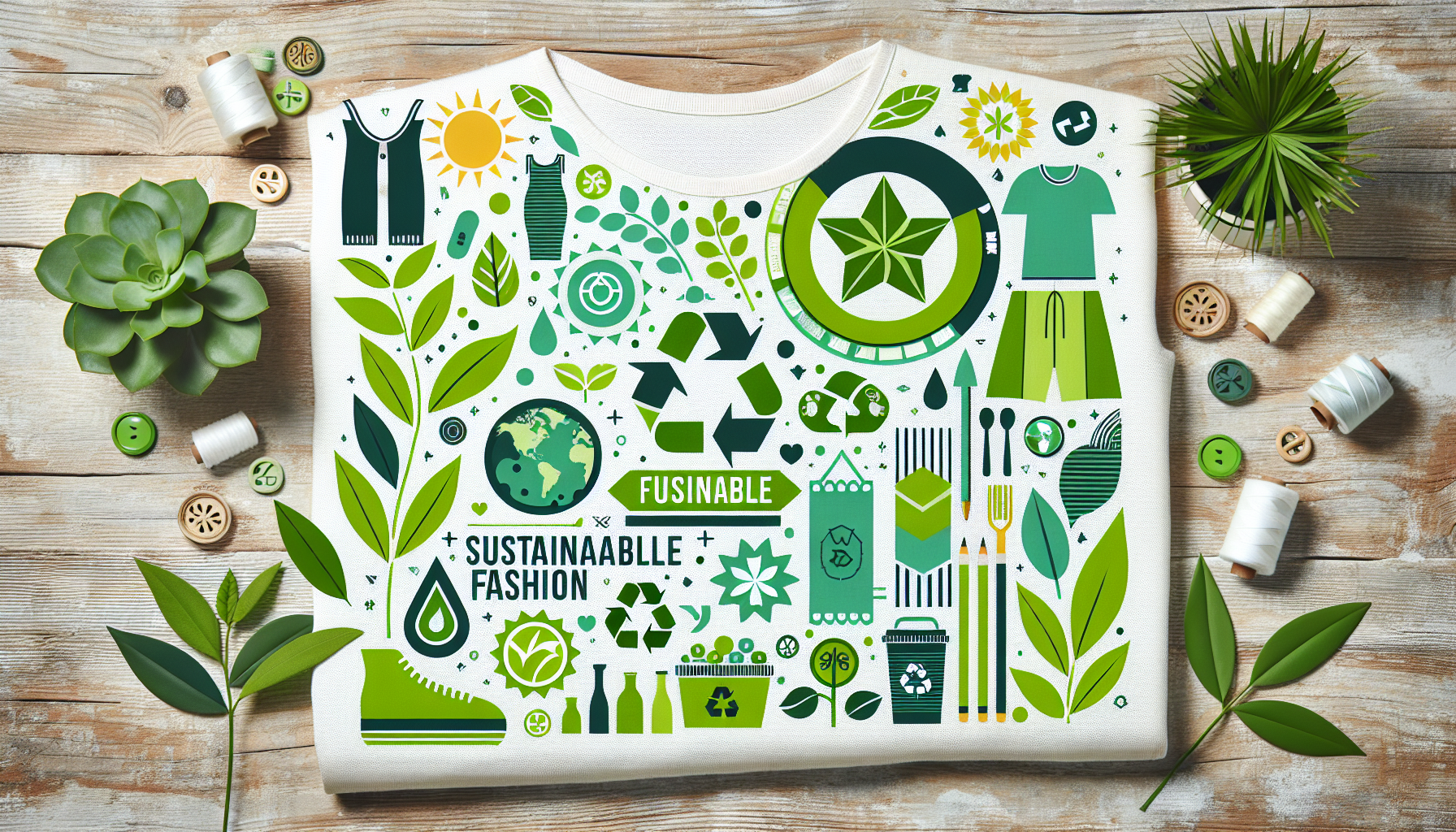
Sustainable fashion is not just a trend; it’s an essential movement rooted in environmental consciousness, ethical labor practices, and a commitment to creating a more responsible fashion industry. Sustainable designer clothing combines high-quality craftsmanship with eco-friendly materials and ethical manufacturing processes. The ethos behind sustainable fashion entails a holistic approach that addresses the end-to-end lifecycle of a garment, minimizing negative impacts on the planet.
Key Drivers of the Trend
-
Consumer Awareness: With the advent of social media and increased access to information, consumers have become significantly more aware of the environmental and social implications of their fashion choices. Reports highlighting the detrimental impacts of fast fashion—such as textile waste, pollution, and labor exploitation—have fostered a desire for more responsible purchases.
-
Climate Change Concerns: As climate change becomes an increasingly pressing global issue, many individuals are seeking ways to reduce their carbon footprints. The fashion industry, notorious for being a significant contributor to carbon emissions, has faced scrutiny. Consumers have started to embrace sustainable brands that prioritize eco-friendly practices.
-
Health and Wellness Trends: The rise of health and wellness culture has influenced shopping habits, with many consumers concerned about the materials used in their clothing. Sustainable designer clothing often employs organic, non-toxic materials that are kinder to both the environment and personal health.
-
Support for Local Economies: Sustainable clothing brands often focus on local production, which supports local artisans and economies. As consumers become more interested in unique, handcrafted items rather than mass-produced garments, this localized approach becomes increasingly appealing.
Elements of Sustainable Designer Clothing
-
Ethical Manufacturing: Brands that prioritize ethical manufacturing ensure fair wages and safe working environments for their workers. Transparent supply chains help customers trace the origins of their clothing, building trust and accountability.
-
Eco-Friendly Materials: Sustainable designer brands often use organic cotton, Tencel, hemp, and recycled fabrics to reduce the reliance on virgin materials. These materials consume less water, reduce chemical use, and generate less waste.
-
Eco-Conscious Practices: From zero-waste design strategies to upcycling old garments, many sustainable designers are committed to minimizing waste throughout the production process. Techniques like digital printing and dyeing use significantly less water and chemicals than traditional methods.
-
Quality Over Quantity: Sustainable fashion leans heavily towards creating timeless, high-quality pieces designed to last a long time. This contrasts sharply with fast fashion items that often wear out quickly and end up in landfills.
-
Circular Fashion Principles: Many sustainable brands embrace a circular fashion model, encouraging customers to recycle or return garments at the end of their life cycles. This can involve taking back old clothes for refurbishment or recycling, thus closing the loop in the fashion lifecycle.
Popular Sustainable Designer Brands
-
Reformation: Known for its trendy clothing, Reformation stands out for its transparency about environmental impacts and supply chain ethics. The brand provides detailed information on the carbon footprint and water usage of each item, allowing consumers to make informed choices.
-
Eileen Fisher: This brand has long been a proponent of ethical practices, utilizing organic materials and promoting fair labor. Eileen Fisher’s Renew program has made waves by offering a platform for recycling old garments into new designs, focusing on circularity.
-
Patagonia: While primarily known for outdoor apparel, Patagonia has been a leader in sustainable practices, including the use of recycled materials, advocating for environmental causes, and operating on a “buy less” ethos to reduce consumption.
-
Mara Hoffman: This designer integrates sustainability into her aesthetic by focusing on ethical practices and using organic and recycled materials. Her commitment to a more responsible approach has redefined luxury in the fashion sector.
Challenges Facing Sustainable Fashion
-
Higher Costs: Sustainable designer clothing often comes with a higher price tag due to the quality of materials and ethical practices involved. This can deter price-sensitive consumers, leading to a perception that sustainable options are less accessible.
-
Greenwashing: As more brands attempt to align with the sustainable trend, the risk of greenwashing has increased. Consumers may find it challenging to differentiate between genuine sustainable brands and those that merely market themselves as such without a true commitment to sustainability.
-
Consumer Habits: While consumer awareness is rising, changing established purchasing habits remains a challenge. Many shoppers are conditioned to prioritize trendiness and affordability over sustainability, requiring consistent education and advocacy.
-
Scalability: Sustainable design practices – such as ethical labor and eco-friendly materials – can be difficult to scale effectively. Large fashion houses may struggle to integrate these practices into their existing systems while maintaining profitability.
The Future of Sustainable Designer Clothing
The rise of sustainable designer clothing signifies a monumental shift in the fashion industry—a movement towards more conscious consumption. As consumers continue to prioritize sustainability, we can expect several trends to emerge:
-
Technological Innovations: Advancements in technology, such as 3D printing and textile recycling, are expected to revolutionize sustainable fashion. These innovations can streamline production and reduce waste, making eco-friendly practices more accessible to larger brands.
-
Collaboration and Transparency: As consumer demand for transparency grows, brands will likely collaborate with organizations and initiatives that promote sustainable practices. This could include sharing supply chain information openly and partnering with other businesses to develop sustainable solutions.
-
Education and Advocacy: As awareness of sustainable practices increases, more educational initiatives may emerge, fostering a culture of conscious consumerism. Brands and influencers can play critical roles in championing sustainable choices and guiding consumers towards more responsible purchases.
-
Customization and Personalization: With technology enabling personalization, consumers may increasingly seek custom-made sustainable pieces that reflect their individual styles. This trend supports the idea of quality over quantity, emphasizing lasting designs.
-
Legislative Support: As sustainability takes center stage, there may be more government regulations and support aimed at promoting ethical practices in fashion. This could lead to incentives for brands that adhere to sustainable guidelines and punishments for those that engage in unsustainable practices.
-
Inclusivity of Styles: Sustainable design houses are likely to proliferate in recognizing diverse needs and representation in fashion. Customization and size inclusivity will allow a wider range of consumers to access sustainable options, further integrating eco-friendly practices into the mainstream.
Conclusion
The rise of sustainable designer clothing represents an essential transformation in how consumers approach fashion. As more individuals recognize the power of their purchasing decisions, the momentum towards a more responsible fashion industry will continue to grow. Sustainable fashion is no longer just a niche; it is fast becoming the new paradigm within the fashion landscape.
By embracing sustainable principles, consumers, brands, and the industry as a whole can forge a path toward a brighter, more responsible future—one where style and ethics coexist harmoniously. The evolution of sustainable designer clothing signals an era where consumers can elevate their wardrobe choices while making a positive impact on the world.
advertisement